


 About Urh Social
 Terms of Service
 Datenschutzbestimmungen
 Contact
Customs Brokerage Services: Simplifying International Trade and Customs Clearance
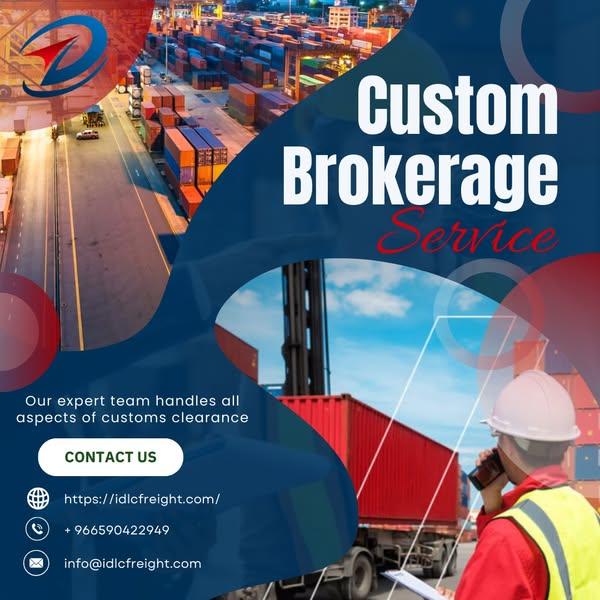
International trade involves more than transporting goods from one country to another. Every shipment must comply with customs regulations, documentation requirements, import and export procedures, and applicable duties and taxes. For businesses managing regular international shipments, navigating these requirements can be time-consuming and complicated. Customs Brokerage Services help importers and exporters manage customs procedures efficiently while supporting compliance throughout the shipping process.
From preparing documentation to communicating with customs authorities, professional customs brokers can help businesses reduce administrative challenges and keep cargo moving through ports, airports, and border crossings.
What Are Customs Brokerage Services?
Customs brokerage services assist businesses with the customs clearance process for imported and exported goods. A customs broker acts as a professional intermediary between the importer or exporter and customs authorities.
The broker may assist with preparing and submitting customs declarations, classifying products, calculating applicable duties and taxes, reviewing shipping documents, and coordinating with customs officials.
The exact requirements vary depending on the country, type of cargo, origin, destination, and applicable trade regulations. Professional guidance can help businesses understand these requirements before their shipments arrive.
Why Customs Clearance Matters
Customs clearance is a critical part of international logistics. Goods cannot always be released simply because they have reached the destination country. Customs authorities may require detailed information about the shipment, including the nature, quantity, value, origin, and intended use of the goods.
Errors in documentation or product classification can lead to delays, additional costs, inspections, or other compliance issues.
A structured customs process helps businesses prepare the necessary information and respond to customs requirements more effectively.
Product Classification and HS Codes
One important part of customs processing is determining the appropriate tariff classification for imported or exported products. Goods are generally classified using internationally recognized Harmonized System (HS) codes.
The classification of a product can affect applicable duties, taxes, restrictions, and documentation requirements. Incorrect classification may result in incorrect duty calculations or customs complications.
Customs professionals can review product information and help businesses identify the relevant classification based on applicable customs rules.
Customs Documentation
Accurate documentation is essential for smooth customs clearance. Depending on the shipment, documents may include:
- Commercial invoices
- Packing lists
- Bills of lading
- Air waybills
- Certificates of origin
- Import permits
- Export documentation
- Product certificates
- Customs declarations
The exact documentation depends on the goods and the countries involved. Businesses should ensure that shipment information is consistent across all relevant documents.
Duties, Taxes, and Customs Valuation
Imported goods may be subject to customs duties, value-added taxes, or other applicable charges. The amount payable can depend on factors such as product classification, declared value, country of origin, and applicable trade agreements.
Customs brokerage professionals can help businesses understand the information used to calculate these charges and prepare the necessary declarations.
Accurate valuation is particularly important because discrepancies between declared information and supporting documentation may result in questions from customs authorities.
Import and Export Compliance
Compliance is an important consideration for businesses involved in international trade. Importers and exporters need to understand the rules that apply to their products and trading destinations.
Certain goods may be subject to additional requirements, including licenses, permits, safety standards, labeling rules, or other regulatory controls.
A customs broker can help identify documentation and procedural requirements, allowing businesses to address potential issues before cargo reaches the border.
How Customs Brokerage Supports Supply Chains
Customs clearance is closely connected to transportation and supply chain management. A shipment delayed at customs can affect warehouse schedules, production operations, customer deliveries, and inventory planning.
Professional customs coordination helps businesses integrate clearance activities with their broader logistics plans.
For companies handling frequent imports or exports, consistent customs procedures can also make shipment management more organized and predictable.
The Customs Clearance Process
The customs process generally begins when shipment information and supporting documents are collected. The goods are then classified and the relevant customs declaration is prepared.
Once the declaration is submitted, customs authorities may review the information and determine whether additional documentation, inspection, or clarification is required.
After applicable duties and taxes are assessed and any necessary requirements are completed, customs may release the shipment for delivery.
The exact process varies between jurisdictions and shipment types, but accurate information remains essential throughout each stage.
Benefits of Professional Customs Brokerage
Using professional customs support can offer several practical benefits to businesses engaged in international trade.
Better Documentation Management
Customs brokers can help organize and review shipment documentation, reducing the likelihood of missing information or inconsistent details.
Support With Compliance
International trade regulations can change and may vary between jurisdictions. Professional customs support can help businesses navigate applicable procedures and requirements.
Reduced Administrative Work
Handling customs declarations and related communication internally can consume valuable time. Outsourcing these tasks allows businesses to focus more on their core operations.
Improved Shipment Coordination
Customs clearance is closely connected to freight transportation. Effective coordination can help businesses manage the transition from international transport to final delivery.
Customs Brokerage for Different Industries
Almost every industry involved in international trade can benefit from effective customs coordination. Manufacturers import raw materials, machinery, and components, while retailers and wholesalers may import finished consumer products.
The automotive, electronics, pharmaceutical, construction, food, industrial, and technology sectors may each have specific customs and regulatory considerations.
For specialized products, businesses should work with professionals who understand the relevant documentation and regulatory environment.
Choosing a Customs Brokerage Provider
Selecting the right customs brokerage provider is an important business decision. Companies should consider the provider's experience, knowledge of applicable customs procedures, communication practices, technology capabilities, and ability to support the locations where shipments are being handled.
It is also useful to determine whether the provider can coordinate with freight forwarders, shipping lines, transport companies, warehouses, and other logistics partners.
Clear communication is particularly important when shipments are time-sensitive or involve complex documentation.
Technology and Modern Customs Management
Technology has become an increasingly important part of modern customs operations. Digital documentation, electronic declarations, shipment tracking, and automated communication can improve visibility and reduce manual administration.
Businesses can benefit from having access to timely shipment information, particularly when managing multiple international consignments.
Technology does not replace the need for customs knowledge, but it can make the overall process more efficient and transparent.
Final Thoughts
International shipping requires careful attention to customs procedures, documentation, classification, duties, and regulatory requirements. Even a well-planned freight shipment can face delays if customs information is incomplete or inaccurate.
Professional Customs Brokerage Services provide businesses with practical support throughout the customs clearance process. By combining documentation expertise, regulatory knowledge, shipment coordination, and compliance support, customs brokers can help companies manage international trade more effectively.
For businesses importing or exporting regularly, having a dependable customs strategy can contribute to smoother logistics operations and better control over international supply chains.

 English
 Arabic
 French
 Spanish
 Portuguese
 Turkish
 Dutch
Dutch
 Italiano
 Russian
 Romaian
 Portuguese (Brazil)
 Greek
Greek
