


 About Urh Social
 Terms of Service
 Πολιτική Ιδιωτικότητας
 Contact
How AWS DevOps Consulting Improves Cloud Delivery for Modern Teams
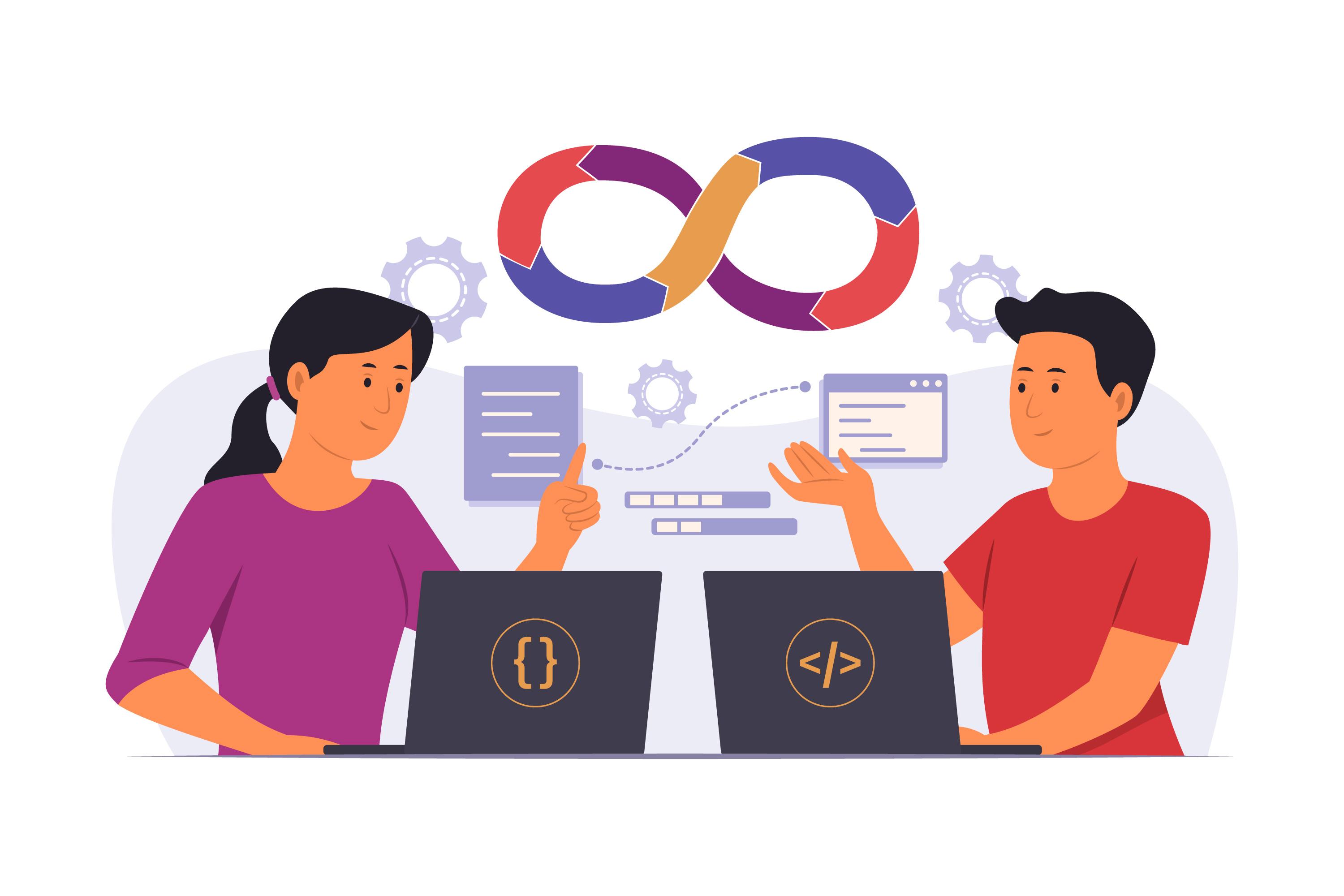
Cloud technology has changed the way businesses build, launch, and manage digital products. Companies can now deploy applications faster, scale resources when demand changes, and access powerful infrastructure without maintaining every physical server themselves. However, moving workloads to the cloud does not automatically make software delivery faster or more efficient.
Teams still need reliable processes for development, testing, deployment, security, monitoring, and infrastructure management. Without a clear approach, cloud environments can become difficult to manage, expensive to operate, and challenging to scale.
AWS DevOps consulting helps businesses bring development and operations closer together while making better use of Amazon Web Services. With the right strategy, organizations can improve deployment speed, automate repetitive tasks, strengthen security, and create a more dependable cloud environment.
Understanding Modern Cloud Delivery
Cloud delivery involves much more than uploading an application to a cloud platform. It covers the complete journey from writing code to making software available to users.
Developers create new features, testing teams check quality, operations teams manage infrastructure, and security teams review potential risks. When these activities happen separately, delays can appear between each stage.
A modern delivery approach connects these processes through automation, shared responsibility, and continuous feedback.
The Importance of Faster Releases
Customers expect businesses to improve their digital products regularly. New features, security updates, performance improvements, and bug fixes may need to reach users quickly.
Manual processes can slow down these releases. A team might have to configure environments, run tests, approve changes, and deploy applications through several separate steps.
Automated workflows can reduce unnecessary manual work and create a more consistent path from development to production.
Reducing Delivery Friction
When development and operations teams use different processes, misunderstandings can affect delivery.
For example, developers may create an application that works correctly in their development environment but requires different configurations in production. A collaborative DevOps approach helps teams consider infrastructure, deployment, testing, and security earlier in the development process.
This can reduce surprises and make releases easier to manage.
How AWS Supports DevOps Practices
Amazon Web Services provides a broad collection of cloud services that organizations can use to build and manage applications. These services can support computing, storage, databases, networking, monitoring, security, containers, and automated delivery.
AWS DevOps consulting can help organizations select and connect the services that fit their specific requirements rather than adopting cloud tools without a clear strategy.
Building Automated Pipelines
Continuous integration and continuous delivery pipelines can automate several stages of software delivery.
When developers submit code, automated systems can build the application, run tests, check quality, and prepare it for deployment. Depending on the organization's requirements, deployment can also be automated.
This creates a repeatable process that reduces manual intervention and makes releases more predictable.
Connecting Development and Operations
A successful DevOps environment encourages teams to work toward shared goals.
Instead of viewing development and operations as separate stages, organizations can create processes where both groups contribute to application reliability and delivery.
This collaboration can help identify infrastructure requirements earlier and make troubleshooting more efficient.
Improving Deployment Speed
One of the biggest benefits of a well-designed DevOps environment is faster deployment.
Traditional deployment processes may require several manual activities. Each additional step can introduce delays or create opportunities for errors.
Automation can transform these activities into repeatable workflows.
Automating Repetitive Tasks
Teams often spend time performing tasks such as creating environments, installing dependencies, running tests, configuring resources, and deploying updates.
Automation allows suitable tasks to be handled by predefined workflows. This gives technical teams more time to focus on application improvements and higher-value projects.
Creating Consistent Environments
Environment differences can cause deployment problems. An application might work properly during development but behave differently after being moved to production.
Infrastructure as code can help address this challenge by allowing infrastructure configurations to be defined in files and managed through controlled processes.
Teams can use consistent configurations across development, testing, and production environments.
Strengthening Application Reliability
Speed is valuable, but fast delivery should not come at the expense of reliability.
Businesses need applications that remain available and perform consistently when users depend on them. Cloud infrastructure provides several options for improving availability, but these capabilities need to be planned and configured correctly.
Using Scalable Infrastructure
Cloud resources can be adjusted according to workload requirements. Organizations can design systems that increase capacity when demand rises and reduce resources when demand falls.
This flexibility can be particularly useful for applications that experience seasonal traffic or unpredictable usage.
Designing for Resilience
Resilient systems are designed to continue operating when individual components experience problems.
Businesses can consider redundancy, health checks, automated recovery, backup strategies, and appropriate deployment architectures when designing their cloud environments.
A resilient architecture can reduce the impact of unexpected infrastructure failures.
Making Security Part of Delivery
Security should not be added only after an application has been developed. Modern DevOps practices increasingly integrate security throughout the software delivery lifecycle.
AWS DevOps consulting can help businesses incorporate security controls into development and deployment workflows.
Automated Security Checks
Automated tools can examine code, configurations, dependencies, and infrastructure for potential security concerns.
Adding these checks to delivery pipelines can help teams identify certain issues earlier instead of waiting until an application is ready for production.
Managing Access Carefully
Cloud environments can contain many services and resources. Giving every user broad access can increase security risks.
Organizations can establish permission policies based on responsibilities and apply the principle of least privilege where appropriate.
Regular access reviews can also help ensure that permissions remain suitable as teams and projects change.
Improving Cloud Cost Management
Cloud flexibility can be beneficial, but poorly managed resources can create unnecessary expenses.
Unused instances, excessive storage, inefficient architectures, and over-provisioned resources may increase monthly cloud costs.
A DevOps strategy should therefore consider financial efficiency alongside technical performance.
Monitoring Resource Usage
Cloud monitoring tools can provide visibility into resource consumption. Teams can review which services are being used, how much capacity applications require, and whether resources remain active when they are no longer necessary.
This information can support better infrastructure decisions.
Matching Resources to Demand
Businesses do not always need maximum capacity. A better approach may be to match resources with actual application requirements.
Automation can help adjust infrastructure when workloads change, while monitoring can provide information needed to identify unusual consumption patterns.
Supporting Infrastructure as Code
Infrastructure as code is an important practice for organizations that want repeatable cloud environments.
Instead of manually configuring every resource, teams can define infrastructure through code and manage those configurations using version control.
Making Infrastructure Repeatable
When infrastructure configurations are stored as code, teams can reproduce environments more consistently.
This can simplify development, testing, disaster recovery, and the creation of additional environments.
Tracking Infrastructure Changes
Version-controlled infrastructure provides a record of changes. Teams can review what was modified, understand when changes occurred, and potentially revert configurations when necessary.
This creates greater visibility into infrastructure management.
Enhancing Monitoring and Observability
A cloud environment can contain many interconnected components. Without proper monitoring, it may be difficult to understand why an application is slowing down or becoming unavailable.
Observability provides teams with information about application and infrastructure behavior.
Monitoring Application Performance
Organizations can monitor response times, error rates, resource usage, and other performance indicators.
These measurements can help teams identify unusual behavior and investigate potential problems.
Creating Useful Alerts
Not every event requires immediate attention. Too many unnecessary alerts can overwhelm technical teams.
Businesses can define meaningful alert conditions so important issues receive attention without creating excessive noise.
Well-designed alerts can help teams respond to problems more quickly.
Supporting Continuous Integration and Delivery
Continuous integration encourages developers to integrate code changes regularly. Automated tests can then evaluate those changes before they move further through the delivery process.
Continuous delivery extends this approach by preparing software for reliable release.
Together, these practices can create a smoother development workflow.
Testing Earlier
Finding a problem shortly after code is written is generally easier than discovering it after deployment.
Automated testing can evaluate code throughout the delivery pipeline. Depending on the application, teams may use unit tests, integration tests, security checks, and other forms of automated validation.
Reducing Release Risk
Frequent and controlled releases can reduce the size of individual changes.
Instead of combining many changes into one large release, teams can deliver smaller updates through an established process. Smaller changes may be easier to test, monitor, and troubleshoot.
Helping Teams Modernize Existing Systems
Not every organization starts with a modern cloud architecture. Some businesses have applications built years ago that still support important operations.
Moving these systems toward cloud-based delivery requires careful planning.
Assessing Existing Applications
Before modernization begins, teams should understand how an application works, which systems it depends on, and where potential limitations exist.
An assessment can help determine whether an application should be migrated, redesigned, containerized, or gradually modernized.
Taking an Incremental Approach
Large technology changes can introduce significant risk when attempted all at once.
An incremental approach allows organizations to modernize selected components while continuing to operate existing systems. Teams can learn from each stage before expanding the transformation.
Choosing the Right DevOps Strategy
Every organization has different requirements. A small application may need a simple deployment pipeline, while a large enterprise environment may require advanced automation, security controls, monitoring, and multi-account cloud architecture.
AWS DevOps consulting can help businesses develop an approach based on their applications, teams, security requirements, workloads, and growth plans.
Aligning Technology With Business Goals
Technology should support business objectives rather than exist separately from them.
For example, an e-commerce company may prioritize application availability and rapid releases. A financial organization may place greater emphasis on security, compliance, and controlled deployments.
Understanding these priorities helps technical teams design more relevant cloud processes.
Building for Future Growth
A cloud environment should not only meet current requirements. It should also be capable of supporting future changes.
Businesses may add applications, expand into new markets, increase customer traffic, or introduce new digital services.
A flexible DevOps foundation can make these changes easier to manage.
The Role of Experienced Guidance
Cloud environments can become complex as organizations adopt more services and automation.
Experienced guidance can help businesses avoid unnecessary complexity and focus on improvements that provide practical value. A structured assessment can identify current limitations and establish priorities for modernization.
Tambena Consulting helps businesses explore databases, DevOps, cloud, and technology solutions that align with modern infrastructure requirements.
Practical Steps Toward Better Cloud Delivery
Businesses can begin improving their cloud delivery process without changing everything at once.
First, review the current development and deployment workflow. Identify manual steps, recurring delays, common errors, and areas where teams lack visibility.
Next, prioritize automation opportunities. Repetitive tasks that follow predictable rules are often good candidates for automation.
Organizations can then introduce automated testing, infrastructure as code, monitoring, security checks, and controlled deployment processes according to their requirements.
Measure Progress
Improvement should be measurable.
Teams can track deployment frequency, release duration, failure rates, recovery times, cloud spending, application performance, and other relevant indicators.
These measurements can show whether new processes are improving delivery and where additional work may be required.
Conclusion
Cloud technology gives businesses powerful opportunities to build and deliver applications faster, but technology alone does not guarantee better results. Organizations need effective processes that connect development, operations, security, infrastructure, and monitoring.
AWS DevOps consulting can help businesses create these processes while making better use of cloud capabilities. From automated pipelines and infrastructure as code to security checks, monitoring, scalability, and cost management, a thoughtful DevOps strategy can improve the complete software delivery lifecycle.
The most successful approach is not simply adopting more cloud services. It is building a practical environment where teams can release software efficiently, maintain reliable applications, respond to problems quickly, and prepare for future growth.
Businesses that invest in automation and collaboration can create a stronger foundation for modern cloud delivery. With clear goals, measurable processes, and continuous improvement, cloud infrastructure can become a valuable part of long-term digital growth.
Contact our team to discuss your AWS, DevOps, cloud automation, infrastructure, or application delivery requirements.

 English
 Arabic
 French
 Spanish
 Portuguese
 Deutsch
 Turkish
 Dutch
Dutch
 Italiano
 Russian
 Romaian
 Portuguese (Brazil)
