


 About Urh Social
 Terms of Service
 Privacy Policy
 Contact
Choosing Suitable Grafts for Eyelash Hair Transplant in Dubai
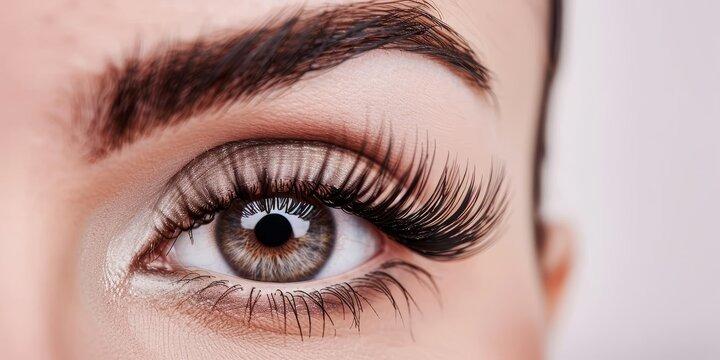
Eyelashes play an important role in framing the eyes, protecting the ocular surface, and contributing to facial balance. When lashes become sparse because of genetics, trauma, repeated cosmetic procedures, medical conditions, or other causes, an eyelash transplant may be considered to create longer-lasting coverage. However, achieving a natural appearance depends on much more than simply transferring hair follicles from one area to another. Graft selection is a critical part of the planning process.
During Eyelash Hair Transplant in Dubai, a specialist evaluates the donor area, hair characteristics, eyelid anatomy, and desired lash appearance before determining which follicles may be suitable. The objective is generally to select healthy follicles that can provide an appropriate texture and growth pattern while maintaining a natural relationship with the patient's existing eyelashes.
Because eyelashes are finer and more delicate than many scalp hairs, graft selection requires careful judgment. Hair calibre, follicle characteristics, growth direction, donor availability, and the number of grafts required can all influence the final appearance. A qualified specialist should also consider whether transplantation is appropriate in the first place, particularly when underlying eyelid or hair-loss conditions have not been investigated.
Why Graft Selection Matters in Eyelash Restoration
The characteristics of the transplanted follicle can influence how the new lashes eventually look and behave. Scalp follicles are commonly considered for eyelash restoration because they can provide a reliable source of hair, but scalp hair may continue growing throughout its life.
This means transplanted lashes may require regular trimming to maintain a suitable length. The selected follicles also need to be placed at an appropriate angle so that the emerging hairs follow the natural direction of the surrounding lashes.
Using too many grafts may produce an overly dense appearance, while insufficient coverage may leave visible gaps. A thoughtful treatment plan therefore focuses on proportion, spacing, direction, and compatibility with the patient's existing lashes rather than simply maximizing the number of follicles transplanted.
What Makes a Graft Suitable for Eyelash Transplantation?
Several characteristics can be considered when evaluating potential donor follicles. Hair calibre is particularly important because very coarse hair may appear less natural when used around the delicate eyelid margin. A specialist may therefore assess available donor hairs for their thickness and texture.
The follicle's health is another consideration. Healthy grafts are generally preferred because successful transplantation depends on the follicular unit remaining viable during extraction, handling, and placement.
The donor area's density also matters. Removing too many follicles from a limited donor region can create unnecessary thinning. A responsible treatment plan should therefore balance the patient's eyelash requirements with preservation of the donor area.
Matching Graft Characteristics With Natural Lashes
Natural eyelashes vary in length, thickness, curvature, and distribution. They also do not grow in a perfectly uniform pattern. A skilled specialist considers these characteristics when designing the transplant.
For example, follicles intended for the central portion of the lash line may need to complement the existing hairs without creating an abrupt difference in thickness. The outer portion may have a different direction and length pattern than the inner region.
During Eyelash Hair Transplant in Dubai, these anatomical details should be discussed during consultation rather than relying on a standard graft formula for every patient. Individualized planning can help create a more harmonious transition between transplanted and existing lashes.
How Donor Hair Is Evaluated
The scalp is often assessed as a potential donor area, particularly where suitable follicles are available. A specialist may examine density, hair calibre, growth characteristics, and the overall quality of the donor region.
The assessment should also consider whether the donor hair is likely to remain available if future procedures become necessary. This is especially relevant for individuals experiencing progressive hair loss elsewhere on the scalp.
Medical history is another important part of the evaluation. Previous eyelid surgery, scarring, inflammatory conditions, trauma, or other ocular issues may affect treatment planning. Any unexplained loss of eyelashes should also be assessed before transplantation.
Graft Preparation and Handling
Once suitable follicles have been identified, their handling becomes an important part of the procedure. Eyelash follicles are particularly delicate because placement takes place in a small and anatomically sensitive area.
Careful extraction and preparation can help reduce unnecessary trauma to the follicular units. The number of grafts selected should correspond with the treatment plan rather than being based solely on achieving maximum density.
Special attention is also required during implantation because the follicles must be positioned according to the intended direction and angle. Poor orientation can make otherwise healthy transplanted hairs appear unnatural.
Why Direction and Angle Are Essential
The eyelid margin has a distinctive three-dimensional structure, and eyelashes normally emerge in a controlled direction. If transplanted follicles are positioned incorrectly, the resulting hairs may project away from the lash line or cross neighboring lashes.
For this reason, graft selection and placement should be considered together. A suitable follicle still needs accurate positioning to contribute to a natural-looking result.
The specialist may map the desired lash line before implantation, taking into account the patient's existing hair distribution. Conservative planning is often preferable to creating an excessively uniform appearance that does not resemble natural eyelashes.
Choosing a Clinic for Eyelash Hair Transplant in Dubai
Selecting a qualified medical provider involves more than comparing procedure names. Patients should investigate the practitioner's experience with hair restoration and, where applicable, procedures involving the delicate eyelid region.
The consultation should include an explanation of donor selection, expected graft numbers, implantation technique, potential risks, aftercare, and realistic outcomes. Patients should also feel comfortable asking who will perform each stage of the procedure.
Technology can support precision, but equipment alone does not determine treatment quality. Clinical judgment, anatomical knowledge, graft handling, sterile technique, and appropriate patient selection remain essential considerations.
It is also useful to ask whether the clinic evaluates the cause of eyelash loss before recommending transplantation. A thorough assessment may identify an underlying issue that should be addressed first.
Enfield Royal Clinic
Enfield Royal Clinic can be considered by patients researching hair restoration options in Dubai and seeking a structured consultation before undergoing an eyelash procedure. The assessment should focus on donor hair quality, the condition of the existing lashes, and the patient's desired level of fullness.
For Eyelash Hair Transplant in Dubai, discussing graft suitability during consultation is particularly important because eyelashes require precise placement and ongoing maintenance. Patients should ask about the proposed donor area, follicle characteristics, implantation approach, expected growth cycle, and postoperative care. A personalized plan can help determine whether transplantation is appropriate and what type of coverage may be achievable.
Assessing Technology and Surgical Technique
Modern hair restoration techniques can assist with precise follicle extraction and implantation, but technology should be viewed as part of a broader clinical process. The practitioner should be able to explain why a particular extraction and implantation approach is suitable for the individual patient.
The treatment environment should also follow appropriate infection-control and surgical safety practices. Because the procedure takes place close to the eyes, attention to sterile technique and anatomical safety is particularly important.
Patients should not select a provider solely because of a particular device or technique name. Understanding the clinician's experience and the reasoning behind the proposed treatment is more informative.
Patient Experience and Consultation
A detailed consultation gives patients an opportunity to discuss their expectations before treatment. It should cover the number of grafts that may be appropriate, the likely growth pattern, maintenance requirements, possible complications, and recovery.
Patients should also understand that transplanted scalp hairs may behave differently from native eyelashes. They can continue growing and may therefore require periodic trimming. The final appearance develops gradually rather than immediately after implantation.
Clear communication about these factors helps prevent unrealistic expectations and allows patients to make an informed decision.
Expected Results and Long-Term Considerations
Hair transplantation does not produce an instant final result. Newly transplanted follicles typically go through a healing and growth cycle before their long-term contribution can be assessed. The timing and extent of growth vary between individuals.
The transplanted hairs may initially behave differently from natural eyelashes because their biological characteristics are determined by their donor origin. Regular grooming may therefore remain part of long-term maintenance.
Results can also be influenced by donor quality, follicle survival, placement accuracy, existing lash density, and individual healing. No responsible provider should guarantee a specific cosmetic outcome.
Frequently Asked Questions
How are grafts selected for an eyelash transplant?
Grafts may be assessed according to donor hair quality, calibre, health, density, and suitability for the delicate eyelash region. The specialist also considers the patient's existing lashes and the desired coverage.
Can any scalp hair be used for eyelash transplantation?
Not necessarily. Donor hairs differ in thickness and growth characteristics. A specialist should evaluate whether the available donor follicles are appropriate and explain their expected maintenance requirements.
How many grafts are needed for eyelash restoration?
There is no universal number. Requirements depend on the extent of eyelash thinning, the existing lash pattern, the patient's desired appearance, and the characteristics of the donor hair.
Will transplanted eyelashes grow like natural eyelashes?
Transplanted hairs retain characteristics related to their donor site. When scalp follicles are used, the hairs may continue growing and can require regular trimming to maintain an appropriate eyelash length.
Is eyelash transplantation suitable for everyone?
No. A consultation is necessary to determine suitability. The cause of eyelash loss, eyelid condition, donor availability, medical history, expectations, and potential risks should all be considered before treatment.
Conclusion
Choosing appropriate grafts is one of the most important elements of successful eyelash restoration. Donor hair quality, follicle calibre, density, growth characteristics, and compatibility with the existing lashes all need to be assessed before transplantation. Precise implantation is equally important because the direction and angle of each follicle influence the final appearance.
Anyone considering Eyelash Hair Transplant should therefore focus on individualized assessment, qualified medical expertise, appropriate safety standards, realistic expectations, and a clear understanding of long-term maintenance. A detailed consultation can help determine whether the available donor follicles are suitable and whether transplantation is an appropriate option for achieving the desired lash appearance.

 Arabic
 French
 Spanish
 Portuguese
 Deutsch
 Turkish
 Dutch
Dutch
 Italiano
 Russian
 Romaian
 Portuguese (Brazil)
 Greek
Greek
