


 About Urh Social
 Terms of Service
 Privacy Policy
 Contact
Exploring the Components and Purpose of KLOW Blend Peptides
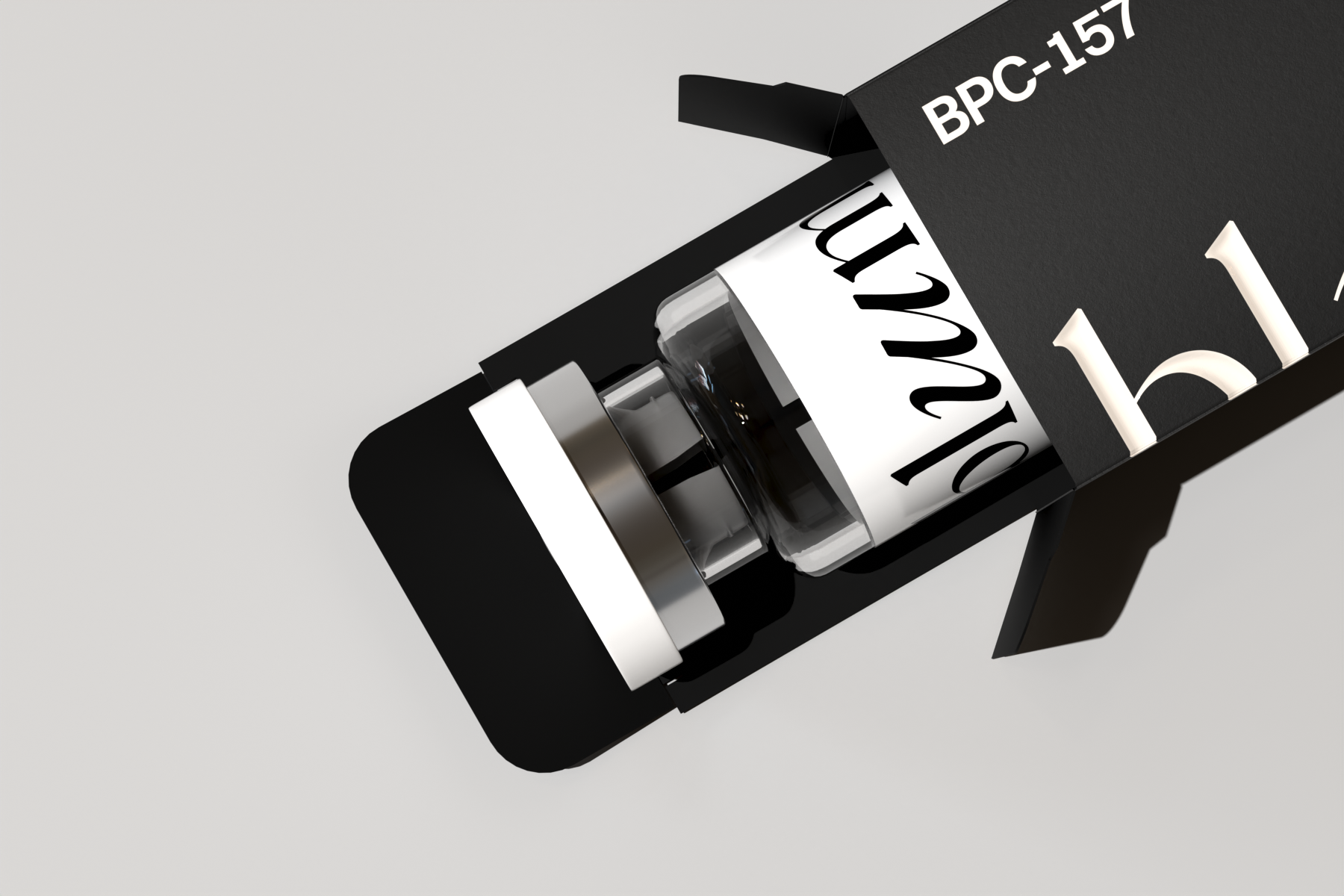
The name KLOW is not a universal pharmaceutical or pharmacopoeial designation, so formulations can differ between research suppliers. This makes it important to identify the exact composition and analytical characteristics of any material used in an experiment. Researchers evaluating KLOW should consider batch documentation, peptide identity, purity measurements, and formulation details before comparing findings between studies. At present, the complete four-peptide combination remains much less studied than its individual components.
Research interest has focused on areas such as tissue remodeling, cellular signaling, inflammation, and repair-related mechanisms. KLOW blend peptides are generally described as a research formulation containing four distinct peptides: GHK-Cu, BPC-157, TB-500, and KPV. Unlike a single peptide molecule, KLOW represents a combination of compounds that have been investigated separately for different biological processes. Importantly, the evidence available for the individual components should not be interpreted as direct evidence for the complete KLOW formulation.
The Four Components of KLOW
The scientific rationale behind KLOW comes from the different research areas associated with its four components. GHK-Cu is a copper-binding peptide studied in relation to extracellular-matrix activity, collagen-related processes, and tissue remodeling. BPC-157 is a synthetic peptide investigated mainly in preclinical models involving tissue injury, gastrointestinal systems, and connective tissues. TB-500 is commonly associated with research surrounding cellular migration and thymosin beta-4-related mechanisms, while KPV has attracted attention for its relationship with inflammatory signaling.
Although these components are often discussed together, their scientific histories are not interchangeable. Each peptide has its own molecular characteristics, experimental models, evidence quality, and limitations. In particular, researchers should distinguish TB-500 from full-length thymosin beta-4 because published findings involving the parent protein cannot automatically be applied to every material marketed as TB-500. This component-by-component approach provides a more accurate understanding of what KLOW may represent as a research subject.
GHK-Cu and Tissue Remodeling Research
GHK-Cu is a naturally occurring copper-binding tripeptide that has been investigated extensively in skin and extracellular-matrix research. Studies have explored its relationship with collagen production, fibroblast activity, wound-related processes, and changes in cellular gene expression. These properties have made GHK-Cu one of the better-known components associated with research formulations such as KLOW. Much of the available human research, however, has focused on topical or cosmetic applications rather than systemic peptide administration.
For that reason, researchers should be cautious when extending GHK-Cu findings beyond the conditions in which they were originally observed. A laboratory experiment involving cultured cells does not establish the same effect in a living organism, and topical research cannot automatically validate systemic applications. GHK-Cu provides an interesting biological foundation for investigating matrix remodeling, but its contribution to a multi-peptide formulation still requires direct experimental evaluation.
BPC-157 and Repair-Related Research
BPC-157 is another frequently discussed component of KLOW blend peptides. It is a synthetic peptide that has been examined primarily in animal and laboratory models involving connective tissue, gastrointestinal systems, vascular responses, and injury-related processes. Proposed mechanisms include effects on cellular signaling and pathways associated with vascular and tissue responses. These findings have generated considerable interest, although the evidence base remains predominantly preclinical.
The distinction between research interest and established clinical evidence is particularly important when encountering commercial searches such as bpc 157 for sale. The existence of products marketed under this term does not establish that BPC-157 is an approved treatment or that its proposed effects have been demonstrated in adequately controlled human trials. Researchers should instead examine the quality of the underlying studies, the experimental model, analytical verification, and the limitations reported by investigators.
TB-500 and KPV: Different Research Directions
TB-500 is generally discussed in connection with thymosin beta-4-related research and cellular movement. Thymosin beta-4 has been investigated in experimental models involving wound repair, cell migration, and tissue responses. However, researchers need to be precise about terminology because commercially described TB-500 may represent a fragment or analogue rather than the full-length thymosin beta-4 used in particular studies. This distinction can significantly affect how evidence should be interpreted.
KPV provides another research direction within the KLOW formulation. It is a short peptide corresponding to the C-terminal sequence of alpha-melanocyte-stimulating hormone and has been studied mainly for potential anti-inflammatory activity in cellular and animal models. Research has examined pathways associated with inflammatory signaling and intestinal inflammation. While these findings provide a mechanistic reason for further investigation, they do not demonstrate that KPV produces a specific therapeutic effect when included in KLOW.
Why Researchers Are Interested in the Combination
The conceptual purpose of KLOW is based on combining peptides that have been studied in different but potentially overlapping biological areas. GHK-Cu is associated with extracellular-matrix and remodeling research, BPC-157 with tissue and vascular responses, TB-500 with cellular migration, and KPV with inflammatory signaling. From a research perspective, examining several pathways in one experimental formulation can generate interesting hypotheses about interactions between cellular processes.
However, a plausible mechanism is not the same as demonstrated synergy. Current evidence does not establish that the four components work better together than separately, nor does it provide sufficient data to determine whether they could interfere with one another. The complete KLOW formulation has not been adequately characterized through controlled combination studies. Consequently, claims about enhanced repair, regeneration, or other outcomes should be presented as research hypotheses rather than established conclusions.
Potential Research Applications of KLOW
Potential research applications for KLOW can be considered around tissue remodeling, inflammatory responses, cellular migration, and repair-related signaling. Researchers could investigate whether the individual components influence different stages of a biological response and whether those effects remain measurable when the compounds are combined. Laboratory studies might examine cellular markers, extracellular-matrix changes, inflammatory mediators, or other predefined endpoints. Such experiments could help separate genuine combination effects from assumptions based on individual peptide studies.
Another valuable approach would be to compare the complete formulation with each component individually. A properly controlled experimental design could include separate groups for GHK-Cu, BPC-157, TB-500, KPV, the complete combination, and an appropriate control. This type of comparison would help determine whether the blend produces an additive response or whether its observed activity can be attributed primarily to one component. Without these comparisons, the scientific purpose of the combination remains largely theoretical.
Analytical Verification and Research Quality
Analytical verification is especially important when studying a multi-component peptide formulation. Researchers need to establish that the experimental material contains the compounds it claims to contain and that the material meets predefined quality specifications. High-performance liquid chromatography can provide information about chromatographic purity, while mass spectrometry can help confirm molecular identity. Batch-specific analytical documentation can also improve traceability and reduce uncertainty when comparing research results.
A certificate of analysis should be evaluated for its actual contents rather than treated as a simple quality guarantee. Researchers can examine whether the documentation identifies the tested batch, specifies the analytical methods, reports relevant purity measurements, and provides appropriate identity information. For a multi-component formulation, confirming each constituent is particularly important. Detailed records help researchers reproduce experiments and identify potential differences between batches or formulations.
KLOW Compared With Other Research Peptides
KLOW is sometimes mentioned alongside other compounds that attract attention in the broader research-peptide market. MOTS-c, for example, is a mitochondrial-derived peptide investigated primarily in metabolic and cellular research and is biologically distinct from the four components of KLOW. Searches involving terms such as mots-c peptide buy therefore refer to a separate research area rather than another component of the KLOW formulation. The two should not be treated as interchangeable simply because both are discussed in peptide research.
MOTS-c research has largely focused on biological mechanisms, metabolism, mitochondrial signaling, and preclinical models, while KLOW is generally discussed as a multi-component formulation centered on repair and inflammatory pathways. Human research involving endogenous MOTS-c measurements should also be distinguished from studies involving administration of an experimental peptide. Understanding these differences helps prevent commercial terminology from being mistaken for evidence of established clinical use.
Evidence Limitations and Future Research
The largest limitation surrounding KLOW blend peptides is the lack of direct research on the complete combination. Published evidence is primarily divided among studies of GHK-Cu, BPC-157, thymosin beta-4-related compounds, and KPV. These separate studies can provide useful hypotheses, but they cannot establish the pharmacokinetics, safety profile, efficacy, or interaction effects of the complete formulation. Future research would need to evaluate the blend directly under controlled experimental conditions.
Future studies could also improve scientific understanding by reporting precise formulation details and using appropriate comparison groups. Researchers could examine molecular identity, purity, stability, biological activity, and interactions between components before moving toward more complex experimental models. Independent replication would be especially valuable because it can reveal whether findings remain consistent across different laboratories and batches. This type of evidence would provide a stronger foundation than relying on assumptions drawn from individual peptide studies.
Final Perspective on KLOW Blend Peptides
KLOW blend peptides represent an interesting research formulation because they bring together GHK-Cu, BPC-157, TB-500, and KPV, four compounds with different research histories and proposed biological mechanisms. Their individual areas of investigation include tissue remodeling, cellular migration, inflammatory signaling, and repair-related processes. These overlapping themes explain why researchers may find the formulation scientifically interesting, but they do not establish that the complete combination produces a particular biological or therapeutic outcome.
A responsible scientific assessment should therefore separate documented findings from theoretical mechanisms. Researchers should verify the identity and purity of experimental materials, document the exact formulation, evaluate evidence according to its experimental model, and avoid treating commercial availability as proof of clinical validity. Whether KLOW ultimately demonstrates meaningful combination effects remains a question for controlled research. Until direct evidence becomes available, its primary value lies in the research questions it can generate rather than conclusions that have already been established.

 English
 Arabic
 French
 Spanish
 Portuguese
 Deutsch
 Turkish
 Dutch
Dutch
 Russian
 Romaian
 Portuguese (Brazil)
 Greek
Greek
