


 About Urh Social
 Terms of Service
 Privacy Policy
 Contact
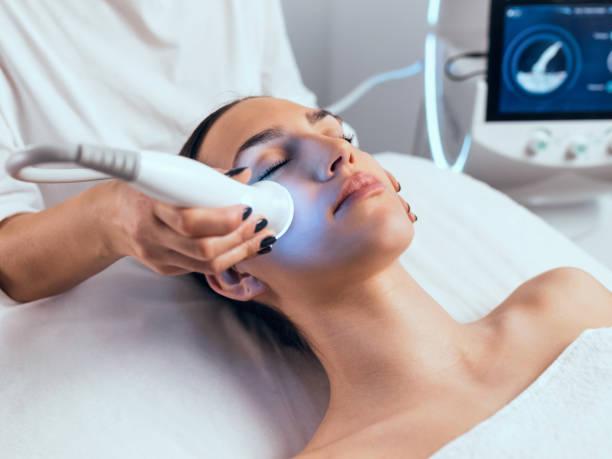
Most people focus entirely on the treatment itself, assuming that the device and the practitioner determine everything. In reality, how you prepare your skin beforehand and care for it afterward influences outcomes just as much. Laser Clinic in Riyadh(عيادة ليزر في الرياض) Proper preparation reduces complication risk; proper aftercare protects results and accelerates healing. Understanding Laser Clinic in Riyadh treatment properly means treating the days before and after your session as part of the procedure itself, not as optional extras.
Why Pre-Treatment Preparation Matters
Skin Condition Affects Response
Laser energy interacts with melanin, haemoglobin, and water in the skin. If the skin is tanned, irritated, or compromised, the treatment becomes less predictable and less safe.
Risk Reduction
Preparation reduces the likelihood of burns, blistering, and post-inflammatory hyperpigmentation.
Better Results
Skin that is appropriately prepared responds more evenly, producing more consistent outcomes across sessions.
Fewer Sessions Required
Well-prepared skin often achieves the desired result in fewer sessions, saving time and cost.
Why This Matters
Anyone researching Laser Clinic in Riyadh services should understand that preparation is not a formality—it directly affects results.
Pre-Treatment Skin Care Guidelines
Avoid Sun Exposure
Stay out of direct sun and avoid tanning beds for at least two weeks before treatment. Tanned skin increases risk of burns and pigmentation changes.
Use Sunscreen Daily
Broad-spectrum sunscreen protects the skin and prevents the tanning that complicates treatment. Apply consistently in the days beforehand.
Discontinue Photosensitising Products
Retinoids, strong acids, and certain acne treatments increase photosensitivity. Your practitioner will advise when to pause these, typically several days to a week before treatment.
Avoid Waxing, Threading, and Plucking
For hair removal treatments, these methods disturb the follicle and reduce effectiveness. Shaving is usually permitted.
Do Not Use Self-Tanners
Self-tanning products affect skin pigmentation temporarily and can interfere with treatment. Discontinue at least a week before.
Hydrate the Skin
Well-hydrated skin tolerates treatment more comfortably. Gentle moisturising in the days beforehand supports barrier function.
Avoid Irritating Treatments
Chemical peels, microdermabrasion, and other exfoliating procedures should be spaced appropriately from laser treatment.
Why This Matters
A Best laser clinic will provide specific preparation instructions tailored to your treatment. Follow them precisely.
Medications and Supplements to Disclose
Blood Thinners and Antiplatelets
These increase bruising risk and may require adjustment in consultation with your prescribing physician.
Photosensitising Medications
Certain antibiotics, acne medications, diuretics, and psychiatric drugs increase sensitivity to light. Full disclosure prevents complications.
Retinoids (Oral and Topical)
Both oral isotretinoin and topical retinoids affect skin behaviour and healing. Timing adjustments are often required.
Herbal Supplements
St. John's Wort, ginkgo, and certain other supplements affect photosensitivity and clotting.
Pregnancy and Breastfeeding Status
Many laser treatments are avoided during pregnancy and breastfeeding, though guidance varies by treatment type.
Why This Matters
Honest disclosure allows safe planning. Concealment introduces avoidable risk.
What to Expect on Treatment Day
Arrive With Clean Skin
Avoid makeup, lotions, deodorant, and perfumes on the treatment area unless instructed otherwise.
Wear Comfortable Clothing
Choose garments that allow easy access to the treatment area and will not rub against treated skin afterward.
Expect a Patch Test if Not Already Done
Some clinics perform this on the same day, particularly for first-time treatments.
Eye Protection Will Be Provided
Both you and the practitioner should wear appropriate eyewear throughout.
Communicate Throughout
Report any sensation that feels excessive. Discomfort should be manageable, not intolerable.
Plan Your Journey Home
If treatment involves numbing cream or extensive areas, arrange transport rather than driving yourself.
Why This Matters
Preparation on the day itself reduces stress and improves the experience.
Immediate Post-Treatment Care
Cooling and Soothing
Cool compresses, soothing gel, or aloe vera may be applied. Follow your practitioner's specific instructions.
Avoid Heat
Saunas, hot baths, hot yoga, and strenuous exercise should be avoided for at least 24 to 48 hours, sometimes longer.
Gentle Cleansing
Use a mild, fragrance-free cleanser and lukewarm water. Avoid scrubbing or exfoliating treated areas.
Moisturise Regularly
A gentle, non-comedogenic moisturiser supports barrier recovery. Apply as directed.
Avoid Makeup on Treated Areas
If possible, allow treated skin to breathe for at least 24 hours, or follow your practitioner's guidance.
Do Not Pick or Scratch
Any flaking, crusting, or peeling should be allowed to shed naturally. Picking increases scarring and pigmentation risk.
Why This Matters
The first 48 hours largely determine how smoothly healing progresses.
Ongoing Post-Treatment Care
Strict Sun Protection
Treated skin is more photosensitive for weeks afterward. Use broad-spectrum sunscreen daily and protect with hats and clothing.
Avoid Harsh Skincare Ingredients
Retinoids, glycolic acid, salicylic acid, and vitamin C should be reintroduced only when your practitioner confirms it is safe.
Gentle Exfoliation Later
Once healing is complete, gentle exfoliation may resume. Wait for clearance rather than assuming.
Continue Moisturising
Barrier support accelerates healing and reduces the risk of pigmentation changes.
Attend Follow-Up Appointments
These allow your practitioner to assess healing and adjust future sessions.
Report Any Concerns Promptly
Persistent redness, blistering, unusual swelling, or signs of infection require prompt professional assessment.
Why This Matters
Ongoing care protects your investment and prevents complications that emerge days later.
Skin Care by Treatment Type
Laser Hair Removal
Expect mild redness and follicular swelling for a few hours. Avoid heat, friction, and tight clothing on the treated area for 24 to 48 hours.
Pigmentation Treatment
Treated spots may darken before flaking off. Sun protection is absolutely critical to prevent recurrence and worsening.
Resurfacing and Fractional Treatments
Downtime varies from a few days to a week or more. Follow the specific aftercare protocol provided, which usually includes soothing ointments and strict sun avoidance.
Vascular Treatments
Bruising may occur and typically resolves within a week. Avoid blood-thinning medications where possible.
Tattoo Removal
Blistering is common and expected. Follow wound care instructions carefully to prevent infection and scarring.
Why This Matters
Aftercare requirements differ significantly between treatments. Generic advice may not apply to yours.
Products to Use and Avoid After Treatment
Safe Choices
Fragrance-free cleansers, gentle moisturisers with ceramides or hyaluronic acid, soothing agents like panthenol and aloe vera, and broad-spectrum sunscreen.
Ingredients to Avoid Temporarily
Retinoids, glycolic and salicylic acids, vitamin C, benzoyl peroxide, and any exfoliating scrubs.
When to Reintroduce Actives
Your practitioner will advise based on the treatment type and your healing progress. Typically this ranges from several days to two weeks.
Patch Test New Products
Before applying anything new to treated skin, test on a small area and monitor for reaction.
Why This Matters
Introducing the wrong product too early can undo weeks of healing.
Lifestyle Factors That Support Recovery
Hydration
Adequate water intake supports skin repair and barrier function.
Sleep
Rest supports tissue recovery and hormone balance. Poor sleep slows healing.
Nutrition
Protein, vitamin C, zinc, and antioxidants support tissue repair.
Avoid Smoking and Alcohol
Both impair circulation and healing, prolonging recovery.
Manage Stress
Chronic stress slows healing and increases inflammation.
Why This Matters
Recovery is not solely a topical process. Internal factors matter just as much.
When to Seek Professional Help
Persistent or Worsening Redness
Redness that intensifies rather than subsides warrants assessment.
Blistering Beyond Expectations
Some blistering is normal for certain treatments, but excessive or worsening blistering requires attention.
Signs of Infection
Increasing redness, warmth, foul discharge, or fever require prompt medical evaluation.
Unusual Pigmentation Changes
Darkening or lightening of treated areas should be reported so adjustments can be made.
Why This Matters
Early intervention resolves most complications quickly. Delay allows them to become serious.
Final Thoughts: Care Before and After Determines Success
Laser treatment is not a standalone event. Preparation in the weeks beforehand and diligent care in the days afterward determine whether results meet expectations and whether complications arise. Understand Laser Clinic in Riyadh treatment as a complete process rather than a single appointment, and your skin will respond with better, safer, more lasting results.
For those seeking expert guidance and customized aesthetic care, you can book an appointment consultation at the 'Enfield Royal Riyadh(إنفيلد رويال الرياض).
FAQs
How should I prepare my skin before laser treatment?
Avoid sun exposure, use sunscreen daily, pause photosensitising products, and follow your practitioner's specific instructions.
What should I avoid after laser treatment?
Avoid heat, harsh skincare ingredients, sun exposure, picking, and tight clothing on treated areas.
How long does recovery take?
It varies by treatment—from a few hours for hair removal to a week or more for resurfacing procedures.
Can I wear makeup after laser treatment?
Generally not on treated areas for at least 24 hours, or as advised by your practitioner.
When can I resume normal skincare?
Your practitioner will advise, typically ranging from several days to two weeks depending on the treatment.

 Arabic
 French
 Spanish
 Portuguese
 Deutsch
 Turkish
 Dutch
Dutch
 Italiano
 Russian
 Romaian
 Portuguese (Brazil)
 Greek
Greek
