


 About Urh Social
 Terms of Service
 Privacy Policy
 Contact
GST Planning for Exporters Investing in Machinery in India
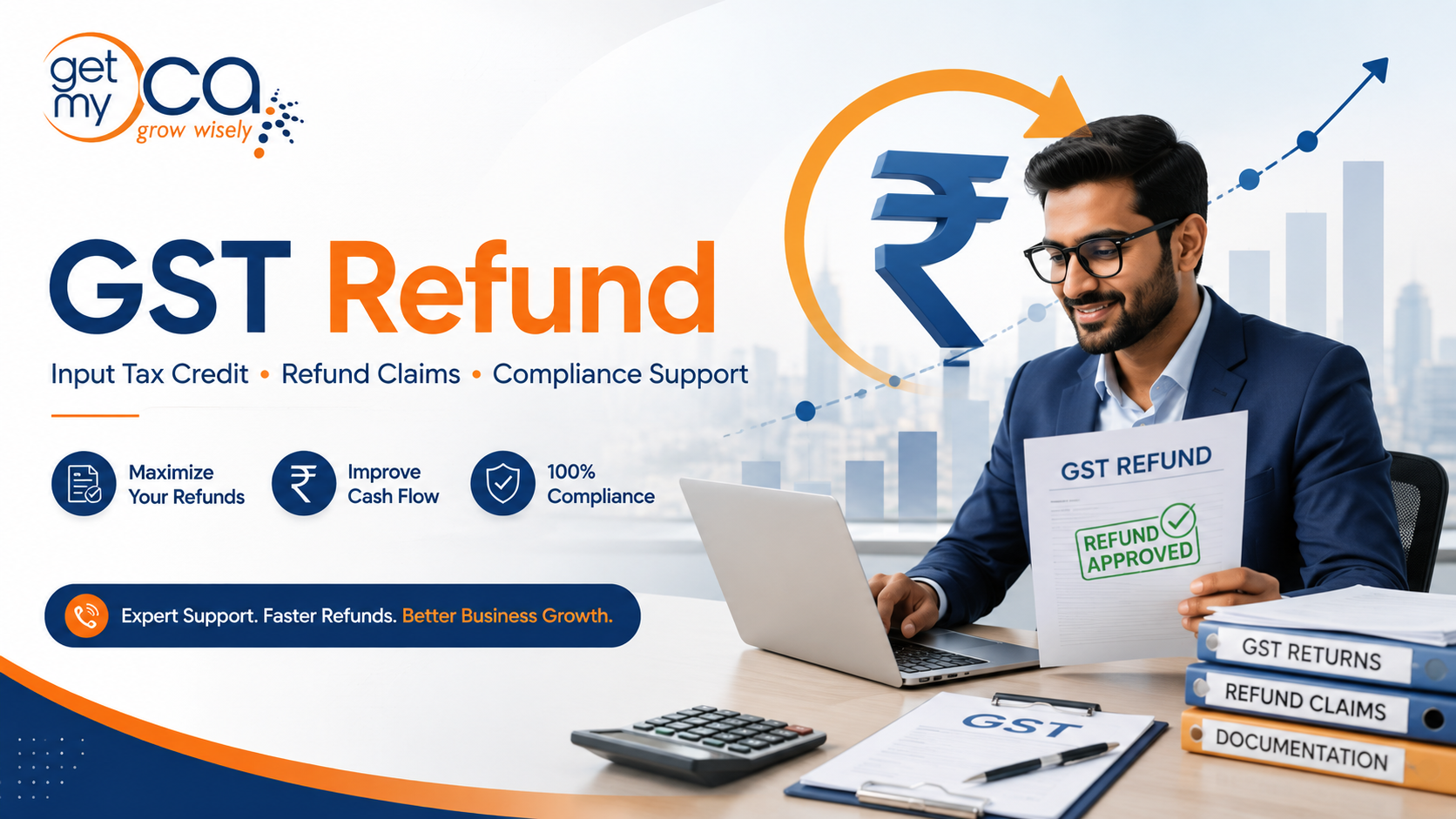
Export-oriented manufacturers often invest in new machinery to increase production capacity, improve efficiency, and support international growth. However, machinery investment involves more than equipment costs. GST, working capital, documentation, and export-related compliance should also be considered before making a major investment.
Proper planning can help businesses understand the financial impact of machinery purchases and maintain organized records for future tax and compliance requirements.
Why Should Exporters Consider GST Before Buying Machinery?
Machinery purchases can involve significant GST amounts, which may affect the working capital of a manufacturing business.
Before purchasing equipment, exporters should review:
- Machinery purchase value
- Applicable GST
- Supplier tax invoices
- Payment records
- Input tax credit position
- Export transactions
- Working-capital requirements
- Relevant GST refund provisions
Reviewing these factors before purchase can help businesses understand the complete financial impact of their investment.
Understanding GST Refunds for Exporters
Exports are subject to specific provisions under India's GST framework. Depending on the nature of transactions and the applicable route, eligible exporters may need to understand the GST refund process for exporters in India as part of their tax planning.
Proper documentation plays an important role in the refund process. Businesses should maintain relevant invoices, export documents, GST records, and supporting transaction information.
Instead of considering a potential refund as immediately available cash, businesses should also account for processing and compliance requirements while managing working capital.
How Can Machinery Investment Affect Cash Flow?
Purchasing machinery can create substantial cash requirements before the equipment starts contributing to production.
Apart from the machinery price, businesses may need funds for:
- Taxes
- Transportation
- Installation
- Testing
- Utilities
- Raw materials
- Financing costs
- Export logistics
Preparing a cash-flow plan can help manufacturers understand when funds will be required during different stages of the project.
GST Considerations for Export-Oriented Units
Export-oriented units investing in capital equipment may have additional tax and documentation considerations.
Businesses can review GST refund considerations for EOU machinery when evaluating a proposed machinery investment and its potential impact on working capital.
The applicable position can depend on the nature of the transaction, supporting records, and relevant GST provisions. Therefore, businesses should review their circumstances before relying on a particular tax treatment.
Maintain Proper Documentation
Manufacturers should maintain organized records relating to machinery investments, including:
- Purchase orders
- Tax invoices
- Payment records
- Machinery specifications
- Transportation documents
- Installation records
- GST records
- Export documents
Maintaining records from the beginning can make subsequent reconciliation and compliance processes easier.
Final Thoughts
Machinery investment can support the expansion of export-oriented manufacturing businesses, but GST and working-capital implications should be considered during the planning stage.
Businesses should review machinery costs, tax implications, export documentation, cash-flow requirements, and applicable refund provisions before committing significant capital.
A structured approach can help exporters manage their investment while maintaining better financial and compliance records.

 English
 Arabic
 French
 Spanish
 Portuguese
 Deutsch
 Dutch
Dutch
 Italiano
 Russian
 Romaian
 Portuguese (Brazil)
 Greek
Greek
