


 About Urh Social
 Terms of Service
 Privacy Policy
 Contact
Alopecia Areata Treatment for Understanding the Hair Regrowth Process
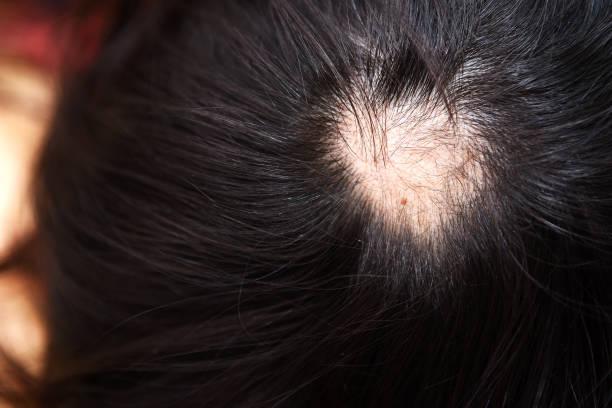
Alopecia areata is an autoimmune condition that can cause sudden, patchy hair loss when the immune system mistakenly affects hair follicles. It commonly appears as smooth, round or oval patches on the scalp but may also affect eyebrows, eyelashes, beard hair, and other areas. Alopecia Areata Treatment in Riyadh may help manage hair loss and support regrowth in suitable cases based on the condition's severity, duration, and affected areas.
Hair regrowth does not follow exactly the same pattern for everyone. Some people may experience natural regrowth, while others may need professional treatment to help control active hair loss. Because alopecia areata is usually non-scarring, affected follicles can remain capable of producing new hair. Alopecia Areata Treatment in Riyadh focuses on understanding the individual's condition and selecting suitable care while maintaining realistic expectations about the regrowth process.
How the Hair Regrowth Process Develops
Early Regrowth
When an affected follicle begins producing hair again, the first hairs may be very fine, soft, or lighter than the surrounding hair. This early stage can make regrowth difficult to notice.
Gradual Thickening
As follicle activity improves, newly growing hair may gradually become thicker and stronger. Pigmentation can also return, making the new hair blend more closely with the surrounding areas.
Uneven Progress
Regrowth does not always occur evenly across every patch. One area may begin recovering while another remains unchanged, so progress should be assessed over time rather than based on short-term changes.
Factors That Can Influence Regrowth
Extent of Hair Loss
The size and number of affected patches can influence the overall appearance and course of recovery. More extensive hair loss may require closer professional management.
Duration of Hair Loss
The length of time a patch has remained without hair can be relevant when evaluating the condition and discussing possible treatment approaches.
Recurrence
Alopecia areata can return after periods of improvement. New patches may develop even after successful regrowth, making continued awareness of changes important.
Treatment Options That May Support Regrowth
Topical Treatments
For selected cases, prescribed topical medications such as corticosteroids may be used to reduce inflammation around affected follicles. Treatment should be guided by a qualified professional.
Localized Injections
Corticosteroid injections may be considered for certain localized patches. They are administered directly into affected areas and may be repeated depending on the individual's clinical response.
Systemic and Targeted Therapies
More extensive or persistent alopecia areata may require systemic or targeted treatment. Certain JAK inhibitors may be appropriate for selected patients after considering medical history, disease severity, potential risks, and monitoring requirements.
Caring for Hair During Regrowth
Choose Gentle Hair Practices
Gentle washing and brushing can help protect existing hair. Avoiding excessive pulling, tight hairstyles, and aggressive styling can reduce unnecessary stress on the hair.
Reduce Heat and Chemical Exposure
Frequent heat styling, bleaching, and harsh chemical treatments can weaken the hair shaft. Limiting these practices may help maintain healthier existing hair during the recovery period.
Protect Exposed Scalp Areas
Hair-loss patches may be more exposed to sunlight. Suitable headwear and sunscreen for exposed scalp skin can help provide additional protection outdoors.
Monitoring Hair Recovery
Track Changes Over Time
Periodic photographs taken under similar lighting can help make gradual changes easier to compare. Monitoring can also help identify new patches or changes in existing areas.
Maintain Professional Follow-Up
A specialist can assess whether hair follicles appear to be recovering and whether treatment remains appropriate. Follow-up is particularly useful when hair loss is persistent, extensive, or recurring.
Setting Realistic Expectations
Hair regrowth can take time and may vary considerably between individuals. Some people experience substantial recovery, while others may have recurring or persistent patches. Alopecia Areata Treatment in Riyadh can provide suitable management options, but no treatment can guarantee a specific amount or speed of regrowth.
Book an Appointment
If you are concerned about patchy hair loss or want to understand your hair regrowth possibilities, professional evaluation can provide personalized guidance. At Royal Clinic Saudi, a specialist can assess your scalp and hair-loss pattern and discuss suitable treatment options to support your individual recovery journey.
FAQs
Can hair grow back after alopecia areata?
Yes. Regrowth is possible because the condition usually does not permanently scar the follicles.
What does new hair look like?
It may initially be fine, soft, or lighter before becoming thicker and darker.
Is hair regrowth always even?
No. Different patches can recover at different rates.
Can alopecia areata return after regrowth?
Yes. Recurrence is possible, so monitoring new hair-loss changes is important.

 English
 Arabic
 French
 Spanish
 Portuguese
 Deutsch
 Dutch
Dutch
 Italiano
 Russian
 Romaian
 Portuguese (Brazil)
 Greek
Greek
