


 About Urh Social
 Terms of Service
 Политика конфиденциальности
 Contact
AWS Cloud Migration: A Complete Guide for Modern Businesses
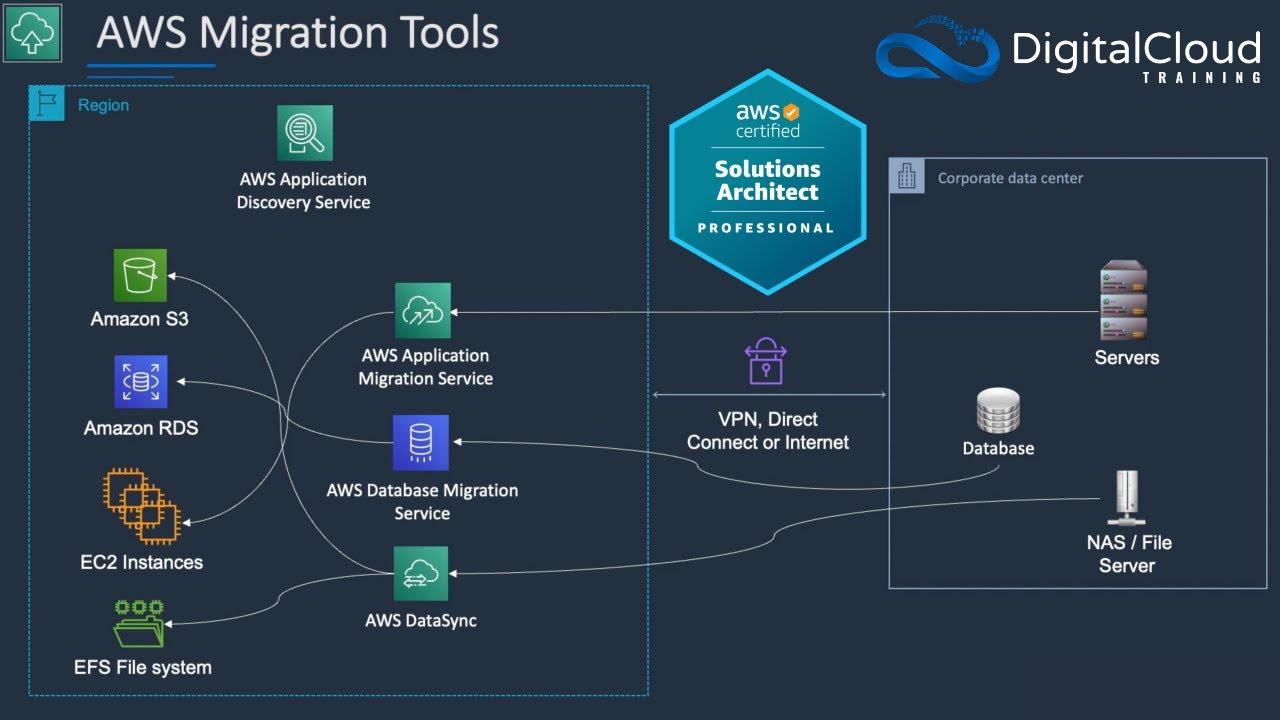
Cloud technology gives businesses a flexible way to manage applications, data, and IT infrastructure. Moving workloads to Amazon Web Services can support scalability, modernization, and efficient infrastructure management. With aws migration consulting services, businesses can plan their cloud journey, prepare their AWS environment, and move workloads through a structured process.
What Is AWS Migration?
AWS migration is the process of moving business workloads from physical servers, data centers, legacy environments, or other cloud platforms to Amazon Web Services. These workloads may include applications, databases, servers, virtual machines, websites, and business data.
A well-planned migration begins with understanding the current IT environment. Teams review workloads, dependencies, infrastructure, and business requirements before creating a suitable migration strategy. This approach helps businesses organize the move and prepare their workloads for the AWS environment.
Key Stages of an AWS Migration
1. Discovery and Assessment
The first stage is to review the existing infrastructure. Teams identify applications, servers, databases, storage systems, and their dependencies. This information helps create a clear picture of the environment and supports better migration planning.
2. AWS Readiness and Planning
After assessment, the AWS environment can be prepared according to business needs. This may include setting up the AWS landing zone, networking, identity management, security controls, and other core services.
A migration strategy can then be selected based on workload requirements. Common approaches include lift-and-shift and re-platforming.
3. Workload Migration
Once the environment is ready, workloads can be moved to AWS in planned stages. Businesses can migrate servers, applications, databases, VMware environments, and other workloads according to their migration roadmap.
Testing during this stage helps teams verify application functionality, connectivity, data integrity, and performance.
4. Post-Migration Optimization
Migration does not end when workloads reach AWS. Post-migration support can include monitoring, performance tuning, security reviews, resource optimization, and cost visibility. These activities help businesses maintain an efficient cloud environment over time.
Benefits of Moving Workloads to AWS
Scalable Infrastructure
AWS provides cloud resources that can support changing workload requirements. Businesses can scale their infrastructure as applications and user demand grow.
Modern Cloud Services
AWS offers services for computing, databases, storage, networking, security, containers, and automation. These services allow businesses to build and manage modern cloud environments.
Improved Disaster Recovery
Cloud-based infrastructure can support disaster recovery planning by providing flexible resources and recovery options. Businesses can design environments that support continuity and faster recovery.
Better Cloud Management
Migration planning combined with monitoring and optimization can give teams better visibility into their infrastructure. This can support effective resource management and long-term cloud operations.
Choosing the Right Migration Approach
Every business has different applications, infrastructure, and goals. Some workloads may be suitable for a direct lift-and-shift approach, while others may benefit from re-platforming or modernization.
A structured migration process can include discovery, dependency mapping, architecture planning, pilot migrations, phased execution, testing, and post-migration support.
For organizations planning amazon web services cloud migration, professional guidance can help create a migration roadmap that aligns technology with business requirements.
Conclusion
AWS migration provides businesses with a practical path toward scalable and modern cloud infrastructure. From assessment and planning to workload migration and optimization, each stage contributes to a well-organized cloud transition. With the right strategy and technical expertise, businesses can build an AWS environment that supports their applications, data, and future growth.
FAQs
What is AWS migration?
AWS migration is the process of moving applications, servers, databases, data, and other workloads to Amazon Web Services.
What workloads can be migrated to AWS?
Businesses can migrate applications, databases, servers, websites, virtual machines, VMware workloads, and data centers to AWS.
How long does an AWS migration take?
The timeline depends on the size and complexity of the environment. A small migration may take a few weeks, while larger multi-wave programs can take several months.
What happens after AWS migration?
Post-migration activities can include monitoring, optimization, performance tuning, security validation, and ongoing AWS management.

 English
 Arabic
 French
 Spanish
 Portuguese
 Deutsch
 Turkish
 Dutch
 Italiano
 Romaian
 Portuguese (Brazil)
 Greek