


 About Urh Social
 Terms of Service
 Privacy Policy
 Contact
What Is the Process for a Room That Fails Inspection and Requires Re-Cleaning?
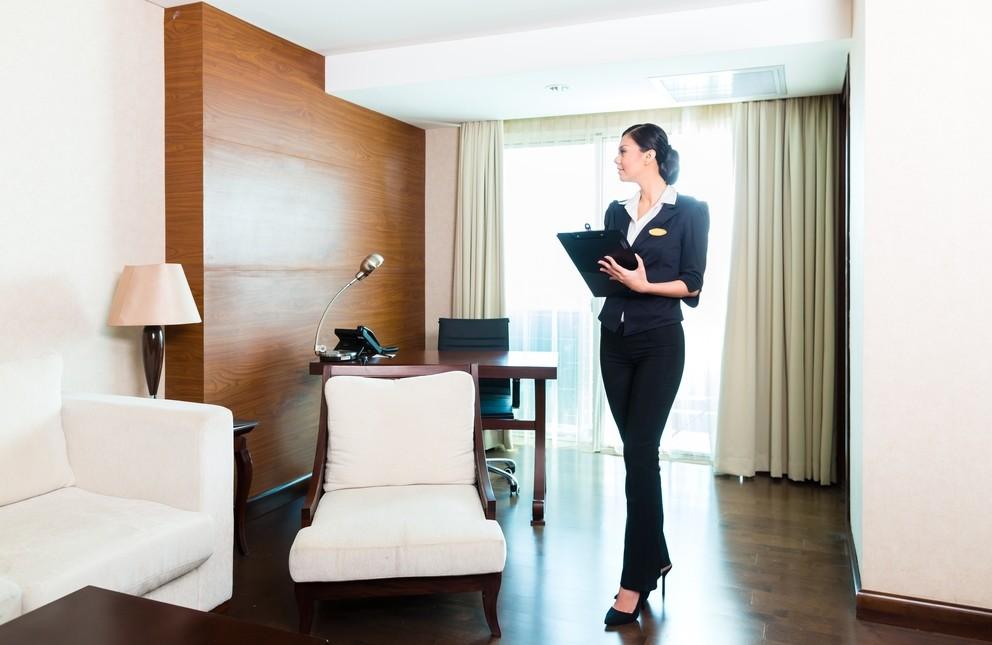
In the hospitality and commercial accommodation sector, cleanliness is directly tied to customer satisfaction, brand reputation, and operational success. While housekeepers strive for perfection on their first pass, room inspections inevitably uncover details that do not meet the establishment's strict standards. Whether it is a forgotten high-touch surface, an improperly made bed, or a subtle lingering odor, a failed inspection is a normal part of quality assurance.
1. Immediate Flagging and Comprehensive Failure Documentation
The re-cleaning workflow begins the moment an inspector, floor supervisor, or executive housekeeper identifies a deficiency during a routine quality audit. Today, most modern lodging facilities use automated Property Management Systems (PMS) or specialized housekeeping applications to manage room statuses in real-time.
When a room fails inspection, the supervisor immediately updates the room status from "Dirty/Cleaning" to "Failed Inspection" or "Requires Re-Cleaning." This prevents the front desk team from accidentally assigning the room to an arriving guest. Alongside the digital status update, the supervisor completes a detailed failure report. Rather than simply stating that the room is dirty, the report precisely documents the failure points—such as unwashed glassware, dust along the baseboards, missed trash bins, or hair in the shower drain. Capturing precise details ensures that the corrective action is fast, targeted, and measurable.
2. Priority Escalation and Operational Communication
Once a room failure is documented, the supervisor must establish its priority level based on the property’s current occupancy rates and daily arrival schedules. If the room is assigned to an incoming guest who is already checking in or arriving shorty, the re-cleaning task receives an immediate "Priority One" status.
Communication between supervisors and room attendants during this stage must remain professional, direct, and constructive. Rather than framing the re-cleaning request as a punishment, effective management teams treat it as an educational feedback loop. Clear verbal instructions paired with digital or written notes ensure the attendant knows exactly what needs attention. For teams looking to build robust operational frameworks and standard operating procedures, enrolling staff in a comprehensive housekeeping course provides invaluable training on maintaining consistency, managing inspection workflows, and upholding rigorous hygiene protocols across the department.
3. Execution of the Step-by-Step Re-Cleaning Protocol
Re-cleaning a failed room is significantly different from performing a standard turnover clean. Instead of starting from scratch, the attendant follows a targeted corrective protocol designed to fix the specific issues while verifying the overall presentation of the room.
The standard execution process includes the following vital steps:
-
Targeted Remediation: The attendant addresses the exact items highlighted on the supervisor's inspection report, such as replacing stained linens or deep-cleaning neglected fixtures.
-
Secondary Area Review: After rectifying the flagged issues, the attendant performs a quick secondary sweep of adjacent areas to ensure no secondary oversights occurred during the initial pass.
-
Sanitization and High-Touch Disinfection: Special attention is paid to high-contact surfaces like remote controls, door handles, light switches, and thermostat controls to guarantee hygiene standards.
-
Final Presentation Touch-Up: The attendant aligns drapery, fluffs pillows, checks scent levels, and verifies that all guest amenities (toiletries, coffee pods, towels) are stocked to exact brand specifications.
By following this precise checklist, the room attendant ensures that all failure points are resolved thoroughly without wasting unnecessary time repeating tasks that were already completed correctly.
4. Secondary Inspection and Formal Supervisory Sign-Off
Under no circumstances should a room that previously failed an inspection be released back into inventory without a secondary verification pass. Once the room attendant completes the necessary re-cleaning tasks, they notify the floor supervisor that the space is ready for re-inspection.
The supervisor conducts a dedicated walk-through, focusing first on the previously flagged areas to confirm that the issues have been thoroughly resolved. Once satisfied, the supervisor conducts a rapid full-room audit to verify that the overall ambiance, hygiene, and aesthetic appeal meet the property's benchmark. If the room passes this second review, the supervisor signs off on the inspection sheet and officially updates the Property Management System to "Inspected & Ready." Only after this explicit digital or physical sign-off can the front desk team issue room keys to guests.
5. Root Cause Analysis and Continuous Quality Improvement
A single failed inspection is a minor operational hiccup, but recurring failures point to underlying structural or training issues within the housekeeping department. The final phase of the re-cleaning process takes place behind the scenes through logging and root cause analysis.
Executive housekeepers track failure logs over weekly and monthly periods to identify emerging patterns. Common root causes include:
-
Unrealistic Time Allocations: Attendants are rushed due to unrealistic room completion quotas during peak check-out hours.
-
Equipment or Chemical Deficiencies: Ineffective cleaning solutions or worn-out cleaning tools hamper the team's efficiency.
-
Training Gaps: New or temporary staff members may be unfamiliar with specific brand standards or complex room layouts.
By analyzing these metrics, management can adjust room assignment loads, upgrade cleaning equipment, or schedule targeted refresher workshops. Transforming inspection failures into actionable insights ensures long-term operational consistency, boosts team productivity, and protects the property's reputation for exceptional guest hospitality.

 English
 Arabic
 French
 Spanish
 Portuguese
 Deutsch
 Turkish
 Dutch
Dutch
 Russian
 Romaian
 Portuguese (Brazil)
 Greek
Greek
