


 About Urh Social
 Terms of Service
 Privacy Policy
 Contact
How to Keep Children Safe and Comfortable During Long Car Trips in the UAE
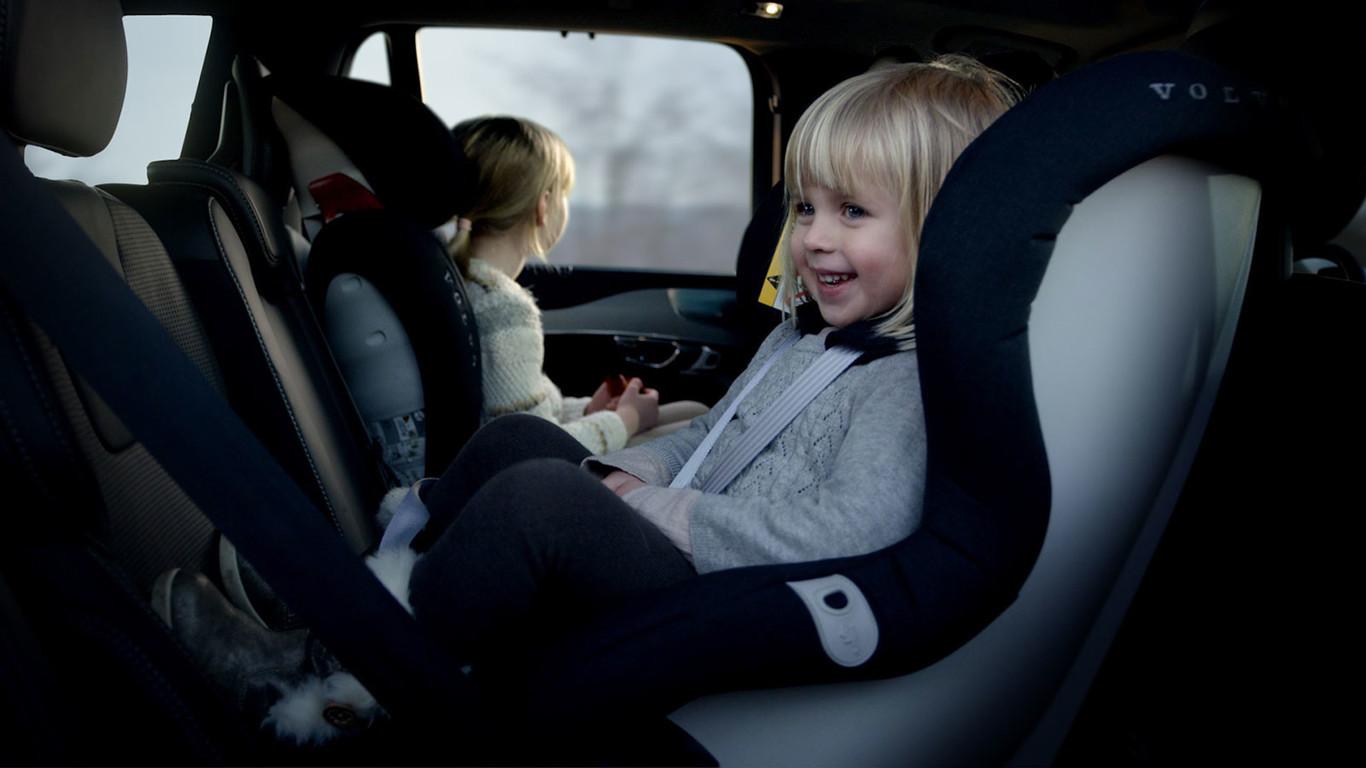
Long car trips can be enjoyable for families when children have a safe seat, proper restraints, regular breaks, and protection from heat. Before setting off, parents should secure every child correctly, prepare water and essentials, plan rest stops, and keep children supervised throughout the journey. This guide explains practical ways to make extended drives safer and more comfortable for children in the UAE.
1. Use the Correct Child Car Seat
The safest starting point is a properly fitted child restraint that matches the child's age, size, and development.
In the UAE, children under four years old must use an appropriate child safety seat, while children under 10 years old or shorter than 145 cm must not sit in the front seat. Drivers can also face penalties for failing to use the required child restraint. Always check the latest requirements from the Roads and Transport Authority before travelling.
|
Child |
Safety approach |
|
Infant |
Use a suitable rear-facing infant seat |
|
Toddler |
Use a properly fitted child safety seat |
|
Older child |
Use an appropriate booster or seat belt based on size |
|
Child below 10 years or 145 cm |
Keep the child in the rear seat |
Do not move a child into a seat belt simply because the child feels old enough. The restraint should fit the child's body correctly.
2. Check the Car Seat Before Leaving
A car seat only provides its intended protection when you install and use it correctly.
Before a long journey:
-
Read the vehicle and car-seat manufacturer's instructions.
-
Tighten the seat securely according to the manufacturer's installation method.
-
Check that the harness sits correctly on the child's body.
-
Remove bulky jackets or thick layers beneath the harness.
-
Make sure the seat does not move excessively after installation.
-
Check the seat's expiry date and condition.
-
Never use a damaged seat after a significant crash unless the manufacturer confirms that it remains safe.
If you are using an unfamiliar vehicle, spend a few minutes checking the restraint before starting the trip.
3. Keep Children in the Rear Seat
The rear seat generally provides a safer position for young passengers than the front seat.
Keep children properly restrained in the back and avoid placing them in a position where they can distract the driver. Do not allow children to lean between the front seats, climb around the cabin, or change seats while the vehicle is moving.
For younger children, keep the child seat positioned according to both the vehicle and child-seat manufacturer's instructions.
4. Prepare for the UAE Heat
Heat management becomes especially important during long journeys across the UAE.
5
Start the air conditioning before the cabin becomes excessively hot. Keep children hydrated and carry enough water for the planned journey.
Useful items include:
-
Drinking water
-
Light snacks
-
Sunshades
-
Spare clothing
-
Wet wipes
-
Tissues
-
Any regular child-care essentials
-
A small rubbish bag
Never leave a child alone inside a parked vehicle, even for a short period. A parked car can become dangerously hot, particularly in the UAE summer.
5. Plan Breaks Instead of Driving Nonstop
Children usually tolerate long journeys better when the trip includes planned stops.
For longer UAE routes, identify suitable service areas, fuel stations, restaurants, or rest facilities before departure. Use breaks to let children walk around safely, drink water, use the toilet, and stretch.
A simple routine can help:
Drive → Stop → Hydrate → Stretch → Toilet break → Continue
Do not wait until a child becomes extremely uncomfortable before stopping.
6. Keep Snacks Simple and Safe
Pack foods that are easy to eat without creating a major distraction.
Good road-trip choices can include:
-
Cut fruit
-
Crackers
-
Sandwiches
-
Yogurt where refrigeration is available
-
Water
Avoid foods that create a significant choking risk, especially for younger children. Adults should supervise young children while they eat.
Keep snacks within reach of a passenger rather than allowing the driver to turn around or reach into the back seat while driving.
7. Choose a Comfortable Vehicle
The vehicle itself can affect how manageable a long family journey feels. Families with several passengers may need more rear-seat space and luggage capacity than they would for a short city drive.
For example, an SUV for family travel can provide useful cabin and luggage space when parents need to carry a stroller, bags, snacks, and children's belongings. A larger vehicle can also make it easier to organise the rear seating area without placing luggage around passengers.
If your own vehicle does not provide enough space for a particular trip, choosing an appropriate long-term car rental or shorter rental period can give the family access to a vehicle that better matches the journey.
Great Dubai's car rental listings can also be useful when comparing different vehicle categories and rental durations before a family road trip. The important point is to select a vehicle based on passenger space, child-seat compatibility, luggage requirements, and journey length rather than appearance alone.
8. Keep the Driver Focused
Children can unintentionally distract drivers during long trips.
Set up everything the driver might need before leaving. Keep toys, snacks, drinks, and entertainment devices accessible to a passenger or older child rather than the driver.
Avoid:
-
Turning around to discipline a child
-
Passing objects while driving
-
Searching for dropped toys
-
Adjusting children's devices while moving
-
Allowing children to move around the cabin
If a child's needs require the driver's attention, pull over somewhere safe before dealing with the situation.
9. Use Entertainment Without Creating Distractions
Entertainment can make long journeys easier, but it should not compromise safety.
Download films, audiobooks, music, or children's programs before departure if you plan to use a device. Secure tablets and other objects appropriately rather than holding them loose in the cabin.
You can also use screen-free activities:
-
Audiobooks
-
Family road-trip games
-
Storytelling
-
Music
-
UAE landmark spotting
-
Simple travel conversations
Avoid handing children loose, heavy objects that could become dangerous during sudden braking.
10. Keep Toys Suitable for Travel
Choose soft, compact toys that children can handle while seated.
Avoid hard or heavy objects that could become projectiles during sudden braking or a collision. Keep loose items organised in a small travel bag or storage compartment.
A familiar toy can also help younger children settle into an unfamiliar vehicle.
11. Check Seat Belts Before Every Departure
Make seat-belt checks part of the family's departure routine.
Before moving, confirm that:
-
Every passenger is seated.
-
Every child has the correct restraint.
-
Harnesses and seat belts fit correctly.
-
Doors are properly closed.
-
Bags and loose objects are secured.
-
Children remain seated throughout the journey.
Do not allow a child to remove a seat belt because the journey is almost finished. Most serious driving risks can occur at any point on the road.
12. Avoid Leaving Children Alone in the Car
Never use a parked vehicle as a temporary place to leave a child.
Even with the air conditioning running, leaving a child unattended creates unnecessary risk. Take children with you whenever you leave the vehicle.
Parents should also make a habit of checking the rear seat after parking. This simple routine can help prevent a child from accidentally being left behind.
13. Watch for Signs of Travel Discomfort
Some children experience motion sickness during long drives.
Common symptoms can include nausea, dizziness, sweating, or vomiting. Parents can reduce discomfort by keeping the cabin cool, offering small amounts of water, avoiding heavy meals immediately before travel, and taking breaks when necessary.
If a child becomes unwell, stop at a safe location and assess the situation rather than trying to continue the journey while managing the problem.
14. Keep an Emergency Kit in the Car
A family road-trip kit should cover ordinary problems as well as unexpected delays.
Consider carrying:
|
Item |
Purpose |
|
Drinking water |
Hydration during stops or delays |
|
First-aid supplies |
Minor injuries |
|
Tissues and wipes |
Cleaning |
|
Spare clothes |
Spills or accidents |
|
Phone charger |
Communication |
|
Torch |
Night-time emergencies |
|
Snacks |
Delays between stops |
|
Important contacts |
Quick access during emergencies |
Check the kit before particularly long journeys and replace anything that has been used.
15. Plan the Route Before Departure
Route planning reduces unnecessary stress during the journey.
Check the route, expected driving time, fuel requirements, rest locations, and weather conditions before leaving. Keep navigation instructions ready so the driver does not need to operate a phone while driving.
For trips between emirates, confirm the route and planned stops in advance. Leave additional time for children's breaks rather than treating the journey as a race against the estimated arrival time.
16. Teach Children Simple Car-Safety Rules
Even young children can learn basic travel rules.
Teach them to:
-
Stay seated while the car is moving.
-
Keep their seat belt fastened.
-
Never open a door without an adult.
-
Avoid distracting the driver.
-
Keep hands and objects inside the vehicle.
-
Tell an adult when they feel sick, thirsty, or uncomfortable.
Older children can also help younger siblings follow these rules, but an adult should remain responsible for safety.
Long Car Trip Safety Checklist
Before leaving, run through this quick checklist:
-
Correct child restraint installed
-
Child properly secured
-
Rear seats checked
-
Water packed
-
Safe snacks prepared
-
First-aid supplies available
-
Route planned
-
Rest stops identified
-
Entertainment prepared
-
Loose luggage secured
-
Vehicle air conditioning checked
-
Driver has everything needed before departure
Final Thoughts
Keeping children safe on a long car trip depends more on preparation and consistent habits than complicated equipment. Use the correct child restraint, keep children in the rear seat, manage the UAE heat, plan regular breaks, secure loose items, and prevent distractions inside the cabin.
Most importantly, make safety checks part of every departure. A few minutes spent preparing the vehicle and passengers can make a long family journey much easier to manage.

 English
 Arabic
 French
 Spanish
 Portuguese
 Deutsch
 Turkish
 Dutch
Dutch
 Italiano
 Russian
 Portuguese (Brazil)
 Greek
Greek
