


 About Urh Social
 Terms of Service
 Política de privacidade
 Contact
What Manufacturers Should Review Before a Major Capital Expansion
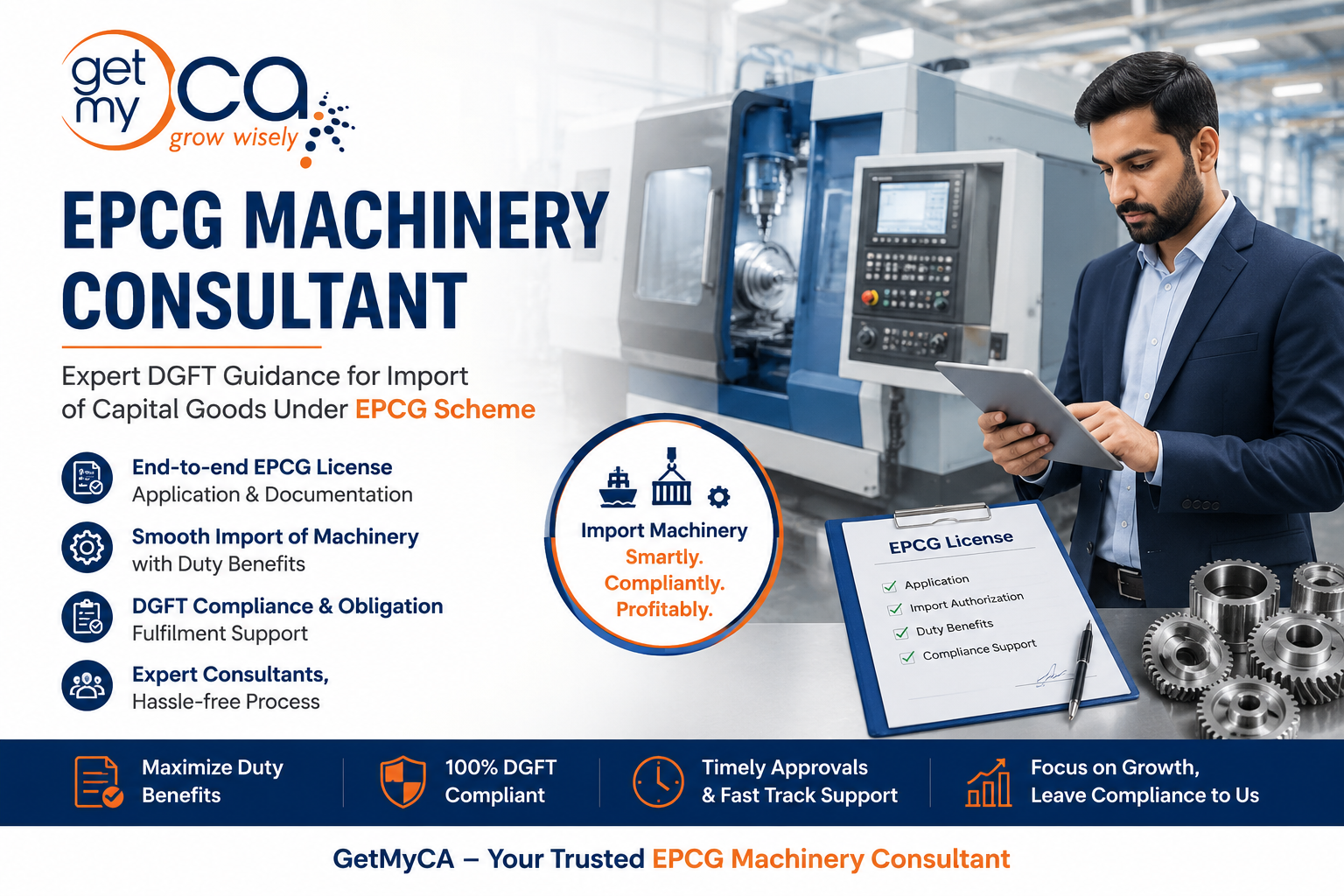
Manufacturing expansion often requires significant spending on machinery, production lines, utilities and supporting infrastructure. However, capital expenditure should not be evaluated only on the basis of equipment price or expected production capacity.
Businesses may also need to consider financing, taxation, export plans, project location and applicable industrial policies before making major commitments.
Define the Purpose of the Investment
Before selecting machinery or finalising suppliers, management should establish why the investment is required.
A project may be intended to:
- Increase manufacturing capacity
- Replace outdated equipment
- Introduce automation
- Improve product quality
- Add a new product line
- Support export growth
- Reduce operating costs
A clearly defined objective makes it easier to compare technical and financial alternatives.
Review Export-Related Requirements Before Machinery Purchase
For manufacturers involved in exports, capital equipment decisions may have implications beyond production.
Companies considering new equipment can conduct a pre-investment EPCG assessment for machinery upgrades before purchase orders and procurement arrangements are finalised.
The assessment may include the nature of the machinery, expected exports, procurement structure and continuing compliance requirements.
Reviewing these areas early is generally more practical than examining the scheme only after substantial expenditure has already been committed.
Location Can Affect the Expansion Strategy
The location of a manufacturing project can influence infrastructure, logistics, workforce access, operating costs and available policy support.
Businesses planning a new facility or major expansion in Haryana can review the Haryana manufacturing expansion policy framework while assessing the overall investment structure.
Policy incentives should not be considered in isolation. Manufacturers should also compare commercial factors such as access to suppliers, customers, transport infrastructure, utilities and skilled employees.
Compare the Complete Project Cost
Machinery price represents only one component of a manufacturing expansion.
Management may also need to consider:
- Installation expenses
- Financing costs
- Utility requirements
- Building modifications
- Tax implications
- Maintenance costs
- Working capital
- Training requirements
- Compliance expenses
Evaluating the complete project cost provides a more realistic picture of the investment.
Coordinate Production and Finance Teams
Capital projects often involve several departments.
Production teams may focus on machinery specifications, while finance teams examine funding and cash flow. Tax and compliance teams may need to evaluate regulatory implications.
These teams should ideally review the investment together before final approval.
This can help identify issues that might otherwise become visible only after supplier negotiations or expenditure have progressed.
Maintain Project Documentation
Organised documentation is important throughout the expansion process.
Businesses may need to retain:
- Supplier quotations
- Machinery specifications
- Project reports
- Purchase orders
- Invoices
- Financing documents
- Payment records
- Installation information
- Export projections
- Internal approvals
Maintaining these records from the beginning can make later financial and compliance reviews easier.
Avoid Building the Project Around an Assumed Incentive
Government schemes or policy benefits can influence project economics, but businesses should avoid assuming that a particular benefit will automatically be available.
Eligibility may depend on factors such as investment structure, location, enterprise classification, timelines and qualifying expenditure.
A useful approach is to compare the project's economics both with and without expected policy support.
Review Timing Before Committing Capital
Timing can be particularly important where an investment involves regulatory approvals, export-related programmes or industrial incentives.
Businesses should therefore review relevant requirements while the project is still being planned.
Early assessment provides more flexibility to adjust procurement, financing or implementation arrangements if required.
Final Thoughts
A major manufacturing expansion should be treated as an integrated investment project rather than simply a machinery purchase.
Technical requirements, financing, export strategy, project location, taxation and applicable policies may all influence the final decision.
Reviewing these areas before committing significant capital can help management understand both the commercial opportunities and the longer-term responsibilities associated with the investment.

 English
 Arabic
 French
 Spanish
 Portuguese
 Deutsch
 Turkish
 Dutch
 Italiano
 Russian
 Romaian
 Greek
