


 About Urh Social
 Terms of Service
 سياسة الخصوصية
 Contact
How MSMEs Can Plan Machinery Upgrades Without Creating Cash-Flow Pressure
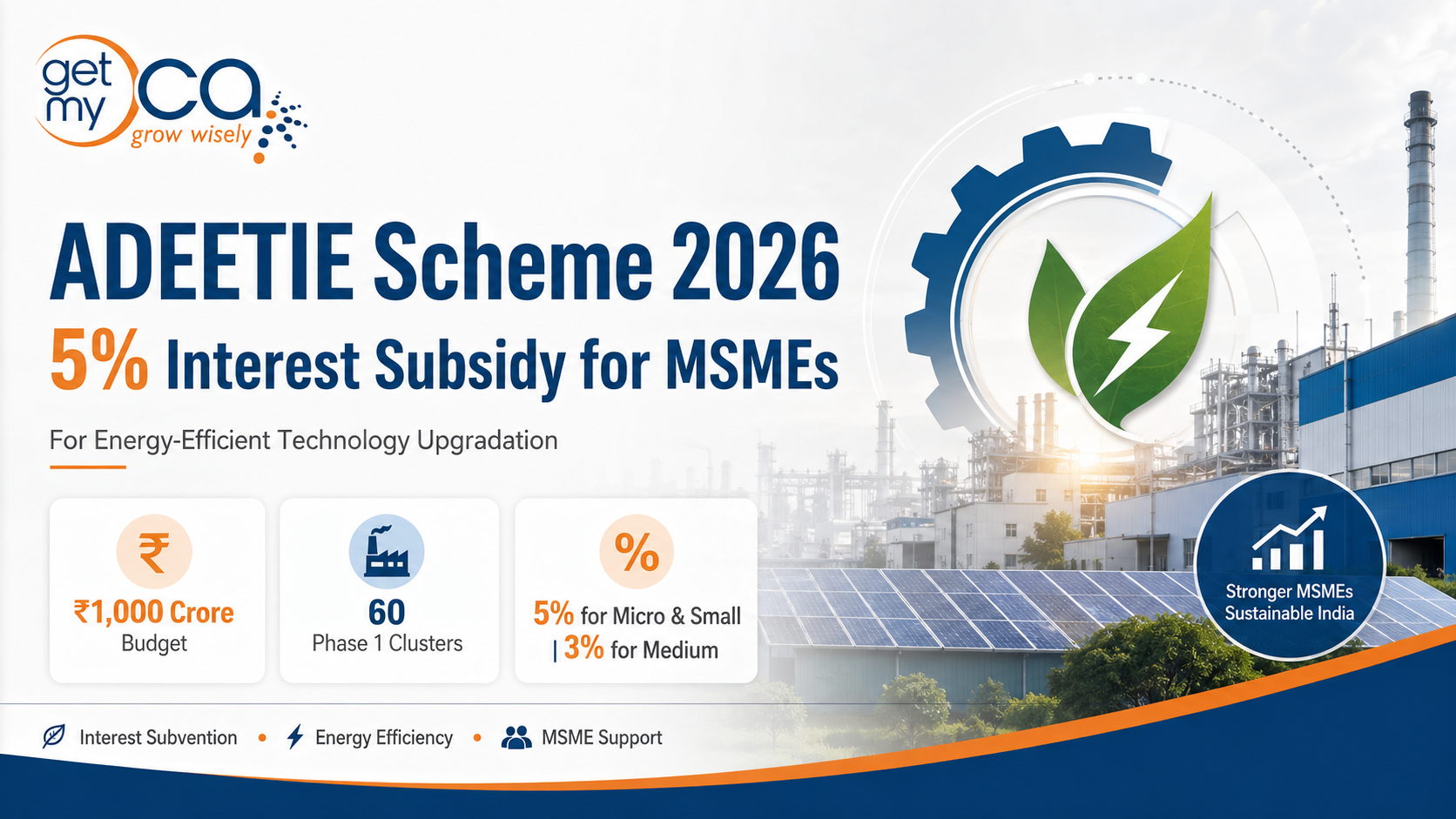
For many small and medium manufacturers, upgrading machinery becomes necessary after a certain stage of growth. Older equipment may consume more power, need frequent maintenance, or limit production capacity.
The decision to replace or add machinery, however, should not be based only on production needs. The financial impact also needs proper planning.
Start With the Reason for the Upgrade
Before purchasing equipment, a business should clearly understand what it wants to improve.
The objective may be to:
- Increase production capacity
- Reduce electricity consumption
- Improve product quality
- Lower maintenance costs
- Reduce production downtime
- Introduce a new product line
Once the purpose is clear, management can compare the expected benefit with the total cost of the project.
Calculate More Than the Purchase Price
The quoted price of a machine is only one part of the investment.
Other costs may include transportation, installation, electrical modifications, testing, employee training, insurance and financing charges.
Ignoring these expenses can make a project appear cheaper than it actually is.
A complete cost estimate gives the business a better idea of how much funding will be required.
Review Energy-Efficient Upgrade Options
Power consumption can be a major operating cost for manufacturing units.
When replacing old equipment, MSMEs may want to compare not only the purchase price but also the expected energy consumption of the new machinery.
For businesses evaluating energy-efficient equipment, understanding MSME energy-efficient machinery upgrade planning can be useful while reviewing the financial impact of the project.
Any available support should be checked against the actual eligibility conditions before making the investment.
Keep an Eye on GST and Working Capital
Large purchases can also affect a company's GST and cash-flow position.
Manufacturers may pay GST on machinery, raw materials and various business inputs. Depending on the nature of outward supplies and applicable provisions, input tax credit can sometimes accumulate.
Understanding GST refund considerations for manufacturers can help finance teams identify whether accumulated eligible credit requires further review.
A credit balance by itself does not automatically mean that a refund can be claimed. The applicable category, documentation and tax treatment must also be considered.
Do Not Use All Available Cash
One of the biggest risks during expansion is using too much working capital for long-term equipment.
Even after buying machinery, the business still needs money for raw materials, salaries, electricity, transport and other regular expenses.
Management should estimate how much cash will remain after the investment and how long the new machine may take to start producing financial benefits.
Keep the Paperwork Organised
Machinery projects usually involve several documents.
Useful records include:
- Supplier quotations
- Purchase orders
- Tax invoices
- Payment records
- Machinery specifications
- Financing documents
- Installation reports
- Energy-consumption information
Keeping these records organised from the beginning can make future financial, tax and compliance reviews easier.
Final Thoughts
Machinery upgrades can improve productivity, but they should be treated as a complete business investment.
MSMEs should compare the total project cost, energy savings, working-capital impact, GST position and expected return before placing the order.
A simple financial review at the beginning can help the business make a better investment decision without putting unnecessary pressure on day-to-day cash flow.
For many small and medium manufacturers, upgrading machinery becomes necessary after a certain stage of growth. Older equipment may consume more power, need frequent maintenance, or limit production capacity.
The decision to replace or add machinery, however, should not be based only on production needs. The financial impact also needs proper planning.
Start With the Reason for the Upgrade
Before purchasing equipment, a business should clearly understand what it wants to improve.
The objective may be to:
- Increase production capacity
- Reduce electricity consumption
- Improve product quality
- Lower maintenance costs
- Reduce production downtime
- Introduce a new product line
Once the purpose is clear, management can compare the expected benefit with the total cost of the project.
Calculate More Than the Purchase Price
The quoted price of a machine is only one part of the investment.
Other costs may include transportation, installation, electrical modifications, testing, employee training, insurance and financing charges.
Ignoring these expenses can make a project appear cheaper than it actually is.
A complete cost estimate gives the business a better idea of how much funding will be required.
Review Energy-Efficient Upgrade Options
Power consumption can be a major operating cost for manufacturing units.
When replacing old equipment, MSMEs may want to compare not only the purchase price but also the expected energy consumption of the new machinery.
For businesses evaluating energy-efficient equipment, understanding MSME energy-efficient machinery upgrade planning can be useful while reviewing the financial impact of the project.
Any available support should be checked against the actual eligibility conditions before making the investment.
Keep an Eye on GST and Working Capital
Large purchases can also affect a company's GST and cash-flow position.
Manufacturers may pay GST on machinery, raw materials and various business inputs. Depending on the nature of outward supplies and applicable provisions, input tax credit can sometimes accumulate.
Understanding GST refund considerations for manufacturers can help finance teams identify whether accumulated eligible credit requires further review.
A credit balance by itself does not automatically mean that a refund can be claimed. The applicable category, documentation and tax treatment must also be considered.
Do Not Use All Available Cash
One of the biggest risks during expansion is using too much working capital for long-term equipment.
Even after buying machinery, the business still needs money for raw materials, salaries, electricity, transport and other regular expenses.
Management should estimate how much cash will remain after the investment and how long the new machine may take to start producing financial benefits.
Keep the Paperwork Organised
Machinery projects usually involve several documents.
Useful records include:
- Supplier quotations
- Purchase orders
- Tax invoices
- Payment records
- Machinery specifications
- Financing documents
- Installation reports
- Energy-consumption information
Keeping these records organised from the beginning can make future financial, tax and compliance reviews easier.
Final Thoughts
Machinery upgrades can improve productivity, but they should be treated as a complete business investment.
MSMEs should compare the total project cost, energy savings, working-capital impact, GST position and expected return before placing the order.
A simple financial review at the beginning can help the business make a better investment decision without putting unnecessary pressure on day-to-day cash flow.

 English
 French
 Spanish
 Portuguese
 Deutsch
 Turkish
 Dutch
Dutch
 Italiano
 Russian
 Romaian
 Portuguese (Brazil)
 Greek
Greek
