


 About Urh Social
 Terms of Service
 Privacy Policy
 Contact
What Manufacturers Should Check Before Importing or Buying New Machinery
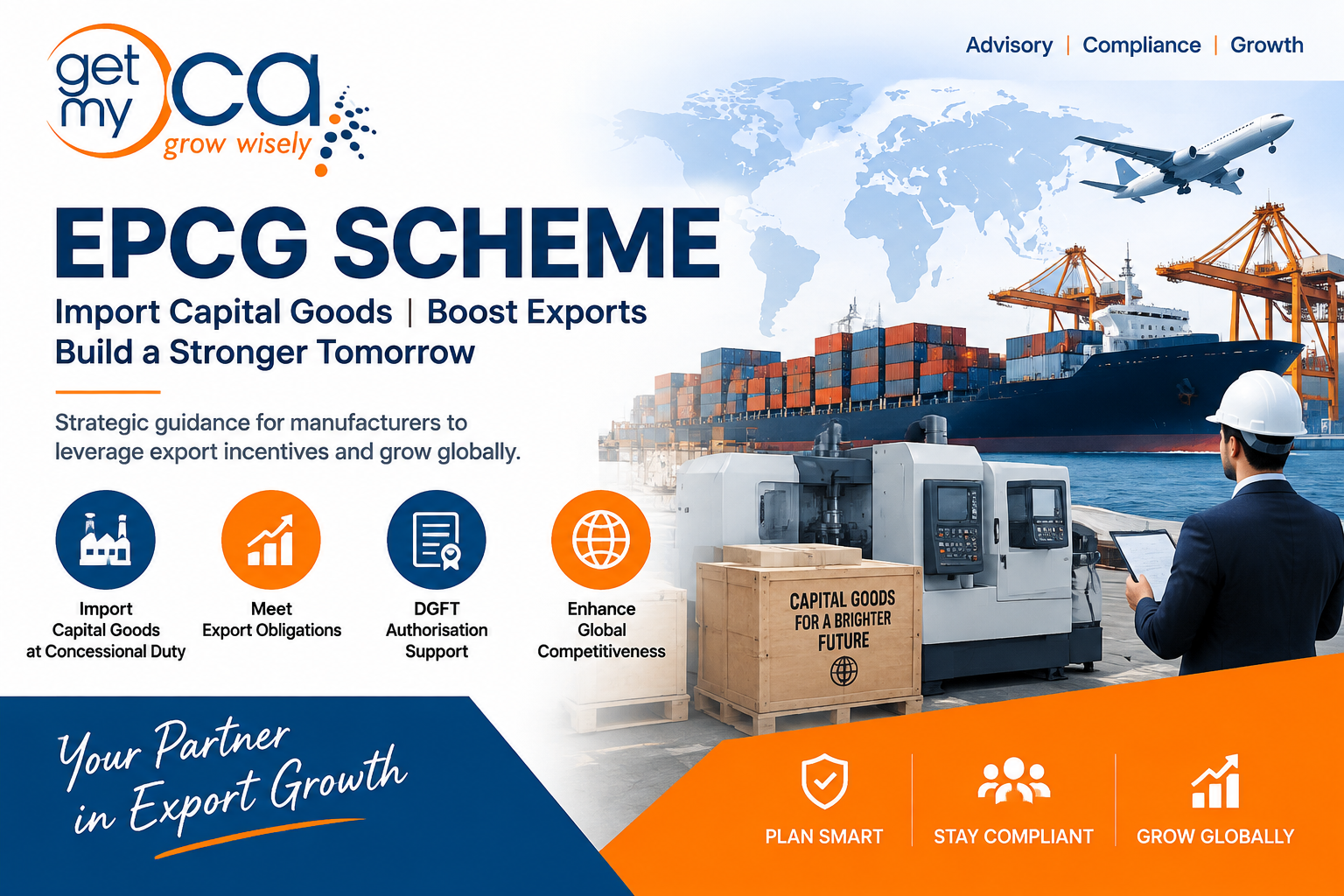
When a manufacturing business plans to add new machinery, the purchase decision usually affects more than production capacity. The source of the equipment, tax treatment, financing, documentation and implementation schedule can all influence the overall project.
Before placing an order, it helps to first define what the machinery is expected to achieve. Some businesses invest to increase capacity, while others may be replacing older equipment or introducing a new production process.
Imported Machinery Needs Early Planning
Importing capital equipment involves additional documentation and compliance compared with a normal domestic purchase.
Manufacturers considering capital goods imports under the EPCG framework should understand the applicable conditions before the machinery is imported. Reviewing the process early can be useful because decisions taken at the purchase stage may affect documentation and compliance requirements later.
Businesses can keep records such as:
- Machinery specifications
- Supplier quotation
- Purchase agreement
- Import documents
- Financing details
- Installation schedule
- Production plans
Having these documents organised can make the project easier to review internally.
GST Should Also Be Reviewed Before Purchase
Machinery purchases can involve a substantial amount of GST, particularly when a business is making a major capital investment.
For export-oriented businesses, the position may require additional attention. Understanding GST implications for EOU machinery investment can help finance teams examine how machinery-related taxes interact with input tax credit and the business's overall GST position.
The treatment should be based on the actual transaction and applicable provisions rather than assuming that every GST balance will automatically result in a refund.
Look at the Complete Investment
Before completing a machinery purchase, management can review:
- Total equipment cost
- Domestic versus imported sourcing
- Financing requirements
- GST impact
- Expected production increase
- Installation timeline
- Import documentation
- Working-capital requirements
- Applicable compliance conditions
This type of review allows the business to understand the full financial and operational impact of the investment instead of focusing only on the purchase price.
Good planning at the beginning can also reduce the risk of missing important documents once the machinery has already been ordered or installed.

 Arabic
 French
 Spanish
 Portuguese
 Deutsch
 Turkish
 Dutch
Dutch
 Italiano
 Russian
 Romaian
 Portuguese (Brazil)
 Greek
Greek
