


 About Urh Social
 Terms of Service
 Política de privacidade
 Contact
How Manufacturers Can Prepare Better Before a Major Machinery Investment
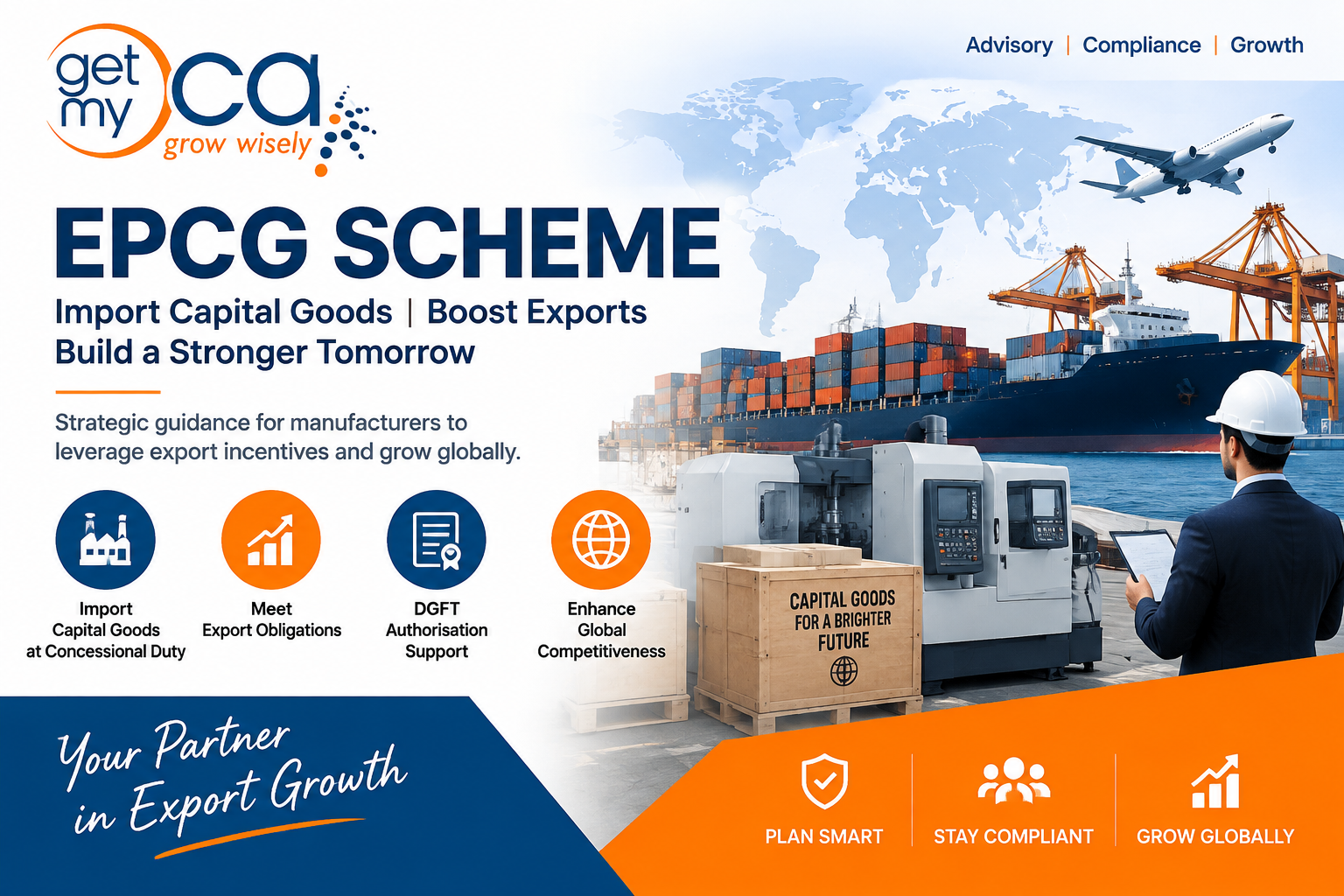
A new machinery purchase can improve production, reduce downtime and support business growth. But for many manufacturers, the real challenge is not selecting the machine—it is planning the complete investment properly.
Before placing an order, businesses should review production requirements, financing, operating costs, documentation and any conditions connected with the project.
Start With the Reason for the Investment
A machinery purchase should solve a clear business problem.
The company may want to:
- Increase production capacity
- Replace ageing equipment
- Improve product quality
- Reduce energy consumption
- Lower maintenance costs
- Meet new technical requirements
- Support export growth
Once the objective is clear, manufacturers can compare equipment based on actual requirements rather than choosing only on price.
Pharmaceutical Upgrades Need Wider Planning
For pharmaceutical manufacturers, modernisation can involve much more than one production machine.
A project may include testing equipment, utilities, quality-control systems, production areas or other improvements required for the facility.
Businesses preparing such investments can review RPTUAS provisions for pharma technology upgrades while evaluating the project.
Looking at the relevant conditions before major spending begins can help businesses understand the possible documentation and eligibility requirements instead of trying to review everything after the investment has already been made.
Export Growth Can Affect Machinery Decisions
Manufacturers planning to increase exports may also need to think about how capital goods purchases fit into their export strategy.
Understanding EPCG rules for capital goods and export planning can be useful when a business is evaluating machinery linked with future export production.
Areas such as equipment eligibility, authorisation requirements, documentation and export obligations should ideally be considered before the transaction is completed.
Compare the Complete Cost of Equipment
Purchase price alone does not show the real cost of machinery.
Manufacturers should also compare:
- Electricity consumption
- Installation expenses
- Maintenance requirements
- Expected production output
- Spare-part availability
- Financing costs
- Expected useful life
A machine that costs more initially may sometimes prove more economical over several years if it consumes less energy or requires fewer repairs.
Keep the Paperwork From the Beginning
Documentation should start at the planning stage.
Useful records may include:
- Supplier quotations
- Technical specifications
- Purchase orders
- Tax invoices
- Payment records
- Installation documents
- Financing papers
- Import documents, where applicable
Maintaining these records throughout the project can make later financial, compliance and scheme-related reviews easier.
Review Cash Flow Before Committing Funds
Large machinery purchases can affect working capital even when the investment is financed.
Businesses should consider not only the machine price but also installation, interest costs, additional raw material requirements and possible production downtime.
A realistic cash-flow review can help management understand whether the business can comfortably handle the investment.
Final Thoughts
Good machinery planning begins before the purchase order is issued.
Manufacturers should review the purpose of the investment, long-term operating costs, financing, documentation and future production plans before committing significant funds.
Taking these steps early can help businesses make more practical investment decisions and manage expansion projects with greater clarity.

 English
 Arabic
 French
 Spanish
 Portuguese
 Deutsch
 Turkish
 Dutch
Dutch
 Italiano
 Russian
 Romaian
 Greek
Greek
