


 About Urh Social
 Terms of Service
 Privacy Policy
 Contact
Muriatic Acid for Pools: What It Does, When to Use It, and Safety Tips
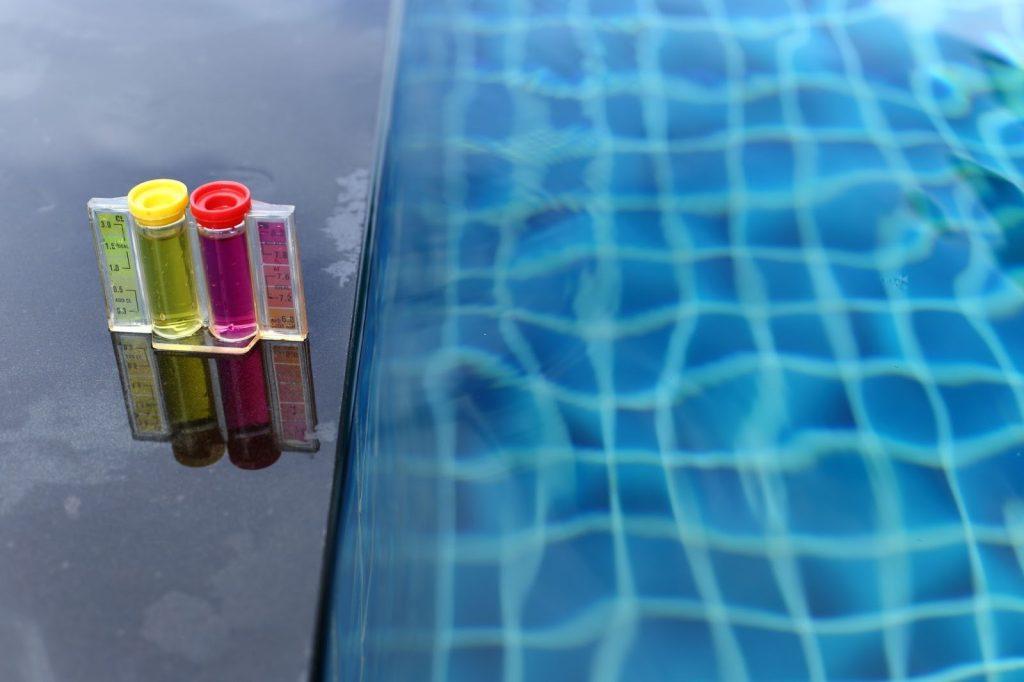
Maintaining balanced pool water requires more than keeping the surface clean and removing visible debris. Chemical balance plays an important role in swimmer comfort, effective sanitation, and protecting pool surfaces and equipment. Muriatic acid pool treatments are commonly used when pH or total alkalinity needs to be reduced. Because muriatic acid is highly corrosive, it should always be handled carefully and used according to reliable testing and product instructions. Understanding what it does and when it is appropriate can help pool owners avoid unnecessary chemical problems.
What Does Muriatic Acid Do in a Pool?
Muriatic acid is a form of hydrochloric acid used in swimming pools primarily to lower high pH and, when appropriate, reduce total alkalinity. When pool water becomes too basic, it can contribute to scale formation, cloudy water, and reduced effectiveness of chlorine. Adding the correct amount of acid can bring the water closer to its recommended chemical balance. However, acid should never be added simply because the water looks cloudy or unusual. A reliable test should confirm that pH or alkalinity actually needs to be lowered.
The effect of muriatic acid depends on the pool's current chemistry, water volume, and the amount of product added. It can lower pH relatively quickly, while repeated or larger adjustments can also reduce total alkalinity. This is why careful dosing is important. Adding too much can cause the pH to drop excessively and potentially create conditions that contribute to corrosion or surface damage. Pool owners should always follow the product label and use measurements appropriate for their specific pool rather than relying on a general amount.
When Should You Use Muriatic Acid?
The best time to use muriatic acid is when water testing shows that the pool's pH is too high or when a controlled reduction in total alkalinity is necessary. High pH can make water less comfortable for swimmers and can contribute to scaling and other maintenance concerns. Testing before treatment provides a clear indication of whether acid is actually needed. If the pH is already appropriate, adding acid could create an unnecessary imbalance. Chemical adjustments should always be based on measured conditions rather than assumptions.
Total alkalinity also affects how easily pool pH changes over time. When alkalinity is excessively high, pH may become difficult to lower and can tend to rise again after adjustment. A controlled acid treatment can help reduce alkalinity, but the process may require patience and repeated testing. The objective should be to achieve stable water chemistry rather than making a dramatic change in one treatment. If you are unfamiliar with alkalinity adjustment, professional pool testing can provide useful guidance before adding a strong acid.
Muriatic Acid and Pool Alkalinity
One important point for beginners is that muriatic acid does not increase alkalinity in pool water. Instead, it generally lowers both pH and total alkalinity. If testing shows that you need to increase alkalinity in pool water, a different chemical approach is normally required. Pool owners often confuse pH with alkalinity because the two measurements influence each other. Understanding their separate functions makes chemical maintenance much easier and helps prevent the wrong product from being added.
Total alkalinity acts as a buffer that helps resist sudden changes in pH. When alkalinity is too low, the pool may experience unstable pH that changes more easily. A suitable alkalinity increaser, commonly based on sodium bicarbonate, may be used when testing confirms that alkalinity needs to rise. The exact amount should depend on the pool's volume and current test results. Rather than adding chemicals based on guesswork, measure the water first and make gradual adjustments according to the product's directions.
How to Test Before Adding Acid
Water testing should be the starting point for any chemical adjustment. At minimum, homeowners should monitor pH and total alkalinity and maintain appropriate sanitizer levels for their pool system. Other measurements, such as calcium hardness or salt concentration, may also be relevant depending on the type of pool. A quality test kit can provide useful routine information, while professional testing may be helpful when results are confusing or problems persist. Testing prevents unnecessary chemical additions and provides a clearer picture of what the water actually needs.
Keep a simple record of your test results and chemical adjustments whenever possible. Tracking changes can help identify patterns, such as pH repeatedly rising after treatment or alkalinity gradually moving outside the desired range. These patterns may point to underlying maintenance issues that need to be addressed. Consistent testing also makes it easier to determine whether a treatment worked as expected. Good recordkeeping is especially useful for homeowners who maintain larger pools or manage water chemistry throughout changing seasons.
How to Handle Muriatic Acid Safely
Muriatic acid is corrosive, so safety precautions are essential whenever it is handled. Use the protective equipment recommended on the product label, including suitable gloves and eye protection, and work in a well-ventilated outdoor area. Avoid breathing fumes directly and keep your face away from the container when opening it. Children and pets should remain away from the treatment area. Reading the product label and safety information before use is an important part of responsible chemical handling.
Never mix muriatic acid with chlorine or other incompatible pool chemicals. Combining acids with chlorine products can produce dangerous gases and create a serious health hazard. Keep the acid in its original, properly labeled container and store it according to the manufacturer's instructions. Store incompatible chemicals separately and protect containers from conditions that could cause leaks or damage. Safe storage is just as important as safe application because accidental chemical mixing can occur during routine maintenance.
How to Add Muriatic Acid to Pool Water
Before adding acid, determine the appropriate quantity using the pool's water volume, test results, and the manufacturer's dosing instructions. Avoid estimating the amount based on how cloudy or uncomfortable the water appears. Different products may have different concentrations, so a dosage that works for one product may not be appropriate for another. When there is uncertainty about the amount required, professional advice is preferable to guessing. Careful measurement helps prevent over-treatment and unnecessary chemical fluctuations.
Follow the product's instructions for application and circulation. Avoid splashing the acid and never pour concentrated product directly onto pool equipment or surfaces where localized damage could occur. Keep swimmers out of the pool during chemical treatment and follow the manufacturer's guidance regarding when the water can safely be used again. Allow the circulation system to distribute the chemical properly before retesting. Making gradual adjustments is generally safer than attempting to correct a large imbalance all at once.
Common Muriatic Acid Mistakes to Avoid
One common mistake is adding muriatic acid without testing the water first. Another is assuming that more acid will produce faster results. Excessive acid can push pH too low, potentially creating corrosive water and damaging pool components over time. Pool owners should also avoid repeatedly adding acid whenever pH rises without investigating the underlying reason. Persistent changes may be connected to alkalinity, aeration, water replacement, or other aspects of pool chemistry.
Another serious mistake is storing acid near chlorine products or other incompatible chemicals. Even without intentionally mixing them, leaks or spills can create dangerous reactions. Chemical containers should remain tightly closed, clearly labeled, and stored in an appropriate location. Never transfer muriatic acid into an unmarked bottle or container that could be mistaken for another product. Following these basic precautions can significantly reduce the risk associated with storing and using corrosive pool chemicals.
When Professional Pool Service Is a Better Choice
Some homeowners are comfortable performing basic water testing and routine maintenance, but chemical balancing can become complicated when readings repeatedly move outside the desired range. If pH or alkalinity remains difficult to control, professional pool service can help identify the reason. A trained technician can evaluate water chemistry, circulation, filtration, and other equipment that may influence water quality. This approach can be more effective than repeatedly adding chemicals without understanding why the imbalance keeps returning.
Professional assistance is also appropriate when a homeowner is uncomfortable handling corrosive chemicals. There is no need to take unnecessary risks simply to perform routine maintenance independently. Experienced pool technicians can measure water conditions, determine the appropriate treatment, and handle chemicals using established safety procedures. Professional service may also be useful when cloudy water, scaling, staining, or recurring chemical problems appear alongside high pH. Addressing the underlying issue can help maintain healthier water and protect the pool investment.
Final Safety Tips for Pool Owners
Muriatic acid can be an effective tool for lowering high pH and controlling alkalinity when used correctly. However, it is not a universal solution for every pool water problem, and it should never be used to increase alkalinity in pool water. Always test before treating, measure carefully, wear appropriate protective equipment, and follow the product's instructions. Keep acid away from chlorine and other incompatible chemicals at all times. When water chemistry is confusing or safety is a concern, professional assistance can provide a safer alternative.
Successful pool maintenance depends on consistency, accurate testing, and careful chemical handling. Understanding the difference between pH and alkalinity makes it easier to choose the appropriate treatment and avoid unnecessary adjustments. Muriatic acid can help bring high pH or alkalinity under control, but using too much can create new problems. By making measured adjustments and monitoring the water afterward, homeowners can maintain better balance while protecting swimmers and pool equipment. Safe chemical practices should always remain a priority whenever strong pool chemicals are involved.

 English
 Arabic
 French
 Spanish
 Portuguese
 Deutsch
 Turkish
 Dutch
Dutch
 Italiano
 Russian
 Portuguese (Brazil)
 Greek
Greek
