


 About Urh Social
 Terms of Service
 Privacy Policy
 Contact
Fiber Cement vs Engineered Wood Siding for San Antonio Humidity and Pest Resistance
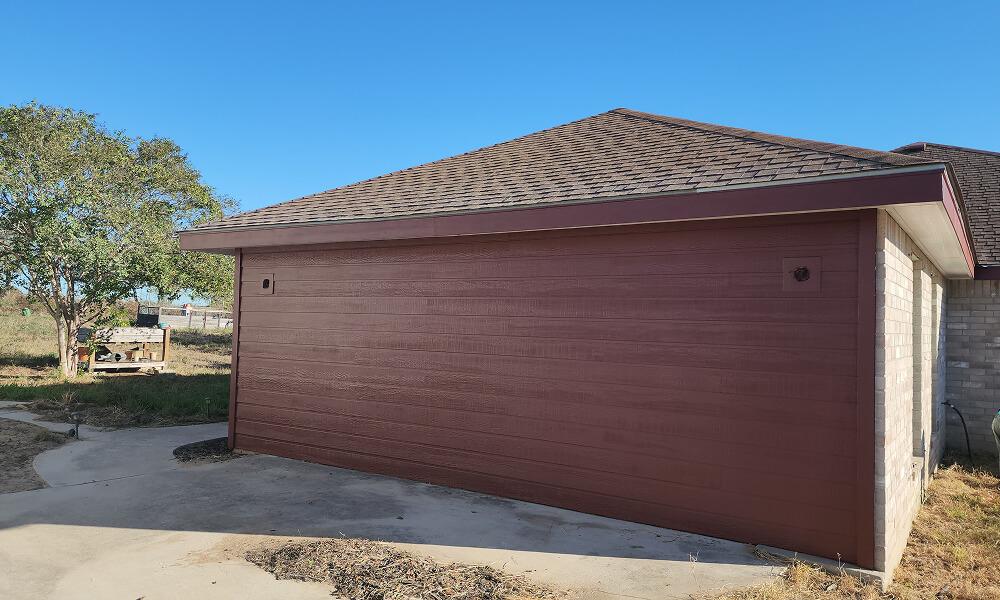
San Antonio’s climate presents a double threat to home exteriors: intense summer heat paired with high humidity levels and a thriving local population of wood-boring pests, including subterranean termites and carpenter ants. When planning a siding replacement, choosing between fiber cement (such as James Hardie) and engineered wood (such as LP SmartSide) comes down to performance under continuous moisture and pest exposure.
Performance Comparison: Fiber Cement vs. Engineered Wood
| Evaluation Category | Fiber Cement Siding | Engineered Wood Siding |
| Material Composition | Portland cement, sand, cellulose fibers, and water. | Real wood strands/fibers bound with resins and zinc borate. |
| Humidity & Moisture Resistance | Superior: Non-porous mix does not absorb moisture, rot, swell, or warp during humid stretches or heavy downpours. | Good: Treated with waxes and resins to resist moisture, but exposed edges can swell if sealants fail. |
| Termite & Pest Resistance | Impervious: Contains no organic wood material for pests to consume; termites and carpenter ants completely ignore it. | High: Treated with zinc borate, an effective bug deterrent, though it still contains real wood fibers. |
| Fire & Heat Rating | Class A (Non-Combustible): Will not ignite or fuel a fire during hot Texas dry spells. | Combustible: Treated to resist flame spread, but ultimately made of wood products. |
| Impact Resistance | Moderate to High: Highly rigid, but can crack under direct heavy impact (e.g., severe hail). | High: Slightly flexible strand structure absorbs impact from hail and debris well without cracking. |
| Weight & Workability | Heavy and rigid; requires specialized tools and multi-person crews to install. | Lighter in weight; cuts like traditional lumber, making installation faster and less labor-intensive. |
1. Resistance to San Antonio Humidity & Rot
South Texas humidity creates ideal conditions for wood decay and paint failure when moisture penetrates siding seams.
-
Fiber Cement: Because it is primarily a cementitious product, fiber cement does not rot, swell, or buckle when exposed to sustained humidity or rain. It maintains dimensional stability through temperature and moisture fluctuations, preventing paint joints from cracking over time.
-
Engineered Wood: Engineered wood relies on advanced resins and waxes to shield its wood strands from water absorption. While highly effective, it requires strict adherence to installation details—such as sealing all field-cut edges—to prevent moisture from entering untreated core areas over time.
2. Protection Against Local Pests
Central Texas is a high-risk zone for subterranean termites, which cause millions of dollars in structural damage annually.
-
Fiber Cement: Pests cannot digest cement and silica. Termites, carpenter ants, and woodpeckers bypass fiber cement entirely, making it an optimal choice for zero-maintenance pest defense along ground-level exposures.
-
Engineered Wood: Manufacturers infuse engineered wood with zinc borate, a mineral additive proven to deter termites and fungal decay. While it effectively repels insects, the base material remains wood fiber, making proper ground-clearance (at least 6 inches above soil) critical during installation.
Key Takeaway for Homeowners
Both materials outperform traditional wood and vinyl siding in South Texas, but fiber cement offers the highest baseline defense against moisture-induced rot and termite infestation without relying on chemical treatments. Engineered wood provides superior impact resistance against hail and offers easier installation, provided all cut edges remain completely sealed against humidity.

 English
 Arabic
 French
 Spanish
 Portuguese
 Deutsch
 Turkish
 Dutch
Dutch
 Russian
 Romaian
 Portuguese (Brazil)
 Greek
Greek
