


 About Urh Social
 Terms of Service
 سياسة الخصوصية
 Contact
How Is Mole Removal in Dubai Chosen for Dark Skin?
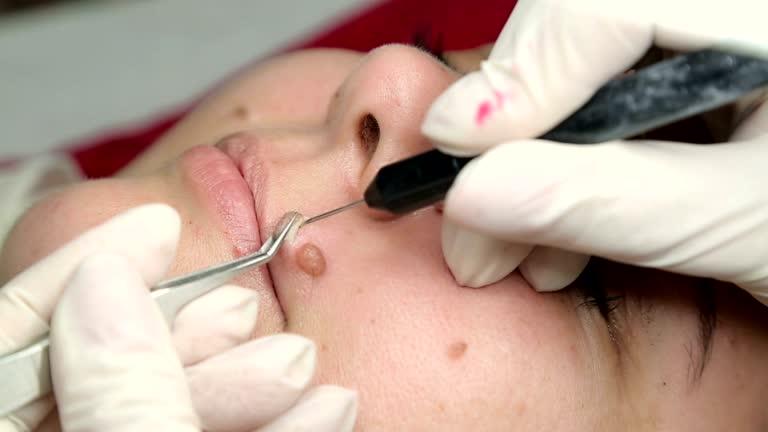
Choosing Mole Removal in Dubai for darker skin requires more than deciding how to remove the visible lesion. The clinician must consider what the mole looks like, whether it needs diagnostic assessment, its depth and location, and how the surrounding skin may respond to injury. For people prone to pigmentation changes or raised scars, treatment planning should be particularly individualized.
Dark skin is not a single skin type. People with medium, brown, or deep complexions can have very different responses to procedures, so the safest approach is based on the individual rather than skin color alone.
Why Does Skin Tone Matter During Mole Removal?
The skin produces melanin, the pigment responsible for skin color. When skin is injured or inflamed, melanin production can sometimes increase, creating a darker area known as post-inflammatory hyperpigmentation (PIH). This can be particularly noticeable in medium-to-dark skin tones.
A procedure can therefore have two separate cosmetic considerations: removing the mole itself and minimizing unwanted changes in the surrounding skin.
Some individuals may also be more prone to hypopigmentation, where an area becomes lighter than the surrounding skin. Skin injury and certain cosmetic procedures can contribute to these pigment changes.
The objective is not simply to remove the mole aggressively. It is to select an appropriate technique while preserving as much healthy surrounding skin as reasonably possible.
What Factors Determine the Best Mole Removal Approach?
A clinician may consider several factors before choosing a technique.
| Consideration | Why It Matters | Treatment Planning Implication |
|---|---|---|
| Mole appearance | Some lesions require further assessment | Diagnosis takes priority over cosmetic removal |
| Mole depth | Deeper lesions may require a different approach | Technique is selected according to lesion characteristics |
| Skin pigmentation | Pigment changes can become more visible | Conservative, individualized treatment planning |
| Previous scarring | Past raised scars can indicate increased risk | Scar history should be discussed before treatment |
| Location | Face, eyelids, nose, and other visible areas require precision | Cosmetic outcome becomes an important consideration |
| Sun exposure | UV and visible light can worsen pigmentation | Consistent sun protection becomes important |
| Previous reaction to procedures | Shows how the skin has responded to injury | May influence technique and aftercare |
There is no universally “best” mole removal technique for every person with dark skin.
Does Darker Skin Increase the Risk of Dark Marks?
It can. PIH commonly develops after inflammation or injury, and darker skin may show these changes more prominently. The AAD notes that wounds and other forms of skin injury can trigger dark spots in people with darker skin tones.
This does not mean that mole removal should be avoided.
Instead, it means that the clinician should consider the patient's pigmentation history before treatment. Someone who regularly develops dark marks after acne, cuts, burns, or cosmetic procedures may require particularly careful planning.
Sun protection also matters after treatment. UV exposure can contribute to pigmentation, while visible light can also worsen hyperpigmentation in darker skin.
For someone living in Dubai, where strong sunlight and outdoor exposure are part of everyday life, post-procedure sun protection should be treated as part of the recovery plan rather than an optional cosmetic step.
Can Mole Removal Cause a Lighter Spot?
Yes, although this does not happen to everyone.
Hypopigmentation occurs when an area produces less pigment than the surrounding skin. After skin injury or certain procedures, the treated area may temporarily or sometimes persistently appear lighter. This contrast can be more noticeable against brown or black skin.
The possibility should be discussed during consultation, particularly when the mole is located on a highly visible area such as the cheek, nose, forehead, lips, or neck.
The goal is to balance complete and appropriate treatment of the lesion with the smallest reasonable impact on surrounding skin.
How Does the Mole Itself Affect Technique Selection?
Skin tone is only one part of the decision.
The clinician must first determine what type of lesion is being treated. A mole that is stable, symmetrical, and clinically benign may be approached differently from a lesion showing concerning changes.
Warning signs can include:
- Asymmetry
- Irregular or poorly defined borders
- Multiple or changing colors
- Increasing diameter
- Evolution in size, shape, color, or symptoms
- Persistent itching or bleeding
If a mole appears suspicious, the priority should be appropriate medical assessment rather than simply achieving the fastest cosmetic removal.
This distinction is especially important because the removal technique should not compromise the ability to diagnose a potentially significant lesion.
Is Excision Different for Dark Skin?
Surgical excision removes the lesion using a controlled surgical technique and may be appropriate for certain moles depending on their characteristics.
For someone prone to raised scars, however, the clinician should consider their previous scarring history before performing any procedure that creates a wound. Keloids can occur after skin injury, and people with darker skin tones and those with a personal or family history of keloids may have a higher risk.
That does not mean excision is automatically unsuitable for dark skin.
It means the consultation should include questions such as:
“Have you ever developed a raised scar?”
“Did previous cuts or surgical wounds heal with thickened tissue?”
“Does anyone in your family develop keloids?”
These details can be clinically relevant when planning a procedure.
What About Shave Removal?
A shave technique removes a raised lesion using a controlled superficial procedure. Whether it is suitable depends on the lesion's characteristics and the clinician's assessment.
For darker skin, the same pigmentary considerations still apply. The procedure creates controlled skin injury, and any resulting inflammation can potentially contribute to pigmentation changes.
Therefore, choosing a technique simply because it appears less invasive is not enough. The clinician must determine whether it is medically appropriate for the particular mole.
Should Laser Be Used to Remove a Mole on Dark Skin?
Laser treatment should not automatically be considered the preferred method for a pigmented mole.
When a lesion needs diagnostic evaluation, preserving appropriate tissue for examination may be more important than eliminating its visible pigment. A dermatologist should determine whether a lesion is appropriate for a particular device-based treatment.
More broadly, the AAD notes that darker skin can be more susceptible to burns and dark marks after laser procedures, making appropriate device selection and practitioner experience important.
For this reason, people with darker skin should not choose a procedure solely because it is marketed as “scar-free” or “laser-based.”
Does the Location of the Mole Matter?
Yes.
A mole on the face may have different cosmetic considerations from one on the back, shoulder, chest, or leg. Facial skin is highly visible, so even a small change in pigmentation or texture may be noticeable.
Certain areas also experience more movement, friction, or exposure to sunlight.
For facial mole removal, treatment planning may therefore consider:
- Exact anatomical location
- Mole size and depth
- Skin pigmentation
- Previous scarring
- Cosmetic expectations
- Likelihood of visible pigment changes
- Whether diagnostic tissue examination is required
The aim should be a medically appropriate removal strategy rather than simply the smallest possible procedure.
How Should Dark Skin Be Prepared Before Mole Removal?
Preparation depends on the individual and the planned procedure.
During consultation, tell the clinician about:
- Previous hyperpigmentation after injuries
- Previous hypopigmentation
- A history of keloids or raised scars
- Previous cosmetic procedures and their results
- Current skincare products
- Relevant medications
- Recent sun exposure or tanning
- Any recent change in the mole
If the surrounding skin is irritated, inflamed, or sunburned, treatment planning may need to be adjusted.
Do not attempt to lighten or chemically alter the mole yourself before an examination. A changing or suspicious lesion should be evaluated professionally rather than cosmetically modified at home.
What Is the Importance of Aftercare in Dark Skin?
Aftercare can influence how the treated area heals and how noticeable pigmentation changes become.
Following the clinician's instructions may include:
- Keeping the treated area appropriately clean.
- Avoiding unnecessary picking, scratching, or friction.
- Following wound-care instructions carefully.
- Protecting the area from excessive sun exposure.
- Using recommended sun protection once appropriate for the wound.
- Reporting unusual inflammation, infection, or changes in healing.
Sun protection deserves particular attention. The AAD recommends sunscreen for people of all skin tones, and notes that visible light can contribute to hyperpigmentation in darker skin.
In Dubai's bright climate, consistent protection can be particularly useful during the recovery period.
What Should You Ask Before Mole Removal in Dubai?
A consultation should be specific to your mole rather than based only on a treatment menu.
Useful questions include:
- Does this mole need medical assessment before removal?
- What removal technique is appropriate for its depth and location?
- Will the removed tissue need laboratory examination?
- Am I prone to post-inflammatory hyperpigmentation?
- Have my previous scars shown any tendency toward keloids?
- What pigment changes should I realistically expect?
- How should I protect the area from Dubai's sun?
- What signs would indicate an abnormal healing response?
Asking these questions helps shift the focus from simply “removing a mole” to choosing an appropriate clinical strategy.
Can Mole Removal Be Safe for Brown or Dark Skin?
Yes, mole removal can be performed in people with darker skin, but the procedure should be individualized.
The important distinction is that darker skin does not automatically make a person unsuitable for treatment. Instead, pigmentation response, scarring history, lesion characteristics, location, and diagnostic requirements should all be considered.
Professional experience with skin of color is particularly valuable when procedures can produce inflammation or pigment alteration. The AAD similarly emphasizes specialist experience when performing procedures on darker skin because pigmentary complications can be more noticeable.
For patients researching mole removal treatment in Dubai, the most useful question is not simply which procedure is cheapest or fastest. It is whether the proposed technique matches the lesion and the patient's individual skin characteristics.
Frequently Asked Questions
Is mole removal different for dark skin?
The basic medical principles remain the same, but the clinician may pay additional attention to pigmentation and scarring because these changes can be more visible in darker skin.
Can mole removal leave a dark mark?
It can. Skin injury may trigger post-inflammatory hyperpigmentation, particularly in people who are prone to dark marks.
Can mole removal leave a white mark?
A lighter area can develop after skin injury or certain procedures. This is known as hypopigmentation and may be temporary or persistent depending on the circumstances.
Are people with dark skin more likely to develop keloids?
Some people with darker skin have an increased risk of keloid formation, particularly when they also have a personal or family history of keloids. However, darker skin does not mean that everyone will develop one.
Should a suspicious mole be removed cosmetically?
A suspicious mole should first receive appropriate medical assessment. The priority is to determine whether diagnostic evaluation or biopsy is needed before deciding on cosmetic treatment.
Is laser always better for dark skin?
No. Laser is not automatically the best choice for every mole, and pigmented lesions require appropriate clinical assessment. Device-based procedures can also carry pigmentary risks in darker skin.
What is the biggest mistake to avoid?
Trying to remove a mole yourself is one of the biggest mistakes. Home removal can cause scarring, infection, and—more importantly—delay appropriate evaluation of a potentially suspicious lesion.
The Strategic Investment
Choosing Mole Removal in Dubai for dark skin should be viewed as a clinical decision rather than a one-size-fits-all cosmetic procedure. The best approach considers the mole itself, the patient's pigmentation and scarring history, the treatment location, diagnostic requirements, and realistic healing expectations.
For patients considering professional evaluation, Tajmeels Clinic can be considered as part of the process of discussing appropriate aesthetic and medical treatment options in Dubai.

 English
 French
 Spanish
 Portuguese
 Deutsch
 Turkish
 Dutch
Dutch
 Italiano
 Russian
 Romaian
 Portuguese (Brazil)
 Greek
Greek
