


 About Urh Social
 Terms of Service
 Πολιτική Ιδιωτικότητας
 Contact
How Manufacturers Can Evaluate Machinery Procurement Before a Major Expansion
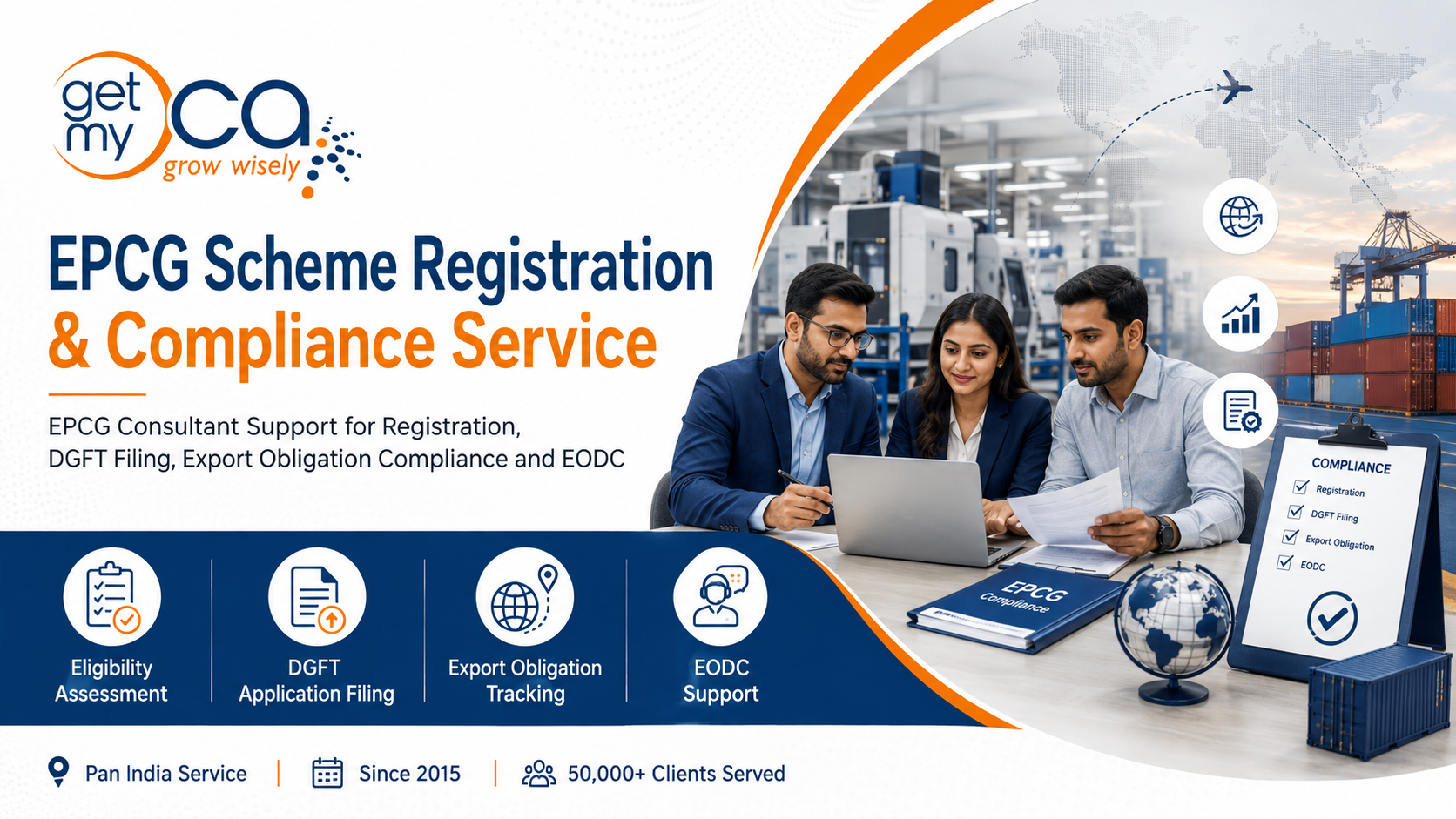
Expansion projects often require substantial investment in production machinery. A manufacturer may be adding capacity, introducing automation, replacing older equipment or establishing an entirely new production line.
For export-oriented businesses, however, machinery procurement involves more than selecting a supplier and negotiating the purchase price. Customs treatment, GST implications, production forecasts and future export commitments can all influence how the investment should be planned.
Why Machinery Procurement Should Start With Commercial Planning
Before choosing between domestic and imported equipment, manufacturers should first understand what the new machinery is expected to achieve.
Important questions may include:
- How much additional production capacity will be created?
- Will the machinery support existing products or a new product line?
- Is the additional production intended for domestic or export markets?
- What is the total acquisition and installation cost?
- How quickly can the equipment become operational?
- Are there any regulatory implications connected with the procurement route?
For exporters evaluating significant equipment purchases, machinery purchase planning under EPCG can form part of this broader assessment before the final purchase order is issued.
Imported and Domestic Equipment May Have Different Implications
The commercial decision between imported and domestically manufactured machinery often depends on technology, price, availability and after-sales support.
Imported machinery may involve customs duties, freight, insurance, foreign exchange movements and longer delivery schedules.
Domestic equipment, on the other hand, may provide easier servicing and shorter procurement timelines but can involve its own GST and documentation considerations.
Total Cost Matters More Than Invoice Value
Manufacturers should compare the complete project cost instead of comparing only supplier quotations.
The total cost may include:
- machinery price;
- freight and logistics;
- customs duties where applicable;
- GST implications;
- installation expenses;
- testing and commissioning; and
- future maintenance requirements.
A lower initial purchase price does not necessarily mean that one procurement route will be more economical over the life of the equipment.
GST Treatment Should Be Reviewed Separately
Machinery purchases can involve significant GST amounts, particularly where high-value industrial equipment is being acquired.
However, businesses should not assume that GST paid on every machinery purchase automatically becomes refundable.
The tax treatment depends on the nature of the transaction and the applicable provisions. Manufacturers evaluating domestic procurement connected with EPCG may therefore need to understand GST refund considerations for EPCG-linked domestic machinery before structuring the transaction.
Why Export Projections Matter
Where machinery procurement is connected with an export-linked framework, future export performance becomes an important part of the investment decision.
A manufacturer may have the technical capacity to increase production substantially after installing new equipment, but this capacity should ideally be supported by realistic export expectations.
Existing overseas customers, historical export performance, confirmed orders and expected international demand can all help businesses evaluate whether the proposed investment is commercially sustainable.
Documentation Should Be Organised Early
Large machinery purchases often generate multiple documents, including technical specifications, quotations, purchase orders, invoices and installation records.
Organising this information from the beginning can simplify later regulatory and commercial reviews.
This becomes especially important when an expansion involves several machines, multiple suppliers or phased installation.
Conclusion
Machinery procurement should ideally be treated as part of a broader capital-investment strategy rather than as an isolated purchase.
Manufacturers can make better decisions by evaluating production requirements, procurement costs, GST implications, export expectations and compliance considerations together before finalising a major equipment order.

 English
 Arabic
 French
 Spanish
 Portuguese
 Deutsch
 Turkish
 Dutch
Dutch
 Italiano
 Russian
 Romaian
 Portuguese (Brazil)
