


 About Urh Social
 Terms of Service
 Política de privacidade
 Contact
How PRP Hair Treatment Supports the Natural Hair Growth Cycle
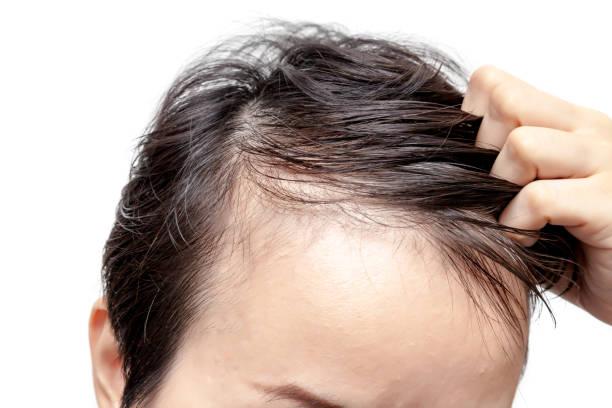
Hair growth is a continuous biological process in which individual follicles move through different stages of activity, rest, and shedding. Changes to this cycle can lead to increased shedding, finer strands, and reduced hair density. Genetics, aging, hormonal fluctuations, stress, and scalp health can all influence how follicles behave. PRP hair treatment in Riyadh is a regenerative approach designed to support existing hair follicles by using concentrated components from the patient’s own blood. Understanding how PRP interacts with the natural hair-growth cycle can help people develop realistic expectations about this treatment.
Understanding the Natural Hair Growth Cycle
Each hair follicle follows a cycle consisting primarily of the anagen, catagen, and telogen phases. The anagen phase is the active growth period, while catagen is a short transitional stage. Telogen is the resting phase, after which the hair may naturally shed and the follicle can begin another cycle. These phases do not occur simultaneously for every follicle, which is why people normally lose some hair while continuing to grow new strands. Disruptions in this cycle can contribute to noticeable thinning or excessive shedding.
What Is PRP Hair Treatment?
PRP, or platelet-rich plasma, is prepared from a small sample of the patient's own blood. The sample is processed to concentrate platelets and growth factors before the resulting plasma is administered into selected areas of the scalp. Platelets contain biological components involved in tissue repair and regenerative signaling. PRP treatment aims to deliver these concentrated components around existing hair follicles, supporting the environment in which hair growth takes place.
How PRP May Support Hair Follicles
The biological signals released by platelets may play a role in tissue repair and cellular activity. When PRP is introduced into targeted scalp areas, the goal is to support the local environment surrounding hair follicles. This may help promote conditions associated with healthier follicular activity and hair production. PRP hair treatment in Riyadh does not create new follicles, but it may help support follicles that remain viable and capable of producing hair.
PRP and the Active Growth Phase
The anagen phase is when hair follicles actively produce hair strands. Maintaining healthy follicular activity during this stage is important for overall hair density and length. PRP has been studied for its potential to support follicular activity and encourage a favorable environment for growth. By targeting areas where thinning has developed, treatment may help improve the appearance of existing hair over time. However, individual responses can differ, and PRP should not be viewed as a guaranteed way to extend the growth phase.
Can PRP Affect Hair Shedding?
Shedding is a normal part of the hair cycle, but excessive or noticeable shedding may indicate that more follicles are entering a resting or shedding stage. PRP may help support the follicular environment in certain types of hair loss, potentially contributing to improvements in the appearance of hair density. It is important to identify why excessive shedding is occurring before selecting treatment. Causes such as stress, nutritional deficiencies, hormonal changes, or underlying scalp concerns may require separate attention.
Who May Benefit From PRP?
PRP may be considered for adults experiencing certain forms of gradual hair thinning where active follicles are still present. People noticing a widening part, reduced crown density, finer strands, or increased shedding may benefit from a professional scalp evaluation. The suitability of PRP depends on the cause and extent of hair loss, follicle condition, and individual goals. A specialist can determine whether the treatment is appropriate and explain what results may realistically be expected.
What Happens During a PRP Session?
A typical session begins with collecting a small amount of blood. The sample is then processed to concentrate the platelet-rich plasma. Once prepared, the PRP is carefully injected into targeted areas of the scalp. The injection sites are selected according to the individual's hair-loss pattern and areas requiring support. Because the procedure does not involve surgically removing or transplanting follicles, it is considered a minimally invasive approach to hair restoration.
Why Results Take Time
The hair-growth cycle explains why PRP results cannot normally be seen immediately. Even when follicles respond positively to treatment, new hair production and changes in strand thickness occur gradually. Some individuals may notice changes in shedding or texture before seeing visible improvements in density. Treatment schedules can vary, and a specialist may recommend multiple sessions followed by monitoring. Patience is important because hair follicles require time to progress through their natural biological cycles.
Factors That Influence the Hair Cycle
The hair-growth cycle can be influenced by many internal and external factors. Genetics and age can affect follicular activity, while hormonal changes, stress, nutritional status, illness, and scalp conditions may also contribute to changes in shedding and growth. Hair-care practices can influence the condition of the visible strands as well. Understanding these factors allows a specialist to develop a more comprehensive approach rather than relying on PRP alone.
Supporting the Hair-Growth Cycle
Healthy daily habits can complement professional hair treatments. Gentle scalp care, appropriate hair products, balanced nutrition, and avoiding excessive heat or chemical processing may help maintain healthier-looking hair. Following post-treatment recommendations is also important after PRP. If significant or persistent shedding continues, professional evaluation can help determine whether additional investigation or treatment is needed.
PRP as Part of a Personalized Hair Plan
PRP is one possible approach for individuals seeking support for thinning hair. It may be used independently or considered alongside other treatments depending on the underlying cause and the condition of the scalp. PRP hair treatment in Riyadh can be incorporated into a personalized strategy after a specialist evaluates the hair-growth pattern, follicle health, and individual treatment goals. This approach helps ensure that expectations are based on the person's specific circumstances rather than generalized promises.
Book Your Consultation at Royal Clinic Saudia
If you are noticing increased shedding, reduced density, or changes in hair texture, a professional assessment can help you understand what may be affecting your hair-growth cycle. Royal Clinic Saudia offers personalized consultations for individuals concerned about hair and scalp health. A specialist can evaluate your condition, discuss suitable treatment options, and determine whether PRP may be appropriate for your hair-restoration goals.
FAQs
What are the main stages of the hair-growth cycle?
The main stages are anagen, the active growth phase; catagen, the transitional phase; and telogen, the resting phase. Hair follicles naturally move through these stages at different times.
Can PRP restart the hair-growth cycle?
PRP is designed to support existing follicles and their surrounding environment. It may encourage healthier follicular activity in suitable candidates, but it cannot guarantee that inactive or permanently lost follicles will restart.
How long does PRP take to show results?
Hair growth is gradual, so visible changes generally take time. The response varies according to follicle health, the cause of thinning, treatment protocol, and individual biological factors.
Is PRP suitable for every type of hair loss?
No. PRP may be more appropriate for certain forms of hair thinning than others. A professional assessment is important for identifying the underlying cause and determining whether PRP is a suitable option.

 English
 Arabic
 French
 Spanish
 Portuguese
 Deutsch
 Turkish
 Dutch
 Italiano
 Russian
 Romaian
 Greek
