


 About Urh Social
 Terms of Service
 Πολιτική Ιδιωτικότητας
 Contact
Why EPCG Planning Should Start Before Buying New Machinery
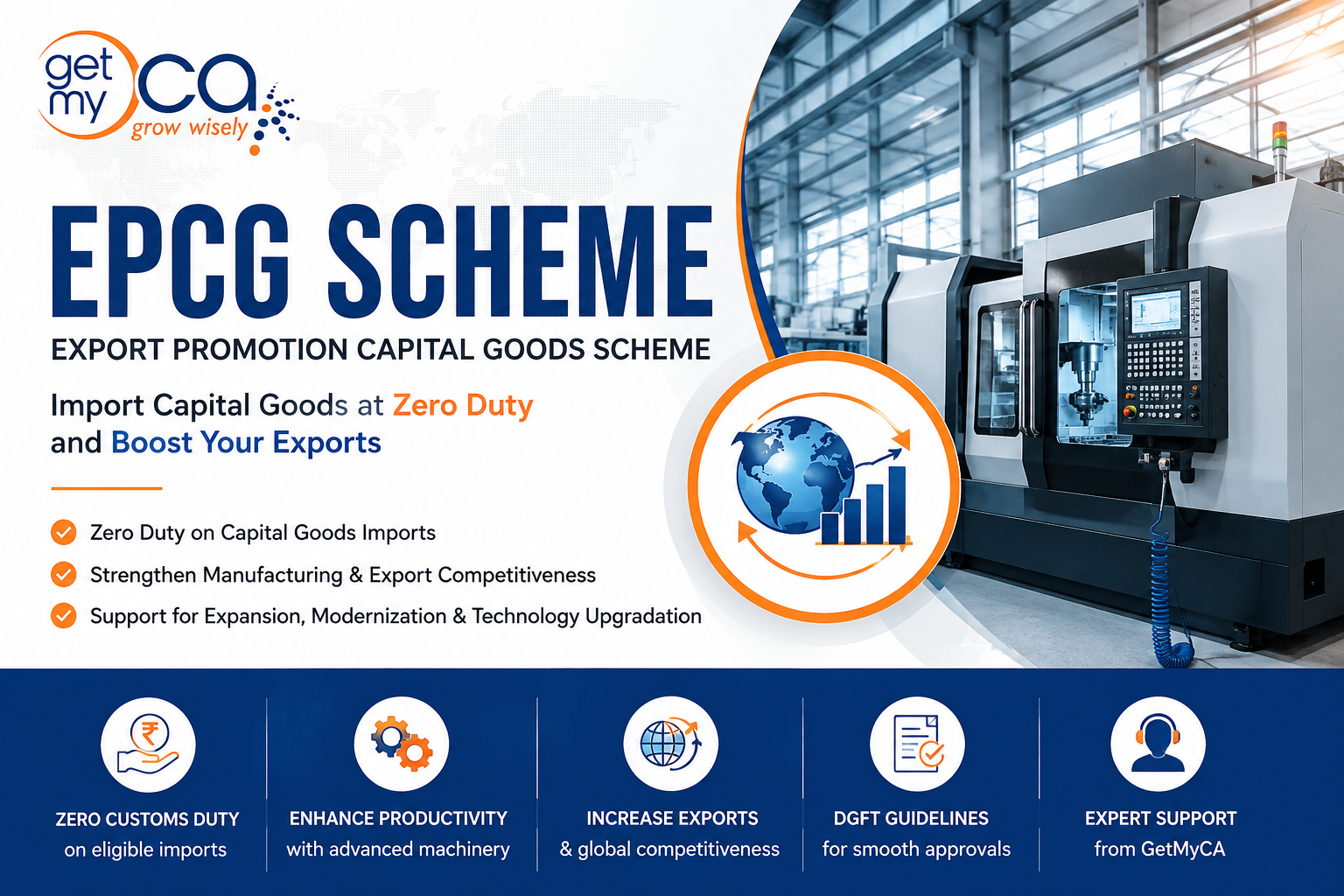
Buying new machinery is a major decision for any manufacturing or export business. Most businesses first look at the machine price, supplier, production capacity and expected output. But exporters also need to think about how the machinery purchase fits into their future export plans and compliance requirements.
This is where early EPCG planning can become useful. Instead of checking the scheme after the machinery deal is almost complete, businesses should understand the basic requirements at the planning stage itself.
Machinery Purchase Is More Than Just a Cost Decision
A new machine may help a manufacturer improve production, increase capacity, reduce manual work or introduce a new product line.
However, if the business is also involved in exports, the decision should be connected with its expected export activity. The company should have a clear idea about why the machinery is required and how it will support future business growth.
Before taking the next step, exporters can first understand the EPCG planning process for machinery procurement and check whether the proposed investment fits within the applicable framework.
This helps the management look at the investment from both a production and compliance point of view.
Why Should EPCG Be Checked Before Finalising Machinery?
Many businesses start exploring government schemes only after they have already placed the order or completed part of the transaction.
That approach can create unnecessary confusion.
It is better to review the scheme before major commercial decisions are finalised. The business can then understand what documents may be required, what conditions should be considered and whether the proposed machinery is connected with its export activities.
Early planning also gives the business enough time to discuss the purchase structure internally before making a large investment.
What Should a Manufacturer Check?
Before purchasing machinery, a manufacturer can review a few simple questions:
- Why is the new machinery being purchased?
- Which products will be manufactured using it?
- Will those products be exported?
- What is the expected increase in production capacity?
- Is the business comfortable with future export-related commitments?
- Are supplier quotations and machinery specifications available?
- Are financial and export records properly maintained?
These questions may look basic, but they can help avoid rushed decisions.
Understanding the Scheme Before Applying
Businesses should also spend some time understanding the broader EPCG scheme framework for Indian exporters before treating it as part of their investment strategy.
The EPCG process is not limited to getting an authorization. Businesses may also need to maintain relevant records and manage subsequent compliance connected with the authorization.
That is why the scheme should be evaluated as a complete process rather than only from the perspective of the initial benefit.
Keep Production and Export Plans Realistic
Machinery expansion usually happens because a business expects more production or better demand. But expected production and expected exports are not always the same thing.
A manufacturer should consider existing customers, export markets, product demand and realistic business projections before taking on long-term commitments.
The aim should be to select machinery that genuinely supports the business rather than making an investment only because a scheme is available.
Documentation Should Be Organised Early
Proper documentation can make future compliance easier.
Depending on the transaction, businesses may need to maintain records related to machinery specifications, supplier quotations, purchase documents, import or procurement details, export records and other supporting information.
Keeping these records organised from the beginning is much easier than trying to collect them later.
Final Thoughts
EPCG planning works best when it becomes part of the machinery investment decision from the beginning.
Manufacturers and exporters should first understand their machinery requirement, production plans, export potential and compliance responsibilities. Once these areas are clear, it becomes easier to decide whether the EPCG route is suitable for the proposed investment.
The main objective should be simple: make a machinery decision that supports long-term production and export growth while keeping future compliance manageable.

 English
 Arabic
 French
 Spanish
 Portuguese
 Deutsch
 Turkish
 Dutch
Dutch
 Italiano
 Russian
 Romaian
 Portuguese (Brazil)
