


 About Urh Social
 Terms of Service
 Πολιτική Ιδιωτικότητας
 Contact
Why an Energy Audit Should Come Before Technology Upgradation
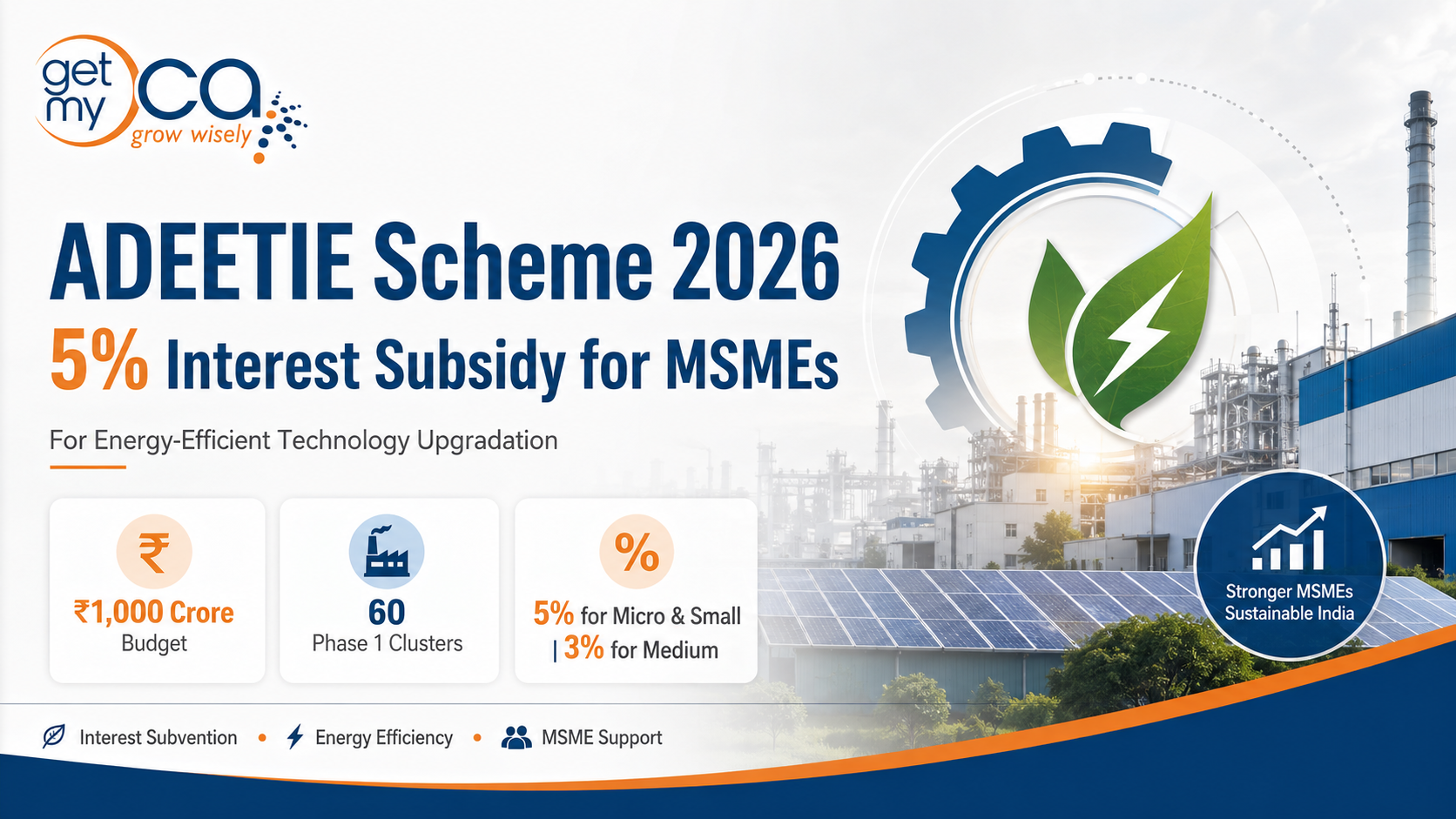
Technology upgradation can improve manufacturing efficiency, but replacing machinery without first understanding where energy and resources are being wasted may lead to unnecessary investment.
For MSMEs, an energy audit can provide a useful starting point. It helps businesses understand how energy is being consumed across machinery, utilities, and production processes before deciding where improvements are actually required.
What Does an Energy Audit Help Identify?
An energy audit examines different areas of a manufacturing facility to identify inefficient equipment and processes.
Depending on the type of unit, an assessment may review:
- Motors and drives
- Compressors
- Boilers and furnaces
- Pumps
- HVAC systems
- Lighting
- Cooling equipment
- Production machinery
- Utility consumption
The objective is not simply to identify old equipment but to understand where meaningful efficiency improvements may be possible.
Why Should MSMEs Audit Before Buying Machinery?
A common approach is to replace machinery simply because it is old. However, age alone does not determine whether an equipment replacement will provide a good financial return.
An energy assessment can help businesses compare existing consumption with the expected performance of new technology.
This can make it easier to prioritise investments according to potential savings rather than assumptions.
How Can Financial Planning Support Energy Upgrades?
Once improvement opportunities are identified, the next step is to estimate the total cost of implementation.
Businesses should consider equipment cost, installation, financing, maintenance, expected energy savings, and the likely payback period.
Eligible MSMEs exploring energy-efficient investments may also examine the ADEETIE Interest Subsidy Scheme while evaluating suitable financing and support options.
Financial assistance may help reduce part of the investment burden, but businesses should still ensure that the proposed technology provides practical operational benefits.
Prioritising Upgrades Can Prevent Overspending
Not every identified improvement needs to be implemented at the same time.
Businesses can classify projects according to factors such as:
- Energy-saving potential
- Investment required
- Operational importance
- Expected payback period
- Maintenance requirements
- Production impact
High-impact improvements can generally be considered before investments that offer limited operational benefits.
This phased approach can also help MSMEs manage cash flow more effectively.
Technology Upgradation Is Different Across Industries
Manufacturing sectors have different technology requirements.
A textile unit may focus on process heating, motors, compressors, or boilers, while engineering units may have different priorities.
Pharmaceutical manufacturing units may need to consider additional areas such as production equipment, utilities, HVAC infrastructure, laboratories, water systems, and facility improvements.
Eligible pharmaceutical units evaluating such modernization can also review the RPTUAS Subsidy Scheme as part of their broader technology-upgradation planning.
Why Should Expected Savings Be Monitored?
Technology upgradation does not end when new equipment is installed.
Businesses should compare actual performance after implementation with the savings originally estimated.
Monitoring can help determine whether:
- Energy consumption has decreased
- Productivity has improved
- Maintenance requirements have changed
- Equipment is operating as expected
- Additional optimisation is required
This turns technology upgradation into a measurable business improvement rather than a one-time machinery purchase.
What Should Businesses Keep Ready?
Before planning a major upgrade, maintaining organised business and technical records can be helpful.
Useful information may include:
- Existing machinery details
- Utility bills
- Energy-consumption records
- Production data
- Equipment quotations
- Technical specifications
- Financial statements
- Registration documents
- Proposed project costs
- Financing requirements
The exact documents required will depend on the financing arrangement or government programme being considered.
Conclusion
For MSMEs, technology upgradation should begin with understanding the existing manufacturing system.
An energy audit can help identify inefficient processes, prioritise suitable improvements, estimate potential savings, and make better investment decisions. After identifying the right opportunities, businesses can evaluate financing and applicable government-support programmes based on their specific requirements.
A planned and measurable approach can make technology modernization more financially practical and operationally useful.

 English
 Arabic
 French
 Spanish
 Portuguese
 Deutsch
 Turkish
 Dutch
Dutch
 Italiano
 Russian
 Romaian
 Portuguese (Brazil)
