


 About Urh Social
 Terms of Service
 Политика конфиденциальности
 Contact
Commercial Hydroseeding vs. Sod: Which Is the Most Cost-Effective Solution for Large-Scale Projects?
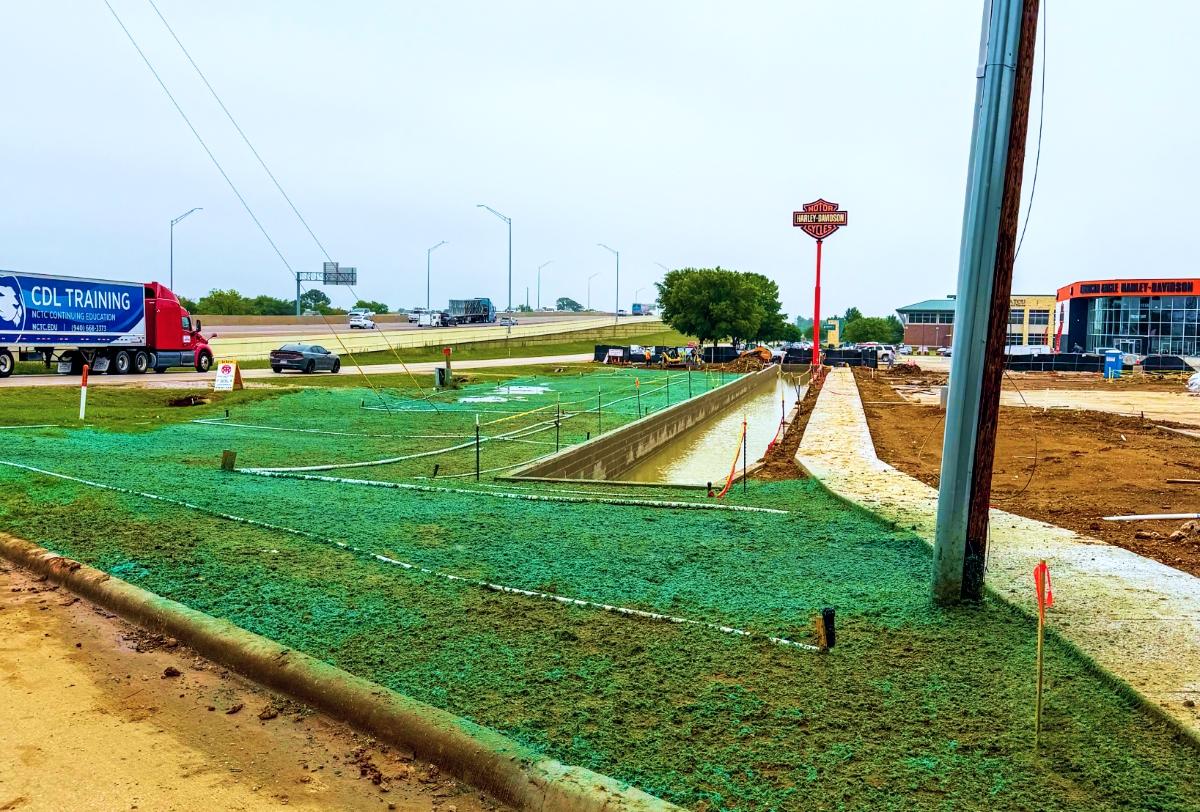
Choosing the right method for establishing vegetation can have a major impact on the budget, schedule, appearance, and long-term maintenance of a large-scale development. Developers, contractors, municipalities, and commercial property owners commonly compare hydroseeding and sod because both approaches can create a finished landscape but involve very different installation processes. Commercial hydroseeding services can cover extensive areas efficiently, while sod provides an immediately established turf surface. The better option depends on project goals, site conditions, labor availability, irrigation capacity, and the required completion timeline. Understanding the practical differences between these methods makes it easier to determine which solution provides the strongest overall value.
What Is Commercial Hydroseeding?
Hydroseeding is a mechanical planting process in which seed, water, mulch, fertilizer, and other appropriate amendments are mixed into a slurry and sprayed over prepared soil. The mulch helps hold moisture around the seed while providing some protection to the exposed surface during the early stages of establishment. Commercial applications can cover large properties relatively efficiently because specialized equipment distributes the mixture across broad areas. Seed blends can also be selected according to regional climate, soil conditions, sunlight, drainage, and the intended use of the landscape. This flexibility makes hydroseeding particularly useful for developments involving expansive lawns, slopes, roadside areas, open spaces, and newly graded land.
The success of hydroseeding depends on more than simply spraying seed onto the ground. Proper soil preparation, grading, drainage, seed selection, application rates, irrigation, and post-installation maintenance all influence the final result. A qualified contractor should evaluate the site before recommending a specific seed mixture or application strategy. Developers should also understand that hydroseeding does not create an instant lawn, so the property requires time and care while the seed germinates and vegetation becomes established. When properly planned, however, the approach can provide broad coverage while keeping initial material and installation requirements comparatively manageable.
What Is Sod and How Does It Compare?
Sod consists of mature grass that has been professionally grown, harvested with a layer of soil and roots, and installed over prepared ground. Unlike hydroseeding, sod provides an established turf surface almost immediately after installation, making it attractive for projects where visual completion is a high priority. Large commercial properties can be transformed quickly when rolls or sections of sod are installed across prepared areas. However, the material must be transported, handled, placed, joined properly, and watered promptly to encourage root establishment. The installation process can therefore require significant labor and logistical coordination, especially when a project covers several acres.
Sod can be particularly valuable when a development has a strict deadline or when an attractive finished landscape is required immediately. New commercial properties, public spaces, model homes, and high-visibility developments may benefit from the instant visual impact that sod provides. The trade-off is that the initial cost can be higher because the project is purchasing mature vegetation rather than establishing grass from seed. Transportation, installation labor, soil preparation, irrigation, and potential waste from irregularly shaped areas can also influence the total expense. For large-scale projects, these additional costs should be considered alongside the value of achieving an established appearance quickly.
Comparing Initial Costs
The initial cost difference between hydroseeding and sod is often one of the first factors developers examine. Hydroseeding generally requires seed, mulch, water, amendments, specialized equipment, and application labor, while sod involves purchasing mature turf plus transportation and installation. Because sod is already grown, the project pays for production time that has occurred before the material reaches the property. Hydroseeding shifts more of the establishment process to the project site, which can reduce initial material costs in many situations. However, actual pricing varies according to property size, grass variety, soil preparation, accessibility, local labor rates, irrigation requirements, and site complexity.
Large projects should avoid evaluating the decision solely by comparing the price per square foot of seed or sod. Site preparation may represent a significant portion of either project's budget, particularly where grading, topsoil replacement, drainage improvements, or irrigation installation are required. Hydroseeding may also require additional watering and maintenance during the establishment period, while sod may require intensive watering shortly after installation. A complete cost comparison should therefore include preparation, materials, labor, transportation, irrigation, maintenance, repairs, and expected establishment performance. Looking at total project cost provides a much more useful picture than focusing on one line item.
Installation Speed and Project Scheduling
Sod has an obvious advantage when immediate visual coverage is important because the grass is already mature when it reaches the site. A properly installed sod surface can dramatically change the appearance of a property within a short installation period. This can be useful when a development must be presented to clients, opened to the public, or prepared for occupancy by a specific deadline. Hydroseeding requires a germination and establishment period, meaning developers must allow time for the landscape to develop before it reaches its intended appearance. The exact timeline varies with seed type, temperature, moisture, soil conditions, and other environmental factors.
Hydroseeding can nevertheless be efficient from an installation perspective when extremely large areas need to be treated. Specialized equipment can distribute the slurry across extensive properties without requiring crews to manually place individual pieces of turf. This can simplify the physical installation phase and reduce the amount of material handling required compared with sod. For projects where landscape establishment can occur alongside other construction activities, the longer growing period may not be a major disadvantage. Developers should therefore compare the landscape deadline with the practical time available for vegetation establishment before choosing between the two methods.
Water Requirements and Establishment
Water management is critical for both methods, although the timing and purpose of irrigation differ. Newly hydroseeded areas need sufficient moisture to support seed germination and early root development, particularly during warm or dry weather. The mulch component can help retain moisture at the soil surface, but it does not eliminate the need for appropriate irrigation. Inconsistent watering can lead to poor germination, uneven growth, or bare areas that require additional attention. Developers should confirm that the site's irrigation system can provide adequate coverage before beginning a large hydroseeding project.
Sod also requires careful watering because the turf must establish roots in the underlying soil after installation. Newly installed sod can become stressed if it dries out during the initial establishment period, particularly in hot weather. Large commercial properties may therefore require significant irrigation capacity regardless of which installation method is selected. Water availability, local restrictions, climate, soil type, and drainage should all be included in the project evaluation. A professional contractor can help establish realistic irrigation requirements rather than relying on generic watering schedules that may not suit the property.
Durability, Erosion Control, and Site Conditions
Hydroseeding can be especially useful on properties where erosion management is an important consideration. The applied mulch creates a protective layer over exposed soil while vegetation develops, and growing roots can eventually contribute to improved soil stability. This makes the method attractive for slopes, disturbed construction areas, roadside landscapes, and other locations where exposed soil could be vulnerable to rainfall and runoff. However, hydroseeding should not be considered a complete erosion-control system for every site. Steep slopes, concentrated water flow, and severe erosion risks may require additional stabilization techniques.
Sod provides an established vegetative surface that can offer immediate surface protection, but installation quality remains critical. Poorly prepared soil, gaps between sections, inadequate watering, or improper placement can reduce establishment and create weak areas. Large-scale projects should also consider how equipment, foot traffic, rainfall, and other activities may affect newly installed turf. The best choice depends on the site's physical characteristics rather than simply the perceived durability of one method. A detailed assessment of slopes, drainage, soil, traffic, and intended use can reveal which installation strategy is more appropriate.
Labor and Maintenance Considerations
Labor requirements can influence the total cost of a commercial landscape project significantly. Sod installation typically involves delivery, unloading, positioning, cutting, joining, rolling, and watering, which can require a substantial workforce for extensive areas. Hydroseeding uses specialized equipment to apply the mixture, potentially reducing manual installation tasks across large properties. However, hydroseeded landscapes still require monitoring, irrigation, mowing once growth reaches the appropriate stage, and management of weeds or thin areas. The labor savings therefore depend on the property's size, accessibility, contractor capabilities, and maintenance plan.
Long-term maintenance should also be included when comparing the two options. Neither sod nor hydroseeding eliminates the need for mowing, irrigation, fertilization, weed management, and periodic repairs. The difference is primarily in how the turf becomes established and how much effort is required during the early phase. Developers managing multiple properties may prefer the method that fits their existing maintenance resources and irrigation infrastructure. A contractor should provide realistic expectations about establishment and maintenance rather than presenting either method as maintenance-free.
Finding the Right Contractor
Whether choosing sod or hydroseeding, contractor experience can have a substantial effect on the final outcome. Developers searching for a hydroseeding company near me should evaluate more than proximity or the lowest quoted price. Look for experience with commercial-scale projects, appropriate equipment, knowledgeable crews, transparent estimates, and a clear understanding of local growing conditions. Ask how the company prepares soil, chooses seed mixtures, determines application rates, manages slopes, and handles post-application care. Reviewing comparable project experience can also provide useful evidence that the contractor can manage the scale and complexity of the development.
For commercial projects, communication and scheduling are just as important as technical ability. The landscaping contractor may need to coordinate with grading crews, irrigation installers, general contractors, utility teams, and property managers. A reliable company should explain what must be completed before application, how weather may affect scheduling, and what maintenance is required afterward. Written proposals should clearly identify preparation, materials, application, irrigation expectations, and follow-up responsibilities. Taking these steps can help developers avoid unexpected costs and improve the likelihood of achieving the desired landscape result.
Which Option Offers Better ROI?
The most cost-effective solution depends on what the project defines as value. Hydroseeding can offer strong economic potential when large areas need vegetation and the project has enough time for grass to germinate and establish naturally. Lower material costs, efficient application, customized seed blends, and reduced manual installation can make it attractive for expansive developments. Sod may provide better value when an immediate finished appearance is essential and delays in landscape establishment could affect sales, occupancy, inspections, or public presentation. The cheapest installation method is not always the most economical choice once project timing and long-term requirements are included.
Developers should create a total-cost comparison that includes installation, preparation, irrigation, maintenance, labor, transportation, expected repairs, and the financial consequences of schedule changes. They should also consider whether the landscape has specialized requirements, such as erosion control, high traffic, drought tolerance, or specific aesthetic standards. Commercial hydroseeding services may be particularly valuable when scalability and establishment cost are major priorities, while sod can make sense when speed and immediate appearance carry greater financial importance. A site-specific evaluation provides a more reliable answer than using a universal rule.
Final Verdict: Hydroseeding or Sod?
For many large-scale projects, hydroseeding can be the more cost-effective option when developers have adequate establishment time and want efficient coverage across substantial areas. Its ability to use customized seed mixtures and specialized application equipment makes it adaptable to many commercial environments. Sod remains a strong choice when immediate visual results, rapid turf coverage, or strict completion deadlines outweigh the higher initial installation expense. Neither approach is universally superior because soil conditions, climate, project schedule, irrigation, labor, and long-term maintenance all influence the final outcome. The smartest decision is based on the complete project rather than the initial price alone.
Developers can improve their decision-making by requesting detailed estimates for both approaches and asking contractors to explain the expected installation timeline, maintenance requirements, and site-specific risks. Comparing the full lifecycle cost can reveal whether the initial savings of hydroseeding or the immediate benefits of sod provide greater financial value. When commercial hydroseeding services are selected, careful preparation and professional application are essential to achieving reliable establishment. Ultimately, the best landscape solution is the one that balances budget, performance, schedule, appearance, and long-term property needs.

 English
 Arabic
 French
 Spanish
 Portuguese
 Deutsch
 Turkish
 Dutch
Dutch
 Italiano
 Romaian
 Portuguese (Brazil)
 Greek
Greek
