


 About Urh Social
 Terms of Service
 Πολιτική Ιδιωτικότητας
 Contact
7 Clear Signs Your House Siding Needs Replacement Instead of Repair
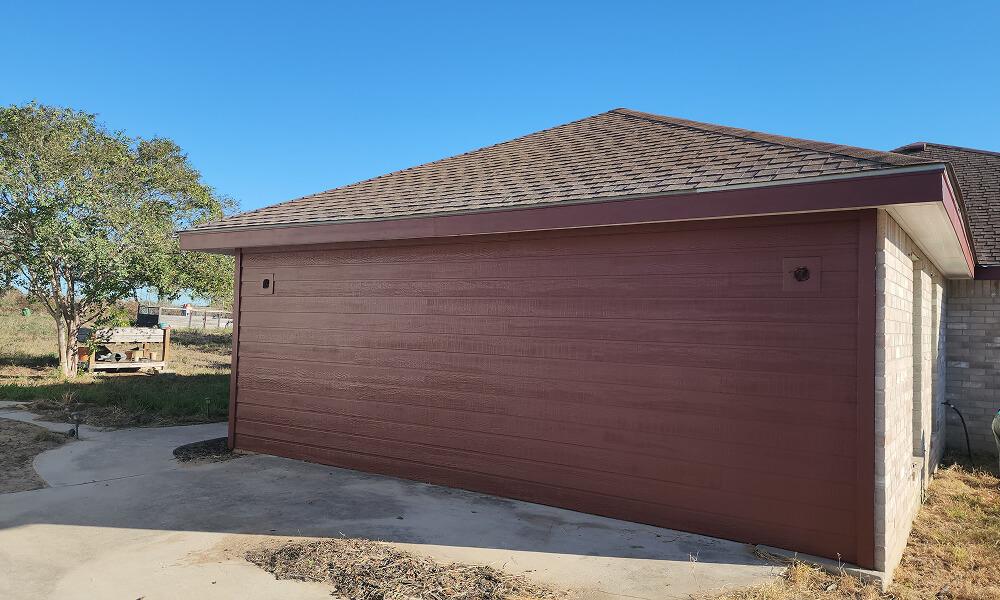
Siding acts as your home's first line of defense against severe weather, moisture, and extreme temperatures. Over time, every siding material experiences wear and tear.
While minor issues like a loose panel or small crack can be resolved with a quick touch-up, certain warning signs indicate structural degradation that repairs simply cannot fix. Recognizing these early signals prevents costly water damage, mold growth, and high energy bills down the road.
Key Indicators That Siding Needs Complete Replacement
-
Widespread Rot, Decay, or Soft Spots When wood or composite siding turns soft, spongy, or crumbles under light pressure, the internal structure has compromised. Surface patches only mask the problem, as deep moisture decay will continue spreading beneath the exterior boards.
-
Severe Warping, Buckling, or Wavy Boards Vinyl and wood panels warp or buckle when water gets trapped underneath or when thermal expansion stresses the material beyond recovery. Once boards lose their flat alignment, they leave gaps that allow rain and pests direct access to your home's sheath.
-
Cracked, Split, or Chipped Panels Across Multiple Areas A single cracked board is an easy fix, but widespread cracking across multiple walls means the siding has become brittle due to age and UV exposure. At this stage, attempting individual board repairs becomes inefficient as adjacent panels will continue to break.
-
Persistent Interior Water Stains, Mold, or Peeling Wallpaper When moisture penetrates through degraded exterior siding, it travels inward. Water spots on top-floor ceilings, peeling wall paint, or persistent interior mold behind drywall mean exterior barriers are failing to block rain.
-
Unexplained Spikes in Monthly Heating and Cooling Costs Siding works alongside exterior insulation to regulate interior temperature. If your energy bills suddenly climb without a change in HVAC usage, failing siding may be allowing air leaks and heat transfer around your home's perimeter.
-
Blistering, Bubbling, or Heavy Fading Beyond Maintenance Bubbles underneath the paint or vinyl coating indicate that moisture is trapped inside the material. When combined with extreme solar fading, it signals that the protective outer finish has fully degraded and can no longer shield your exterior walls.
-
Fungus, Mildew, or Mushroom Growth on Siding Joints Mold or mildew that repeatedly returns after high-pressure washing indicates embedded moisture. Mushrooms growing directly out of siding seams indicate deep wood rot beneath the surface that requires full replacement of the wall layer.
Choosing Between Patching and Full Installation
Minor damage restricted to a single panel or a isolated impact zone can generally be patched by a professional. However, when issues span across multiple elevations, affect underlying structural framing, or stem from material age, full installation is the only way to protect your property value and secure your home's building envelope.

 English
 Arabic
 French
 Spanish
 Portuguese
 Deutsch
 Turkish
 Dutch
Dutch
 Italiano
 Russian
 Romaian
 Portuguese (Brazil)
