


 About Urh Social
 Terms of Service
 Politique de confidentialité
 Contact
How Footwear Manufacturing Works in India
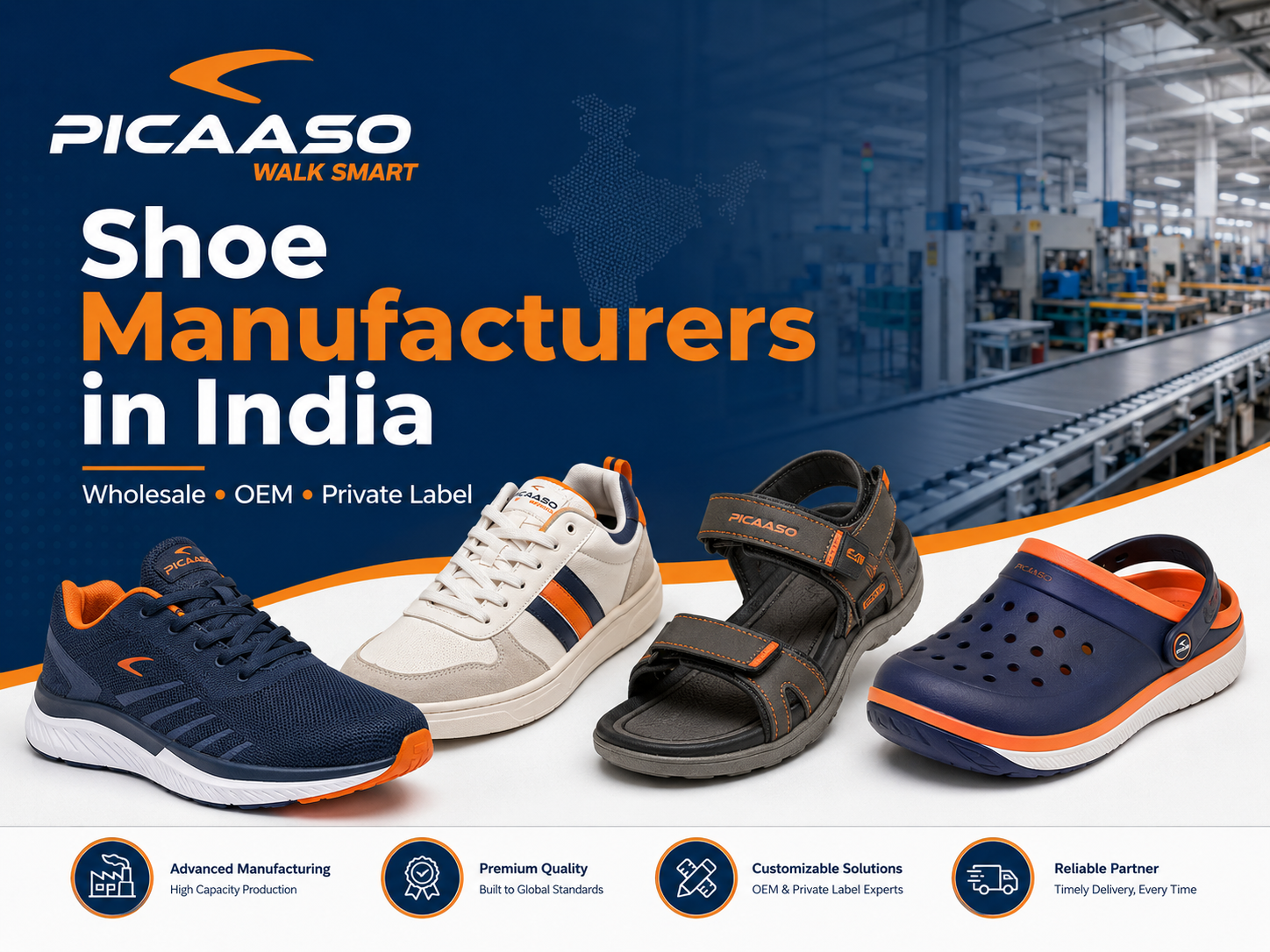
India has a diverse footwear manufacturing sector producing products for different consumer groups and business requirements. The industry includes manufacturers working with sports shoes, casual footwear, sandals, slippers, clogs and several other categories.
Manufacturing requirements can vary considerably depending on the product, material, order quantity and intended market. Understanding these factors can help wholesalers, retailers and footwear businesses evaluate different sourcing options more effectively.
Understanding the Footwear Manufacturing Process
Footwear production normally involves several stages. It may begin with product design and material selection, followed by pattern preparation, cutting, stitching, sole development, assembly, finishing and quality inspection.
Materials such as EVA, PU, PVC, rubber, mesh and synthetic fabrics can be used depending on the type of footwear being produced.
Businesses researching the Indian shoe manufacturing ecosystem can benefit from understanding these production stages before approaching manufacturers for bulk requirements.
Different Types of Footwear Production
Manufacturers may specialise in particular footwear categories rather than producing every type of product. For example, one manufacturing unit may focus primarily on sports shoes, while another may specialise in slippers, sandals or casual footwear.
Specialisation can influence factors such as available machinery, materials, production capacity and quality-control procedures.
Common footwear categories include:
- Sports shoes
- Casual shoes
- Sneakers
- Sandals
- Slippers
- Clogs
- School footwear
- Everyday footwear
Buyers should therefore first identify the product category they require before evaluating manufacturing partners.
OEM and Private-Label Manufacturing
OEM and private-label manufacturing are commonly used terms in the footwear industry.
OEM manufacturing generally involves producing footwear according to specifications provided by a buyer. Depending on the arrangement, this may include requirements relating to design, materials, colours, soles, branding or packaging.
Private-label production can involve manufacturing footwear that is subsequently sold under another business's brand.
The exact level of customisation, minimum order requirements and production conditions can differ between manufacturers.
What Should Buyers Compare?
Selecting a footwear manufacturer involves more than comparing prices. Businesses may also need to consider:
- Product quality
- Manufacturing capacity
- Material options
- Sample availability
- Minimum order quantities
- Product finishing
- Packaging requirements
- Production timelines
- Quality-control processes
- Logistics capabilities
Comparing leading footwear manufacturers in India across these factors can provide a clearer understanding of which manufacturing setup is appropriate for a particular sourcing requirement.
Why Quality Control Matters
Consistency is important when footwear is manufactured in bulk. Differences in sizing, stitching, sole attachment, materials or finishing can affect the quality of an entire order.
For this reason, quality checks may be carried out at different stages of production. Finished footwear can also be inspected before packaging to identify visible manufacturing or finishing issues.
Production Capacity and Order Planning
Production capacity is another practical consideration for bulk buyers. A manufacturer should be evaluated according to whether its production setup is suitable for the quantity and footwear category required.
Businesses should also discuss expected production timelines, sample approval, packaging requirements and delivery schedules before confirming large orders.
Clear specifications at the beginning of the process can reduce confusion during production.
Conclusion
India's footwear manufacturing sector includes a wide range of manufacturers working with different products, materials and production models.
For businesses planning to source footwear in bulk, understanding manufacturing processes, product specialisation, quality control, OEM arrangements and production capacity can make supplier evaluation more structured and informed.

 English
 Arabic
 Spanish
 Portuguese
 Deutsch
 Turkish
 Dutch
Dutch
 Italiano
 Russian
 Romaian
 Portuguese (Brazil)
 Greek
Greek
