


 About Urh Social
 Terms of Service
 Privacy Policy
 Contact
How Indian Footwear Manufacturing Is Supporting Modern Shoe Brands
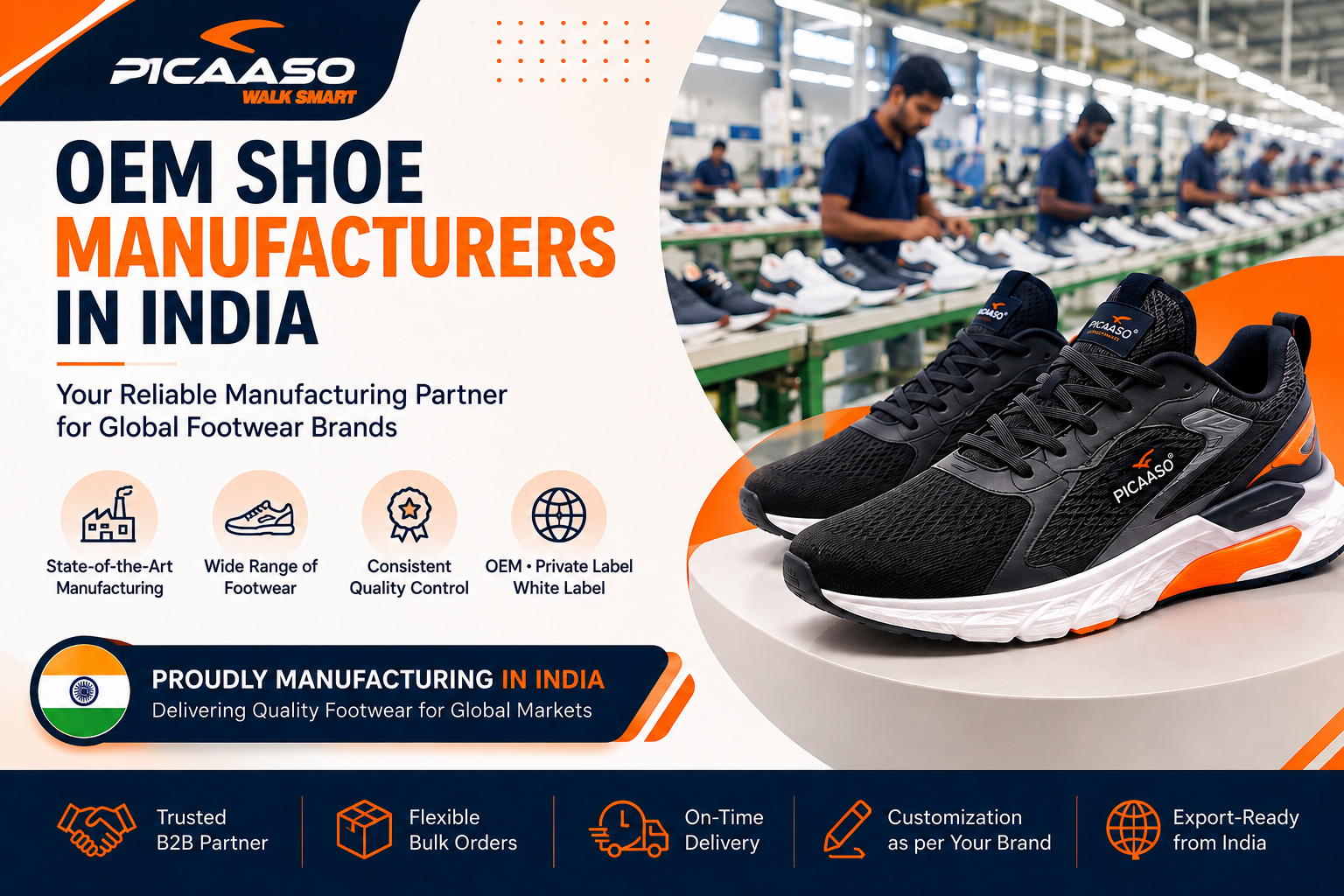
The footwear industry in India has developed significantly with improvements in manufacturing technology, material availability, product design, and production capabilities. Today, businesses can develop different footwear categories without necessarily setting up their own manufacturing infrastructure.
For brands, wholesalers, and retailers, working with experienced manufacturers can simplify product development while providing access to established production systems.
Why OEM Manufacturing Is Important
OEM manufacturing allows a footwear business to develop products according to its own specifications while production is handled by an established manufacturer.
Businesses exploring Indian OEM footwear manufacturing solutions should consider factors such as manufacturing capacity, available footwear categories, customization options, sampling procedures, quality control, and expected production timelines.
A suitable manufacturing arrangement can help businesses focus on branding, distribution, and market development while coordinating production with an experienced manufacturing team.
Product Planning Should Come First
Before beginning sample development, footwear businesses should clearly define the product they intend to manufacture.
Important details may include:
- Footwear category
- Target customer
- Size range
- Upper and sole materials
- Colour combinations
- Design requirements
- Branding placement
- Packaging specifications
- Approximate order quantity
Providing clear specifications can help reduce unnecessary changes during later production stages.
Sampling Helps Evaluate the Product
A sample provides an opportunity to review the footwear before confirming bulk production.
During sample evaluation, businesses can examine fit, comfort, stitching, material quality, sole construction, finishing, colour accuracy, and branding placement.
Any required improvements can then be communicated before larger quantities are manufactured.
Indian Footwear Brands Reflect a Growing Market
India has a diverse footwear market covering sports shoes, casual footwear, sandals, slippers, formal shoes, and several other categories.
Studying homegrown shoe brands in India can help businesses understand how different companies approach product categories, pricing, design, comfort, and customer requirements.
Such market observations can also provide useful direction when planning new collections or deciding which footwear categories may be suitable for a particular target audience.
Quality Control Should Continue Throughout Production
Product quality should be checked at different stages rather than only after the entire order has been completed.
Manufacturers and buyers can monitor areas such as:
- Material consistency
- Stitching
- Sizing
- Sole bonding
- Finishing
- Branding
- Packaging
Regular inspection can help identify production inconsistencies before they affect a larger quantity of footwear.
Manufacturing and Market Understanding Should Work Together
Reliable manufacturing alone does not determine whether a footwear product will perform well in the market. Businesses also need to understand customer preferences, expected price ranges, popular designs, and intended use.
Combining manufacturing capabilities with market research can help brands develop footwear that is both practical to produce and relevant to their intended customers.
Conclusion
India's footwear manufacturing ecosystem provides businesses with different opportunities for developing branded and customized footwear.
Clear product specifications, proper sampling, consistent quality checks, and an understanding of the Indian footwear market can help businesses make more informed product-development decisions. A structured manufacturing approach can also make it easier to introduce new footwear categories as the brand expands.

 English
 Arabic
 French
 Spanish
 Portuguese
 Deutsch
 Dutch
 Italiano
 Russian
 Romaian
 Portuguese (Brazil)
 Greek
