


 About Urh Social
 Terms of Service
 Privacy Policy
 Contact
The Warranty Fine Print: What a Residential Garage Door Company Wants You to Know
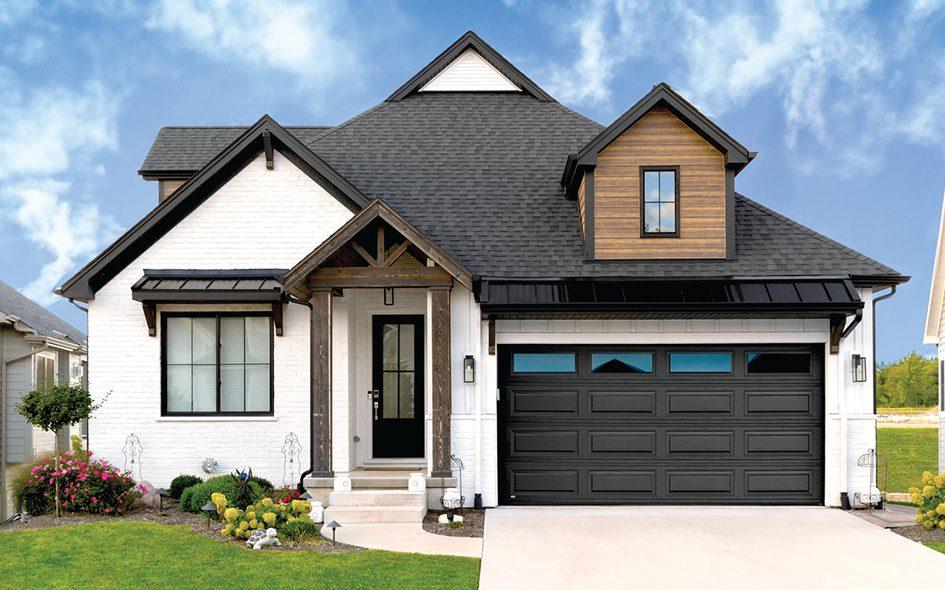
A garage door warranty can provide valuable protection, but homeowners should understand exactly what the coverage includes before assuming every repair will be covered. Warranty documents often contain separate terms for panels, hardware, springs, openers, finishes, and labor. A Residential Garage Door Company can explain how these sections work and what conditions may affect coverage. Understanding the fine print can prevent unpleasant surprises when a component eventually needs service. It also helps homeowners compare garage door products based on long-term value rather than focusing only on the initial purchase price.
What a Garage Door Warranty Usually Covers
Garage door warranties vary considerably depending on the manufacturer, product line, component, and installer. Some warranties cover specific door sections for a particular period, while others provide different coverage periods for hardware, springs, insulation, finishes, or openers. Labor may have separate terms or may not be included after the original installation period. Homeowners should read the complete warranty rather than relying on a salesperson's general statement that the door is covered. Knowing which parts have protection can make future maintenance and repair decisions much easier.
A warranty may also distinguish between defects in materials or workmanship and damage caused by normal use. Manufacturing defects may qualify for coverage when they occur within the stated warranty period and under the manufacturer's conditions. Wear resulting from thousands of opening and closing cycles may be treated differently because certain components are considered wear items. Springs, rollers, cables, hinges, and other moving parts can eventually require service even when the garage door itself remains structurally sound. A Residential Garage Door Company can help homeowners understand these distinctions before they approve repair work.
Why Warranty Length Does Not Tell the Whole Story
A longer warranty may sound automatically better, but the length of coverage is only one part of the agreement. Homeowners should examine what is actually covered during that period, whether labor is included, and whether coverage changes as the door becomes older. Some warranties may offer longer protection for selected components while providing shorter coverage for installation or other hardware. There may also be conditions requiring professional installation, routine maintenance, or use of approved replacement parts. Comparing these details can provide a much more accurate picture of the warranty's practical value.
Homeowners should also check whether the warranty is limited to the original purchaser or property owner. Some manufacturer warranties may have transfer restrictions or different terms when a home is sold. Other warranties may require registration shortly after purchase to activate certain benefits. Keeping the original invoice, installation documentation, product information, and warranty paperwork in a safe location can make future claims easier to process. Asking questions before installation is preferable to discovering important requirements after a component fails.
Springs, Cables, and Other Wear Components
Garage door springs deserve particular attention when reviewing warranty terms because they are designed to operate through repeated cycles. Every time the garage door opens and closes, the springs experience mechanical stress. Eventually, even a properly installed spring can reach the end of its expected cycle life. A warranty may cover a defective spring under specific circumstances, but ordinary wear may be excluded or treated differently. Homeowners should ask whether the spring warranty covers both the replacement part and the labor required to install it.
Cables and other moving components can have similar limitations because their condition can change through regular use and environmental exposure. Rust, fraying, impact damage, poor maintenance, or modifications may affect whether a particular repair qualifies for warranty service. If a homeowner is searching for broken garage door springs raleigh nc it is important to understand that a broken spring does not automatically mean the entire repair will be covered. The cause of the failure, age of the component, warranty language, and installation terms may all matter. A professional inspection can help identify the actual condition of the lifting system.
Labor Coverage and Installation Requirements
One of the most frequently overlooked parts of a garage door warranty is labor coverage. A manufacturer may provide a warranty on a door panel or mechanical component without paying for the technician's time, travel, diagnosis, or installation. In other situations, the original installer may provide separate workmanship coverage for a limited period. These are different types of protection and should not be confused. Homeowners should ask specifically what happens if a covered component fails and whether there will still be a service charge.
Installation requirements can also affect warranty eligibility. Manufacturers may require the door to be installed according to their specifications by a qualified professional. Incorrect installation, unauthorized modifications, or the use of incompatible hardware could potentially affect coverage. This is one reason choosing an experienced Residential Garage Door Company is important when purchasing and installing a new system. Proper installation does not eliminate normal wear, but it can help ensure that the door is set up according to the manufacturer's requirements from the beginning.
Common Warranty Exclusions Homeowners Should Know
Warranty exclusions are often where the most important fine print appears. Coverage may not apply to damage caused by accidents, misuse, storms, impacts, neglect, unauthorized modifications, or improper maintenance. For example, a garage door damaged by a vehicle may be treated differently from a panel that develops a manufacturing defect. Similarly, corrosion resulting from environmental conditions may have different coverage from a defect in the original finish. Reading exclusions helps homeowners understand the circumstances under which they may be responsible for repair costs.
Normal wear and tear is another common limitation. Garage doors contain numerous components that move thousands of times throughout their service life, and these parts naturally experience deterioration. Springs can lose their effectiveness, rollers can become noisy, seals can harden, and cables can eventually show wear. These changes do not necessarily indicate a manufacturing defect. Homeowners should therefore avoid assuming that every failed component qualifies for free replacement. A professional technician can explain whether the issue appears consistent with normal wear, accidental damage, installation problems, or a potentially covered defect.
Maintenance Can Affect Long-Term Warranty Protection
Regular maintenance is important not only for garage door performance but also for understanding the condition of warranty-covered components. Homeowners should follow the maintenance recommendations provided by the manufacturer and installer. These instructions may include periodic inspection, cleaning, lubrication of appropriate components, and checking visible hardware for signs of deterioration. However, homeowners should never attempt to adjust high-tension springs or cables simply because a maintenance guide recommends inspection. Tension-related work should be handled by a qualified professional.
Keeping maintenance records can also be helpful if a warranty issue develops later. Service invoices, inspection reports, installation records, and replacement documentation can provide evidence of how the garage door has been maintained. If a homeowner needs to submit a warranty claim, having this information available may make communication with the manufacturer or installer more straightforward. A Residential Garage Door Company can also help identify maintenance issues that should be addressed before they lead to a larger failure. Consistent care can extend component life even when the warranty itself has expired.
What Happens When You Need a Warranty Repair
When a garage door component fails, homeowners should first determine whether the problem may be warranty-related before purchasing replacement parts. The warranty documentation can identify the appropriate manufacturer, installer, claim process, and required information. A professional inspection may be necessary to determine the cause of failure and document the condition of the component. Homeowners should avoid removing or modifying a potentially covered component before the claim process is understood. Unauthorized repairs could complicate an otherwise valid warranty claim in some situations.
A professional technician can help separate warranty questions from urgent safety concerns. For example, a broken spring can leave a garage door extremely heavy and difficult to operate, regardless of whether the part might qualify for warranty coverage. Safety should take priority over waiting indefinitely for a claim decision. A Residential Garage Door Company can inspect the door and explain what appears to have failed, what documentation may be required, and what repair options are available. The homeowner can then make an informed decision based on both the warranty terms and the immediate condition of the garage door.
Questions to Ask Before Buying a Garage Door
Before purchasing a new garage door, homeowners should ask several straightforward questions about warranty protection. They should find out how long each major component is covered, whether labor is included, and whether the warranty is transferable. It is also useful to ask what maintenance is required and which situations can void or limit coverage. Questions about springs, cables, rollers, hardware, insulation, finishes, and openers can reveal differences between seemingly similar products. Written answers are preferable because they allow homeowners to review the details later.
Homeowners should also ask who handles warranty service if a problem occurs. In some cases, the installer may be the first point of contact, while other claims may need to be submitted directly to the manufacturer. Knowing this process before an emergency occurs can save time and reduce confusion. It is equally important to understand whether diagnostic fees, travel charges, or labor costs may apply. A reputable Residential Garage Door Company should be willing to explain these terms clearly rather than encouraging homeowners to make a purchase without understanding the obligations.
Making the Most of Your Garage Door Warranty
A garage door warranty is most useful when homeowners understand its boundaries before something goes wrong. The strongest approach is to review coverage, exclusions, labor terms, maintenance requirements, and installation conditions at the time of purchase. Homeowners should keep all relevant documents and schedule professional service when significant mechanical problems develop. If a spring, cable, opener, panel, or other component fails, the cause of the failure should be established before assuming that warranty coverage applies. This approach reduces misunderstandings and helps homeowners choose the most appropriate repair path.
For homeowners dealing with broken garage door springs raleigh nc, warranty coverage should be considered alongside the immediate safety and mechanical condition of the door. A broken spring may be subject to specific coverage terms, but labor, normal wear, installation requirements, and component age can influence the final claim. Garage Door Experts can inspect the system, identify related damage, and explain which repairs may require professional attention. By understanding the fine print and maintaining the door properly, homeowners can get greater value from their warranty. More importantly, they can make repair and replacement decisions based on accurate information rather than assumptions.

 English
 Arabic
 French
 Portuguese
 Deutsch
 Turkish
 Dutch
Dutch
 Italiano
 Russian
 Romaian
 Portuguese (Brazil)
 Greek
Greek
