


 About Urh Social
 Terms of Service
 سياسة الخصوصية
 Contact
How Digital Fingerprinting Powers Trusted Digital Identity Ecosystems
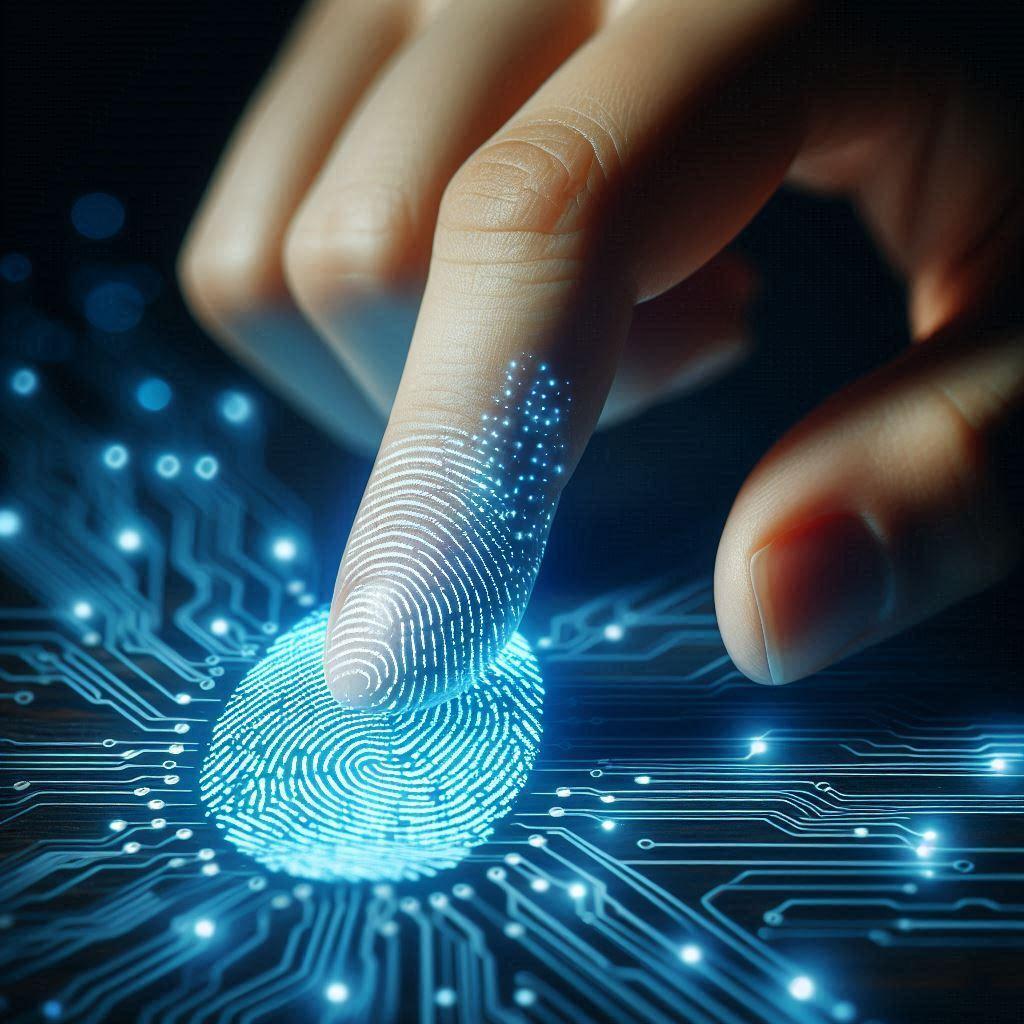
Quick Summary
Trusted digital identity is becoming the foundation of secure online interactions across banking, healthcare, government services, employment, and international travel. Digital fingerprinting plays a vital role by enabling accurate identity verification, reducing fraud, supporting compliance, and creating faster, more secure digital experiences. As digital identity ecosystems continue to evolve, advanced biometric technologies will remain essential for protecting users while improving convenience and trust.
Introduction
The digital world has transformed how individuals prove their identity. Whether applying for immigration, opening a bank account, accessing government services, or completing employment screening, secure identity verification has become more important than ever. Digital fingerprinting has emerged as one of the most reliable technologies for establishing trust in modern digital identity ecosystems. By capturing biometric information with exceptional accuracy and securely transmitting it for verification, organizations can confidently authenticate identities while reducing fraud and improving user experiences.
As governments and private organizations continue investing in digital transformation, trusted identity ecosystems are becoming essential infrastructure. Instead of relying solely on passwords or physical documents, these ecosystems combine secure technologies that verify identity through multiple trusted methods. Among them, biometric fingerprint verification remains one of the most dependable and globally accepted solutions.
Why Digital Fingerprinting Is the Foundation of Trusted Digital Identity
Modern identity systems depend on three essential characteristics: accuracy, security, and efficiency. Traditional identification methods such as paper documents or passwords can be lost, stolen, forged, or compromised. Biometric verification provides a stronger alternative because fingerprints are unique to every individual.
Digital fingerprinting uses high-resolution electronic scanners that capture detailed fingerprint images without ink. The images are converted into encrypted digital records that can be securely transmitted to authorized agencies for identity verification.
This technology offers several significant advantages:
Highly accurate biometric identification
Faster verification compared to traditional methods
Reduced human error during fingerprint collection
Secure electronic transmission
Improved compliance with government regulations
Enhanced protection against identity fraud
These advantages make biometric fingerprint verification an essential building block for trusted digital identity ecosystems worldwide.
The Growing Importance of Digital Identity Ecosystems
Digital identity ecosystems connect individuals, businesses, government agencies, and service providers through trusted identity verification processes. Their primary objective is ensuring that every person accessing a digital service is genuinely who they claim to be.
Examples include:
Immigration applications
Citizenship processing
Criminal background screening
Banking verification
Healthcare registration
Professional licensing
International employment screening
Educational credential verification
As digital services expand, secure identity verification becomes increasingly important for protecting sensitive personal information and maintaining public trust.
How Biometric Technology Builds Trust
Trust is the most valuable component of any digital identity system. Every verification process must minimize the possibility of fraud while protecting individual privacy.
Digital fingerprinting contributes to this trust by providing biometric characteristics that are permanent, unique, and extremely difficult to duplicate. Unlike passwords or identity cards, fingerprints cannot easily be guessed, shared, or copied without sophisticated criminal activity.
Advanced biometric systems also incorporate:
Image quality validation
Encryption during transmission
Secure storage protocols
Identity verification standards
Audit trails for accountability
Together, these features strengthen confidence in digital identity systems across multiple industries.
Supporting Government Services Through Digital Fingerprinting
Government agencies increasingly rely on biometric technologies to verify identities during sensitive administrative processes.
Examples include:
Immigration applications
Citizenship requests
Visa processing
Criminal record verification
National security screening
Law enforcement investigations
Digital fingerprinting allows authorized agencies to compare submitted biometric data against official databases quickly and accurately. This reduces processing delays while helping officials identify duplicate identities or fraudulent applications.
Electronic submission also eliminates many of the delays associated with physical paperwork, resulting in faster service delivery for applicants.
Reducing Identity Fraud in the Digital Era
Identity fraud continues to be one of the fastest-growing cybersecurity challenges worldwide. Criminals use stolen personal information to access financial accounts, commit fraud, or create false identities.
According to global cybersecurity research, identity-related fraud costs organizations billions of dollars annually while exposing millions of individuals to financial and reputational harm.
Biometric verification significantly strengthens fraud prevention because fingerprints cannot simply be memorized, purchased, or easily replicated.
Organizations implementing biometric authentication often benefit from:
Lower fraud rates
Improved customer confidence
Better regulatory compliance
Faster identity verification
Reduced operational costs
As cyber threats evolve, biometric technologies continue providing stronger protection than traditional authentication methods alone.
Security and Privacy Must Work Together
One common misconception is that stronger identity verification automatically reduces privacy. In reality, modern biometric systems are designed to balance both objectives.
Responsible identity ecosystems follow strict principles such as:
Collecting only necessary information
Encrypting biometric data
Limiting access to authorized personnel
Maintaining detailed audit records
Following applicable privacy regulations
Securely deleting information when legally required
Organizations that prioritize transparency and security strengthen public confidence while protecting sensitive personal information.
Digital Identity Beyond Government Applications
Although fingerprint verification is often associated with immigration or criminal background checks, its future extends far beyond these traditional uses.
Trusted digital identity ecosystems increasingly support:
Remote employee onboarding
Secure online banking
Financial compliance
Digital healthcare services
Electronic contract verification
Educational enrollment
Cross-border business operations
Identity verification for online platforms
Digital fingerprinting helps organizations confidently verify users without creating unnecessary friction during digital interactions.
As remote services continue expanding, secure biometric authentication will become even more valuable.
Emerging Technologies Strengthening Digital Identity
The future of trusted identity ecosystems combines biometric verification with several complementary technologies.
These include:
Artificial Intelligence
Artificial intelligence improves fingerprint image quality assessment, anomaly detection, and fraud identification while reducing manual review workloads.
Cloud-Based Infrastructure
Secure cloud environments enable faster identity verification across geographically distributed locations while maintaining strong encryption standards.
Zero Trust Security
Zero Trust frameworks continuously verify user identities instead of assuming trust after initial authentication.
Digital Credentials
Verified digital identities may eventually replace many physical identity documents, allowing individuals to securely prove their identity online.
Within these evolving ecosystems, Digital fingerprinting remains one of the most trusted methods for establishing an individual's authentic identity.
Best Practices for Reliable Biometric Verification
Organizations seeking dependable identity verification should adopt recognized best practices.
Important recommendations include:
Use certified biometric equipment.
Maintain regular equipment calibration.
Train fingerprint collection personnel thoroughly.
Encrypt all biometric transmissions.
Follow government-approved verification procedures.
Maintain comprehensive audit documentation.
Respect applicable privacy requirements.
Continuously monitor cybersecurity risks.
Following these practices improves both operational efficiency and public confidence.
The Future of Trusted Digital Identity Ecosystems
Digital transformation continues accelerating across every sector of society. Governments, financial institutions, healthcare organizations, employers, and educational institutions all require reliable methods for verifying identities remotely.
Future digital identity ecosystems will likely become increasingly integrated, allowing individuals to securely access multiple services through trusted biometric verification while maintaining greater control over personal information.
Digital fingerprinting will remain a cornerstone of these ecosystems because it delivers a rare combination of accuracy, efficiency, security, and reliability. As biometric technology advances alongside artificial intelligence and stronger cybersecurity frameworks, identity verification will become even more seamless without compromising trust.
Organizations investing in secure biometric infrastructure today are positioning themselves for a future where trusted digital identities support safer online interactions, stronger fraud prevention, and improved access to essential services.
Conclusion
The future of digital identity depends on technologies that provide both confidence and convenience. Traditional identification methods alone can no longer meet the growing demands of increasingly connected digital environments. Biometric verification offers a more secure path forward by accurately confirming identities while reducing fraud and streamlining verification processes.
Digital fingerprinting has become an essential component of trusted digital identity ecosystems because it combines advanced biometric accuracy with secure electronic processing and regulatory compliance. As governments, businesses, and service providers continue expanding digital services, biometric verification will play an even greater role in protecting individuals and strengthening trust across the global digital economy.

 English
 French
 Spanish
 Portuguese
 Deutsch
 Turkish
 Dutch
Dutch
 Italiano
 Russian
 Romaian
 Portuguese (Brazil)
 Greek
Greek
