


 About Urh Social
 Terms of Service
 Política de privacidade
 Contact
Breaking the Ice: A Comprehensive Analysis of China's Frozen Food Market (2026–2034)
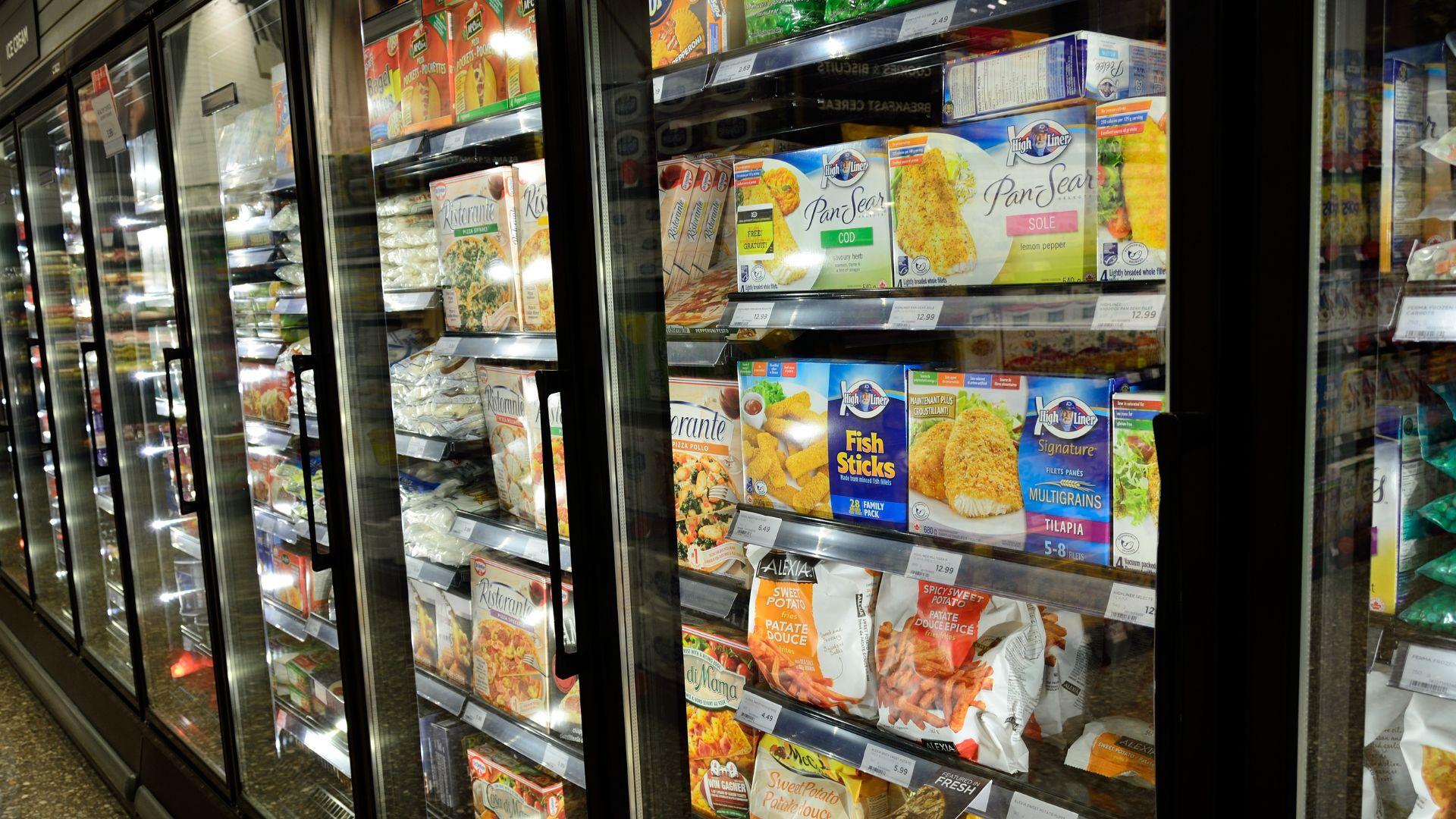
The landscape of China’s food and beverage sector is undergoing a profound structural evolution. Driven by unrelenting urbanization, accelerating workplace demands, and a massive shift in consumer behavior toward convenience, the preservation of food through low-temperature freezing has transformed from a niche luxury into a cornerstone of the modern Chinese lifestyle. Once defined almost exclusively by traditional staple items like frozen dumplings, the market has expanded into a multi-faceted ecosystem encompassing ready-to-cook (RTC) meals, premium seafood, frozen bakery products, and hot pot ingredients.
According to comprehensive market data and forecasts from Renub Research, China’s frozen food market is positioned for robust growth over the next decade. Valued at US$ 35.21 Billion in 2025, the market is projected to skyrocket to US$ 78.52 Billion by 2034. This exceptional trajectory reflects a remarkable Compound Annual Growth Rate (CAGR) of 9.32% during the forecast period of 2026–2034. This surge is underpinned by profound demographic shifts, massive capital investments in nationwide cold chain infrastructure, and the hyper-evolution of digital retail and e-grocery platforms.
Download Free Sample Report: https://www.renub.com/request-sample-page.php?gturl=china-frozen-food-market-p.php
Defining the Modern China Frozen Food Industry
Frozen foods are fundamentally defined as food items preserved at ultra-low freezing temperatures to maintain structural integrity, flavor, freshness, texture, and nutritional profiles over prolonged periods. By locking in nutrients at the point of production, the freezing process drastically slows decay, halts enzymatic breakdown, and prevents microbial or bacterial growth. The modern Chinese toolkit of frozen foods spans an array of sub-categories:
-
Traditional Staples: Frozen dumplings (jiaozi), wontons, and steamed buns.
-
Proteins: Premium frozen seafood, poultry, pork, and beef cuts.
-
Ready-to-Cook (RTC) & Ready-to-Eat (RTE): Complete microwavable meals, pre-seasoned stir-fry kits, and specialized hot pot assortments.
-
Bakery & Snacks: Frozen pastry doughs, specialized desserts, and regional finger foods.
The rapid popularization of these items across China stems from the relentless pace of urban life. With traditional, time-consuming scratch cooking becoming increasingly impractical for busy urbanites, consumers are turning to frozen alternatives to eliminate preparation labor and minimize household food waste. This cultural pivot is further reinforced by rigorous modern safety standards, expanding supermarket footprints, and a highly advanced digital economy that brings frozen goods directly from cold storage warehouses to high-rise doorsteps within hours.
Macroeconomic Growth Drivers Accompanying the Market
The momentum behind China's frozen food expansion is driven by clear socio-economic catalysts that are systematically reshaping production and retail.
1. The Sudden Surge in Ready-to-Cook (RTC) Demand & National Standardization
The fast-paced, high-pressure lifestyle characteristic of Tier 1 and Tier 2 Chinese cities has created an unprecedented demand for time-saving culinary options. Corporate professionals, dual-income households, and university students increasingly seek instant, reliable meal solutions that do not sacrifice flavor or nutritional quality. Frozen RTC meals fill this void seamlessly.
This rapid commercialization reached a historic milestone in February 2026. According to the Xinhua News Agency, China introduced its first-ever national standards for ready-to-cook foods. This monumental regulatory achievement establishes formal quality baselines, unifies safety protocols, and boosts overall consumer trust across a historically fragmented industry. As standardization eliminates safety apprehensions, both domestic production and cross-border trade are surging. For example, prominent global suppliers like Singapore-based Lam Kee Fisheries have aggressively expanded their premium RTC frozen seafood lines into regional networks, capitalizing directly on this heightened demand for pre-prepared consumer proteins.
2. Massive Expansion of Cold Chain Logistics Infrastructure
The foundational backbone enabling the nationwide distribution of frozen items is the rapid technological upgrade of China's cold chain logistics network. Historically limited to coastal regions, the Chinese government—in tandem with private enterprise—has poured immense capital into developing automated cold-storage hubs, temperature-monitored distribution centers, and highly advanced refrigerated transport fleets.
These logistical breakthroughs ensure that strict thermal integrity is maintained from farm or processing facility directly to the final retail terminal. The primary market consequence of this expansion is geographic: frozen food manufacturers can now reliably distribute highly perishable meats, seafood, and delicate pre-prepared dishes deep into Tier 3 and Tier 4 cities, as well as vast rural territories, unlocking massive, previously inaccessible consumer demographics.
3. Hyper-Evolution of E-Commerce and Omni-Channel Retail
China's digital retail landscape is arguably the most sophisticated in the world. The integration of major e-commerce platforms, instant-delivery applications, and neighborhood group-buying networks has revolutionized frozen food accessibility. Leading technology firms have optimized their cold-chain delivery systems, utilizing specialized insulated packaging and rapid transit grids to guarantee that frozen goods arrive completely solid.
Simultaneously, traditional physical retail channels—such as hypermarkets, boutique supermarkets, and 24-hour convenience stores—are drastically expanding their dedicated freezer aisle square footage. The strategic rollout of aggressive digital discounts, exclusive online product varieties, and private-label frozen items has successfully captured the purchasing power of younger, tech-savvy urban generations who naturally favor digital grocery shopping over visiting traditional open-air wet markets.
Structural Market Impediments and Operational Challenges
Despite unprecedented growth projections, the Chinese frozen food industry must actively navigate deep-seated cultural perceptions and substantial logistical cost structures.
Cultural Concerns Regarding Freshness and Quality
The primary headwind facing frozen food manufacturers in China is a powerful, long-standing cultural reverence for xian (absolute freshness) in culinary traditions. Standard Chinese cuisine places an immense premium on live seafood, freshly slaughtered meats, and morning-harvested vegetables. Consequently, a significant segment of the population—particularly older demographics and residents of smaller municipalities—harbors the perception that frozen items are inherently inferior, nutrient-depleted, or laden with artificial chemical preservatives. Overcoming these deep-seated biases requires manufacturers to invest heavily in consumer education, explicitly demonstrating how modern Individual Quick Freezing (IQF) technologies lock in vitamins and structural freshness far more effectively than ambient-temperature transport.
High Operational Overhead and Energy Volatility
Maintaining an unbroken cold chain across a geographically vast nation like China is an incredibly capital-intensive endeavor. Building state-of-the-art automated cold storage facilities and maintaining specialized refrigerated transit requires steep upfront investment and high recurring operational expenditures.
Small-scale firms frequently find it difficult to cope with these substantial baseline costs, limiting their overall competitiveness against major industry players. In far-flung rural areas where infrastructure is less developed, logistics expenses spike significantly. Furthermore, energy cost variability directly impacts the profitability of firms operating massive frozen storage hubs. Temperature fluctuations during delivery can lead to product decay, causing direct financial losses and undermining customer confidence. These steep operational barriers mean that high logistics costs often spill over into product pricing, occasionally making frozen goods less economical for the highly price-sensitive segments of China's population.
Detailed Segment Analysis: Core Product Categories
The Vital Frozen Meat & Seafood Sector
The frozen meat and protein segment remains a dominant financial force within the broader market. Driven by China’s massive aggregate consumption of pork, poultry, beef, and marine products, freezing serves as an indispensable tool for balancing supply chain volatility and preventing contamination. The sector is heavily supported by the commercial food service industry; quick-service restaurant chains, international hotels, and ubiquitous hot pot establishments rely explicitly on frozen meats to ensure exact portion control, strict kitchen hygiene, and predictable input costs. Furthermore, affluent urban consumers exhibit a strong preference for high-quality, imported frozen beef and specialized wild-caught seafood, viewing them as premium, safe alternatives to local wet-market offerings.
The Soaring Frozen Ready Meals Sector
Propelled by shifting lifestyle patterns, the frozen ready meals sector is experiencing a massive volume expansion. This category has evolved far beyond basic instant noodles to include complex, multi-component microwavable rice dishes, authentic regional soups, hot pot base kits, and pre-packaged local delicacies. Manufacturers leverage advanced flash-freezing technology to ensure that complex sauces, vegetables, and starches retain their intended flavors and textures upon reheating. The primary consumer demographic comprises young professional white-collar workers and the massive university student population, both of whom prioritize velocity, ease of execution, and minimal clean-up in their daily dining routines.
Consumer Analysis: Retail Dynamics vs. Distribution Channels
The Retail User Segment
The domestic retail consumer base represents a primary engine of growth for the industry. Rising disposable household incomes across China’s sprawling metropolitan zones have directly converted into higher per-capita spending on convenience foods. Modern households utilize home freezers to stock up on frozen vegetables, protein cuts, and snacks for routine weekly consumption. Interestingly, retail demand experiences massive, predictable spikes during traditional festive periods—such as the Lunar New Year and the Mid-Autumn Festival—when families purchase vast quantities of premium frozen dumplings, specialty seafood, and traditional glutinous rice balls to facilitate large family banquets with minimal stress.
Offline vs. Online Distribution Dynamics
While e-commerce continues to capture market share at a historic pace, offline distribution channels still maintain structural dominance across the aggregate Chinese market. This trend is anchored in consumer psychology. A vast percentage of Chinese shoppers prefer the tactile reassurance of physically inspecting product packaging, checking structural solidity, and verifying expiration dates prior to purchase.
Major hypermarket chains have responded by creating massive, brightly lit, experiential frozen food zones featuring live cooking demonstrations and free tasting samples to solidify consumer trust. Conversely, online channels are expanding rapidly by capitalizing on the ultimate convenience factor, drawing the loyalty of younger generations through subscription-based automated deliveries and live-streamed culinary commerce.
Regional Micro-Market Profiles: Key Chinese Metropolises & Provinces
The consumption profiles of frozen food fluctuate significantly across China, shaped directly by local economic power, regional climates, and historical culinary preferences.
Beijing
As the nation’s political and cultural capital, Beijing boasts an exceptionally mature frozen food ecosystem. The city is characterized by a massive population of white-collar professionals, government employees, and students living highly accelerated daily routines. Content consumption here skews heavily toward frozen dumplings, prepared meals, and seafood. Beijing's extensive cold chain infrastructure and high density of modern convenience stores ensure that premium frozen foods are highly accessible across all urban rings.
Shanghai
Shanghai stands out as the absolute epicenter for premium, high-margin frozen food consumption in China. With an incredibly high per-capita disposable income and a highly westernized, modern lifestyle, Shanghainese consumers demonstrate an insatiable appetite for premium imported frozen foods, gourmet frozen desserts, and sophisticated western-style ready meals. The city leads the nation in frozen food e-commerce penetration, with local consumers showing a willingness to pay significant premiums for organic, clean-label, and internationally sourced frozen options.
Jiangsu Province
Jiangsu’s frozen food market is expanding rapidly, anchored by a powerful regional industrial economy and a massive middle-class population concentrated across major economic hubs like Nanjing, Suzhou, and Wuxi. The province exhibits a well-balanced consumption model, absorbing vast quantities of frozen vegetables, staple dumplings, and processed meats. Jiangsu’s exceptional highway network and advanced cold logistics systems facilitate flawless distribution between local food processing giants and sprawling suburban residential communities.
Fujian Province
Fujian’s regional frozen food dynamics are uniquely dictated by its extensive coastline and historical position as a maritime powerhouse. The province is a dominant force in the production and consumption of frozen seafood, including quick-frozen shrimp, squid, fish fillets, and processed fish cakes. Fujian boasts highly advanced ports and state-of-the-art seafood freezing facilities, which simultaneously satisfy robust local consumer demand and drive massive export volumes to international markets.
Comprehensive Overview of Urban Consumption Hubs
To understand the geographical distribution of frozen food trends across China, it is essential to look at the distinct consumer habits across its major metropolitan areas:
| City | Primary Consumption Focus | Key Market Accelerators | Retail Profile |
| Guangzhou | High-volume frozen seafood, dim sum staples, and wontons. | A massive commercial food service sector and an active restaurant delivery ecosystem. | Balanced between traditional wet markets adopting freezers and modern supermarkets. |
| Shenzhen | Instant ready meals, microwavable dishes, and functional snacks. | A dense concentration of young tech-sector workers demanding ultra-fast meal solutions. | Exceptionally high utilization of app-based online grocery platforms and instant delivery. |
| Chengdu | Frozen hot pot ingredients, meatballs, and specialized spicy snacks. | A highly active local nightlife food culture and an expansion of ready-to-cook street foods. | Strong wholesale demand from catering establishments supplemented by modern convenience retail. |
| Chongqing | Specialized hot pot base ingredients, frozen tripe, and spicy meats. | High tourist-driven food demand coupled with intense urbanization and rapid lifestyle shifts. | Dominant offline wholesale networks supporting local restaurants alongside expanding retail chains. |
| Tianjin | Frozen wholesale meats and heavy coastal seafood varieties. | Major strategic port location acting as a primary northern China distribution and processing hub. | Heavy reliance on large-scale wholesale trade operations and traditional hypermarket footprints. |
| Hangzhou | Premium frozen bakery items and high-end artisanal ready meals. | The absolute tech capital of e-commerce, driving the nation’s highest online frozen order rates. | Powered by advanced cold-chain home delivery networks linked directly to digital platforms. |
| Wuhan | Highly affordable frozen meal trays and bulk snack foods. | A massive university student population demanding cost-effective, hyper-convenient nutrition. | Rapidly expanding regional cold chain infrastructure and rising convenience store penetration. |
Competitive Landscape and Key Corporate Players
The Chinese frozen food arena is highly competitive, characterized by intense rivalry between long-established domestic champions and aggressive global food conglomerates. Success in this market demands continuous product innovation, strict adherence to evolving national safety standards, and the maintenance of strategic alliances with massive e-commerce and logistics networks.
Prominent enterprise organizations defining the market include:
-
General Mills: A global powerhouse leveraging its premium brands (such as Häagen-Dazs and specialized frozen items) to capture high-margin urban consumer segments.
-
Sanquan Food: A pioneering domestic titan holding an immense market share in traditional frozen staples like quick-frozen dumplings, rice balls, and flour-based pastries.
-
Fujian Anjoy Foods Co Ltd: An industry leader heavily dominant in the production of frozen hot pot ingredients, specialized meatballs, fish cakes, and rapidly growing ready-to-cook meal kits.
-
Meiji Co Ltd: A prominent international player focusing on premium frozen dairy products, desserts, and specialized confectionery items targeted at affluent youth.
-
Shandong Huifa Food Co Ltd: Specializes in high-volume production of frozen meat products, institutional catering ingredients, and regional ready-to-eat meals.
-
Maruha Nichiro Group: A global seafood conglomerate delivering high-end, quick-frozen marine proteins and specialized seafood processed dishes.
-
Apex Frozen Foods Ltd: Focuses heavily on the supply chain optimization of quick-frozen shrimp and aquaculture products tailored for both retail and food service sectors.
-
Conagra Brands, Inc.: Deploys extensive R&D capabilities to introduce international frozen ready-meal concepts and modern packaging innovations to urban centers.
Frequently Asked Questions (FAQs)
Based exclusively on Renub Research market insights and data parameters.
1. What is the projected market size of China’s frozen food industry by 2034 according to Renub Research?
According to the long-term forecast data compiled by Renub Research, China's frozen food market is projected to reach an impressive total valuation of US$ 78.52 Billion by the year 2034.
2. What was the baseline valuation of the Chinese frozen food market in 2025?
The market entered the current forecast period with a solid baseline valuation of US$ 35.21 Billion in the year 2025.
3. What is the calculated Compound Annual Growth Rate (CAGR) for the China frozen food market between 2026 and 2034?
The market is anticipated to expand at an exceptionally rapid Compound Annual Growth Rate (CAGR) of 9.32% over the forecast period spanning from 2026 to 2034.
4. What are the primary structural drivers accelerating this market according to the data?
The primary catalysts behind this growth include rapid nationwide urbanization, increasingly hectic modern lifestyles, skyrocketing consumer demand for ready-to-cook (RTC) meals, massive technological advancements in cold chain logistics, and the hyper-evolution of e-commerce networks.
5. What major regulatory milestone occurred in early 2026 that directly impacted the Chinese frozen food industry?
In February 2026, China officially introduced its first-ever national standards for ready-to-cook foods, establishing rigorous quality baselines and safety frameworks that significantly boosted consumer trust across the entire industry.
6. What core consumer apprehensions act as primary challenges to the widespread acceptance of frozen foods in China?
The primary consumer hurdles are deep-seated cultural preferences for absolute freshness (xian) in ingredients, combined with lingering consumer skepticism regarding the potential presence of artificial chemical preservatives and fears over overall nutritional profiles.
7. How does the market performance differ between online and offline distribution channels in China?
Although online e-grocery and e-commerce platforms are growing at the fastest percentage rate due to ultimate convenience, offline distribution channels (such as supermarkets and hypermarkets) still maintain overall structural dominance because Chinese consumers strongly prefer to visually inspect packaging and verify product freshness in person before buying.

 English
 Arabic
 French
 Spanish
 Portuguese
 Deutsch
 Turkish
 Dutch
Dutch
 Italiano
 Russian
 Romaian
 Greek
Greek
