


 About Urh Social
 Terms of Service
 Política de Privacidade
 Contact
The Global Green Transition: Biodegradable Plastic Market Size, Forecast, and Industry Insights (2026–2034)
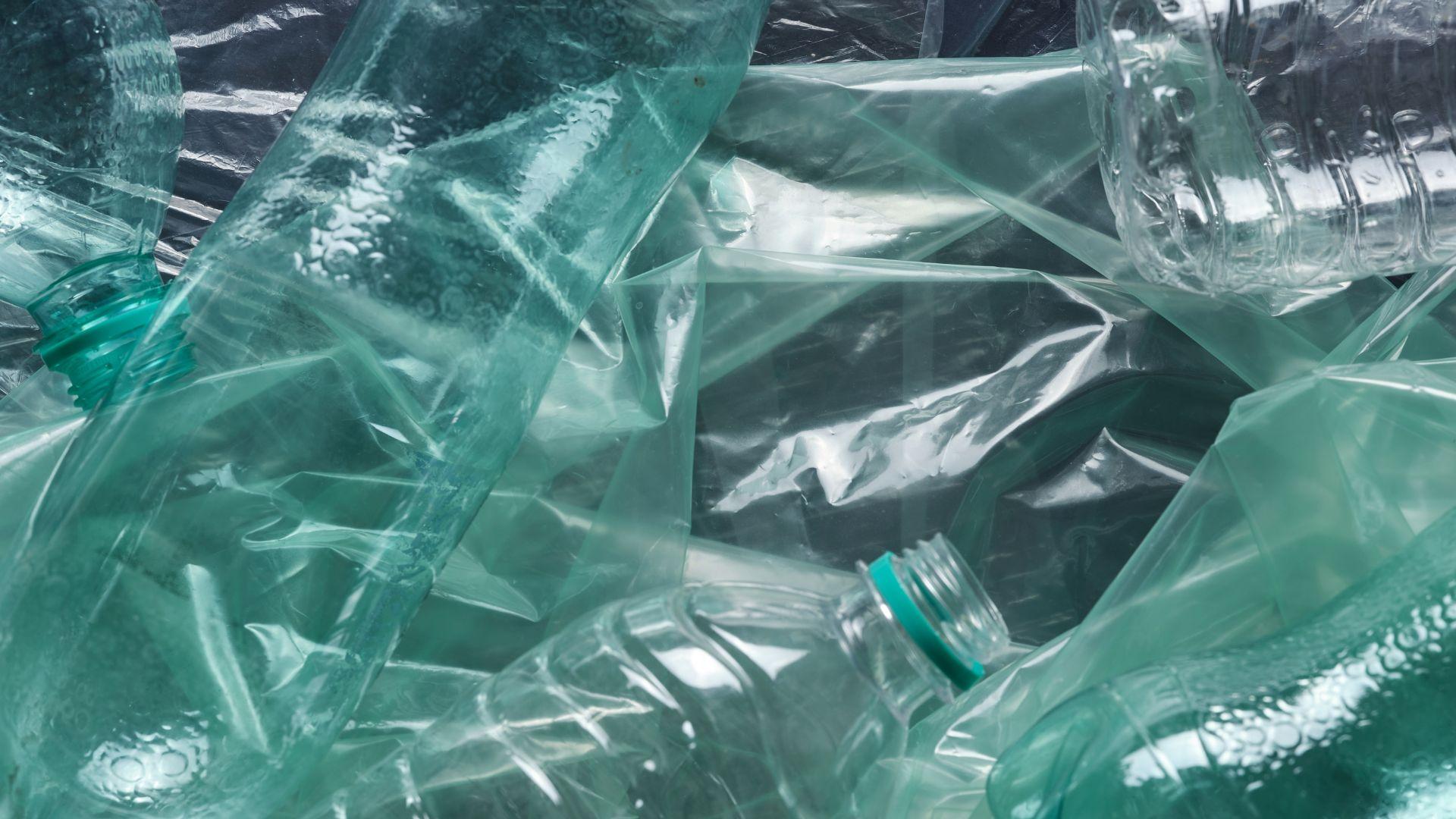
The international community is facing an unprecedented environmental crisis caused by centuries of conventional plastic overproduction. Non-degradable petroleum-based plastics linger in landfills, clog marine ecosystems, and fracture into toxic microplastics that enter the biological food chain. In response, a structural transition toward sustainable materials is underway.
According to comprehensive data compiled by Renub Research, the Global Biodegradable Plastic Market is expected to reach US$ 27.11 billion by 2034, up from US$ 9.53 billion in 2025. This massive shift represents a compound annual growth rate (CAGR) of 12.32% over the forecast period from 2026 to 2034. Driven by progressive government mandates, corporate environmental commitments, and evolving consumer sentiment, the biodegradable plastic industry is establishing itself as a vital component of the modern circular economy.
Global Biodegradable Plastic Industry Overview
The foundational momentum of the biodegradable plastic industry lies in its ability to offer a direct, functional replacement for conventional plastics without long-term environmental degradation. Unlike petrochemical plastics, which remain stable for centuries, biodegradable plastics are designed to undergo breakdown through natural microbial activity. Microorganisms like bacteria and fungi convert these biopolymers into water, carbon dioxide, and biomass, leaving no permanent chemical residues under appropriate composting conditions.
Sourcing and Material Diversity
Biodegradable plastics are predominantly derived from organic, renewable biomass materials. Common raw feedstocks include:
-
Corn Starch
-
Sugarcane
-
Cellulose
-
Agricultural Waste Byproducts
By decoupling plastic production from fossil fuels, the industry reduces carbon emissions directly at the manufacturing stage. Over the past decade, material science has advanced rapidly. Early iterations of biopolymers suffered from physical limitations, such as brittle structures, poor heat tolerance, and low moisture resistance. Continuous research and development have successfully addressed these vulnerabilities.
Today's refined biopolymers exhibit enhanced tensile strength, customized flexibility, and superior thermal stability. These upgraded performance characteristics have transformed biodegradable plastics from experimental niche alternatives into highly scalable materials suited for high-volume commercial manufacturing.
Key Regional Market Dynamics
The deployment and commercialization of biodegradable plastics vary significantly across geographies, heavily influenced by localized regulations, infrastructure funding, and regional economic priorities.
Europe: The Legislative Vanguard
Europe acts as the primary global hub for the bioplastics revolution, commanding a 38% market share. This dominance is anchored by the European Commission's strict policy frameworks, which prioritize organic recycling, mandatory waste segregation, and bio-based sourcing from agricultural byproducts.
European consumer sentiment provides a strong baseline for commercial change; for example, studies reveal that 93% of British consumers actively prefer recycled or sustainable content in plastic packaging and express a willingness to absorb premium pricing for eco-friendly consumer goods. Multinational brands are restructuring their logistics chains to align with these regional demands. PepsiCo, as an industry example, is actively developing 100% recyclable snack packaging and aims to integrate at least 50% recycled or bio-based plastics across its European operations by 2030.
United States: R&D and Corporate Adoption
The United States biodegradable plastic market is experiencing steady expansion, fueled by corporate sustainability goals and regional municipal policies rather than overarching federal mandates. High-capacity research and development centers within the country are focusing heavily on engineering cost-competitive, high-performance materials.
Packaging continues to dictate the largest operational share, particularly across the food and beverage, retail, and healthcare sectors. The physical infrastructure is supported by major material manufacturers launching natural-resource-based products to address rising consumer expectations. For instance, EcoPlastic Inc. introduced an innovative line of biodegradable plastics sourced from plant-derived materials in September 2024, targeting high-volume commercial distribution.
India: Rapid Structural Expansion
The Indian biodegradable plastic market is entering a phase of high-velocity growth. Data reveals that the domestic market size of bioplastic products stood at approximately Rs. 4,069 crore (equivalent to US$ 457.19 million) for the fiscal year 2025. Driven by intense regulatory pressure and evolving retail preferences, this market is projected to reach approximately Rs. 32,500 crore (equivalent to US$ 3.65 billion) by the fiscal year 2035, demonstrating a robust domestic growth trajectory of roughly 23% over that ten-year timeframe. Technical feasibility studies indicate that bio-based materials possess the physical performance capabilities to replace 75% or more of conventional packaging profiles across India, provided suitable collection, standardization, and take-back systems are implemented.
India Bioplastic Market Expansion Forecast (FY25 vs. FY35)
=========================================================
Fiscal Year 2025:  ■■ [US$ 457.19 Million]
Fiscal Year 2035:  ■■■■■■■■■■■■■■■■■■■■ [US$ 3.65 Billion]
United Arab Emirates: Strategic Hospitality Integration
Within the Middle East, the United Arab Emirates is strategically accelerating its biodegradable plastic market as part of its long-term national sustainability blueprints and green vision initiatives. The UAE’s extensive tourism, hospitality, and luxury retail sectors serve as the main engines of demand. Luxury hotel groups, international airlines, and major retail chains are systematically replacing single-use checkout bags, food containers, and amenity packaging with certified compostable alternatives. Government-led public awareness campaigns and targeted capital investments into sustainable industrial manufacturing are laying the groundwork for a structured domestic supply chain.
Global Competitive Landscape and Capacity Share
The global production of biodegradable plastics is highly concentrated among a select group of chemical conglomerates and specialized biomaterial firms. Manufacturing capacity dictates market influence, with distinct players focusing on specialized polymer families.
Manufacturer Capacity Allocation (2024 Data)
Core Growth Drivers Elevating the Market
The double-digit compound annual growth of the biodegradable plastic market is sustained by three overlapping structural drivers:
1. Stringent Global Environmental Legislation
Government intervention acts as the single most disruptive catalyst for material substitution. Globally, the legislative environment is tightening, with 127 nations actively restricting or imposing heavy tariffs on conventional single-use petroleum plastics.
-
India: Enacted a nationwide ban on 19 specific categories of single-use plastics in 2022, legally forcing industries to switch to compliant materials.
-
Hong Kong: Implemented comprehensive anti-plastic regulations in April 2024, establishing strict penalties up to $10,000 for non-compliance.
-
Nigeria: The Federal Ministry of Environment announced a sweeping single-use plastic ban in January 2024.
-
Solomon Islands: Began enforcing strict plastic usage limitations in March 2024.
Furthermore, the mainstream adoption of Extended Producer Responsibility (EPR) mandates requires brands to maintain full financial and physical accountability for the lifecycle of their packaging, transforming biodegradable materials into an operational necessity.
2. Rising Consumer Sentiment and Brand Strategy
Modern consumer demographics display a heightened awareness of environmental degradation. Social media platforms, viral global environmental campaigns, and transparent education regarding the lifetime of landfill waste have shifted purchasing behavior. Brands can no longer treat sustainability as a marketing gimmick; it is an essential parameter for brand equity and customer retention. Corporate entities utilize certified biodegradable packaging as a visible indicator of environmental responsibility, strengthening consumer loyalty and driving steady demand across high-volume sectors like personal care, retail checkout, and food services.
3. Rapid Material Innovation and Chemical Synthesis
The chemical composition of biopolymers has evolved significantly. Breakthroughs in synthesis methods for Polylactic Acid (PLA), Polyhydroxyalkanoates (PHA), and complex starch blends have expanded the material's structural capabilities. Researchers have successfully modified the molecular architectures of these polymers, achieving melting points, clarity factors, and stress tolerances that mirror traditional Polyethylene (PE) and Polypropylene (PP). These technological refinements enable biopolymers to be seamlessly processed on existing conventional manufacturing equipment, eliminating the need for factories to undergo expensive machinery overhauls.
Market Bottlenecks and Challenges
Despite a highly positive growth outlook, the global market must navigate complex commercial and infrastructural barriers before achieving complete mainstream substitution.
The Pricing Premia and Sourcing Complexities
The sophisticated multi-stage processing required to synthesize biopolymers introduces a significant cost premium. Transforming agricultural starch or raw sugarcane into advanced polymers like PLA requires specialized enzymes, bio-fermentation infrastructure, and precise chemical purification.
According to data compiled by the Institute for Bioplastics and Biocomposites (IfBB) Hanover, bio-based alternatives such as bio-PET and bio-PE remain roughly 20% more expensive to manufacture than their traditional petroleum-derived counterparts. In price-sensitive, low-margin sectors, this cost delta acts as a serious barrier, frequently deterring small and medium enterprises from adopting sustainable materials.
Deficiencies in Industrial Composting Infrastructure
A widespread misconception is that biodegradable plastics will decompose rapidly in any natural environment. In reality, most commercial biopolymers, such as PLA, are explicitly engineered to undergo degradation under strict, high-temperature industrial composting conditions.
Most geographic regions suffer from a severe deficit of dedicated organic waste collection systems and industrial composting plants. When biodegradable plastic is discarded improperly and enters standard municipal landfills, the anaerobic, compressed environment stalls natural decomposition. Consequently, the material fails to degrade within its designed timeline, reducing its practical ecological benefits and complicating municipal waste streams.
Government Initiatives and Regulatory Ecosystem: India Case Study
India’s structured approach to mitigating plastic pollution provides an informative blueprint of how iterative legal frameworks gradually force industries toward circular lifecycles. The nation’s strategy is orchestrated through continuous evolutions of the Plastic Waste Management (PWM) Rules:
-
PWM Rules, 2016 (The EPR Foundation): This baseline legislation formally integrated the concept of Extended Producer Responsibility (EPR). It shifted the logistical focus from municipal bodies to the producers themselves, establishing that manufacturers must create structured collection and disposal mechanisms for their post-consumer packaging.
-
PWM Amendment Rules, 2018 (Compliance Tightening): These rules refined operational tracking. They introduced a phased elimination of non-recyclable multi-layered plastics and instituted mandatory registration systems for all raw material producers and brand owners, drastically reducing untraceable plastic manufacturing.
-
PWM Rules, 2022 (Outcome-Based Mandates): This milestone update moved the industry from general collection targets to strict, outcome-focused regulations. It made specific plastic recycling percentages mandatory, legally enforced the integration of recycled or bio-based content in packaging, and introduced heavy environmental compensation fines for non-compliant enterprises.
-
PWM Amendment Rules, 2024 (Anti-Greenwashing Clauses): The current regulatory framework establishes rigorous verification standards. It dictates unambiguous testing, certification, and reporting guidelines for all materials marketed as "biodegradable." Furthermore, it mandates the absolute disclosure of all pre-consumer waste volumes, ensuring corporations cannot utilize fraudulent sustainability claims to bypass standard eco-taxes.
Recent Commercial Developments Shaping the Industry
The global market continues to transform through continuous corporate consolidations, technological launches, and cross-border partnerships:
-
May 2025 (Specialty Degradability): Teijin Frontier successfully launched an innovative line of highly transparent biodegradable drinking straws engineered explicitly for high-viscosity specialty beverages like bubble tea and fruit jellies. The product utilizes an advanced cellulose acetate resin brand named NEQASTM-OCEAN, which combines excellent marine degradability with premium structural clarity. This development earned formal quality certification from the Japan Bio Plastics Association.
-
April 2025 (Mega-Merger Scale): Packaging giant Amcor PLC successfully finalized its strategic all-stock acquisition of Berry Global, a corporate transaction valued at US$ 8.4 billion. This structural consolidation drastically expands Amcor's global manufacturing footprint and maximizes its industrial scale to deliver advanced biodegradable and circular packaging solutions worldwide.
-
March 2025 (High-Efficiency Resin Launch): NatureWorks LLC officially introduced its next-generation biopolymer platform, Ingeo Extend. This proprietary PLA resin architecture is engineered to deliver accelerated biodegradation timelines alongside enhanced film-blowing efficiency, significantly optimizing output rates for industrial packaging converters.
Comprehensive Market Segmentation Analysis
To track investment flows and volume distributions accurately, the global biodegradable plastic sector is classified across three distinct operational segments:
1. By Material Type
-
Polybutylene Adipate Terephthalate (PBAT): Highly flexible polymer, excellent for blown film applications like shopping bags and agricultural mulch.
-
Polybutylene Succinate (PBS): Offers excellent thermal stability, heavily utilized in catering disposables and hot beverage cup linings.
-
Polylactic Acid (PLA): The current volume leader; rigid, clear, and highly versatile, ideal for thermoformed containers, cold cups, and 3D printing filaments.
-
Polyhydroxyalkanoate (PHA): Synthesized directly via bacterial fermentation; features elite marine degradability, highly suited for consumer cosmetic containers and medical devices.
-
Starch Blends: Cost-effective compound mixtures leveraging natural corn or potato starches to lower overall material costs.
-
Others: Specialized niche biopolymers, including cellulose derivatives and bio-polyesters.
2. By Application Segment
-
Packaging: The single largest end-use segment globally, spanning flexible wraps, rigid containers, e-commerce mailers, and food-service disposables.
-
Agriculture: Dominated by protective mulching films, plant pots, and slow-release fertilizer coatings that naturally plow back into the soil, eliminating agricultural waste.
-
Consumer Goods: Encompassing electronic housings, household toys, personal toothbrushes, and sustainable fashion accessories.
-
Others: High-value niche fields, such as biomedical scaffolds, surgical sutures, and automotive interior panels.
3. By Geographic Coverage
-
North America: United States, Canada.
-
Europe: Germany, France, Italy, United Kingdom, Spain, Belgium, Netherlands, Turkey.
-
Asia Pacific: China, Japan, India, Australia, South Korea, Thailand, Malaysia, Indonesia, New Zealand.
-
Latin America: Brazil, Mexico, Argentina.
-
Middle East & Africa: Saudi Arabia, United Arab Emirates, South Africa.
Key Manufacturers Analyzed in Industry Reports
The strategic trajectories, SWOT profiles, and capacity developments of these primary market participants form the core of current industry evaluation:
-
TotalEnergies Corbion (Netherlands / Thailand)
-
Mitsubishi Chemical Holding Corporation (Japan)
-
Toray Industries (Japan)
-
BASF SE (Germany)
-
Green Dot Bioplastics (United States)
-
Amcor Limited (Australia / Switzerland)
Frequently Asked Questions (FAQ)
All market sizes, projections, and metrics presented below are sourced exclusively from the official industry datasets provided by Renub Research.
1. What is the projected global market size of the biodegradable plastic industry by 2034?
According to Renub Research, the global biodegradable plastic market size is projected to reach an estimated value of US$ 27.11 billion by the year 2034.
2. What was the base valuation of the global market in 2025, and what is the expected growth rate?
The global market was valued at US$ 9.53 billion in 2025. It is expanding at a steady Compound Annual Growth Rate (CAGR) of 12.32% throughout the forecast period of 2026 to 2034.
3. What is the projected market value for bioplastics in India by the fiscal year 2035?
Renub Research data indicates that India’s domestic bioplastic products market is forecasted to scale dramatically, rising from Rs. 4,069 crore (US$ 457.19 million) in FY25 to approximately Rs. 32,500 crore (equivalent to US$ 3.65 billion) by FY35, exhibiting a l

 English
 Arabic
 French
 Spanish
 Deutsch
 Turkish
 Dutch
Dutch
 Italiano
 Russian
 Romaian
 Portuguese (Brazil)
 Greek
Greek
