


 About Urh Social
 Terms of Service
 Privacy Policy
 Contact
Italy In-Vitro Diagnostics (IVD) Market: 2026–2034 Forecast
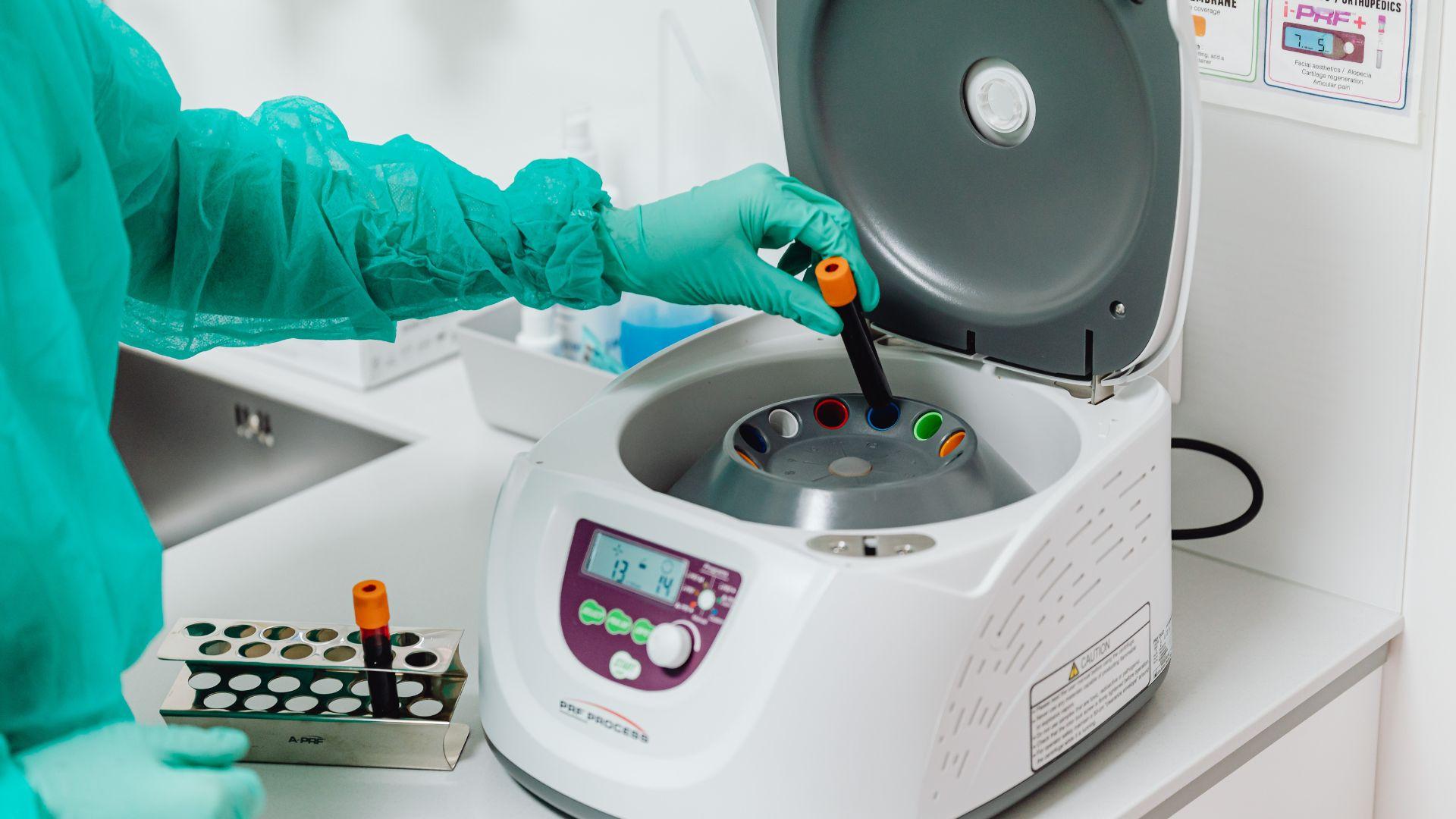
The Future of Italian Diagnostics
The Italian In-Vitro Diagnostic (IVD) market is entering a phase of sustained modernization and expansion. As the nation grapples with an aging demographic and a systemic shift toward preventive medicine, the demand for precision diagnostics has become a cornerstone of national healthcare policy.
The market is projected to grow from US$ 2.91 billion in 2025 to US$ 4.34 billion by 2034, representing a CAGR of 4.53%. This growth is underpinned by heavy investments in laboratory automation, molecular diagnostics, and a decentralized push to improve diagnostic accessibility across the country.
Key Drivers of Market Expansion
1. The Aging Demographic and Chronic Disease Burden
Italy possesses one of the oldest populations in the European Union, with approximately 25% of its inhabitants over the age of 65. Cities like Trieste (28.4%) and Genoa (27.8%) lead the nation in elderly concentration. This demographic shift has created a permanent surge in demand for chronic disease management, specifically for diabetes, cardiovascular ailments, and neurological disorders, all of which rely heavily on routine clinical chemistry and immunoassay testing.
2. National Screening and Government Initiatives
The Italian government continues to prioritize diagnostic infrastructure as a public health imperative. The 2025 budget package, which includes tax incentives for innovative medicines and antibiotics, reflects a broader commitment to modernizing the healthcare sector. These initiatives are essential for supporting large-scale national screening programs for cancer and infectious diseases, ensuring that diagnostic technology reaches beyond major metropolitan hubs.
3. Technological Transformation: Automation and Molecular Diagnostics
Healthcare laboratories are aggressively transitioning toward high-throughput automation. By integrating Chemiluminescence Immunoassay (CLIA), Polymerase Chain Reaction (PCR), and next-generation sequencing, Italian labs are minimizing human error and significantly reducing turnaround times. This modernization is not limited to central hospitals; there is a growing trend toward deploying these technologies in regional hubs to bridge the gap between urban and rural diagnostic capabilities.
Regional Market Outlook
-
Milan: The epicenter of Italian diagnostic innovation. Its status as a biotech hub and home to premier medical institutions makes it the primary market for AI-powered diagnostics and cutting-edge molecular testing.
-
Rome: Focuses on high-volume diagnostic services, driven by a massive metropolitan population and a concentration of large academic research institutions that are actively adopting point-of-care (POC) solutions.
-
Naples: Currently benefiting from increased healthcare funding aimed at modernizing its laboratory facilities, leading to a surge in demand for basic hematology and microbiology testing.
-
Turin: Leveraging its strong industrial and research background to push the boundaries of digital health, particularly in the automation of laboratory information management systems (LIMS).
Navigating Market Challenges
Addressing Regional Disparities
One of the most pressing issues in the Italian IVD market is the North-South divide. Northern regions generally enjoy a more sophisticated diagnostic ecosystem, while southern regions often face infrastructure limitations. Closing this gap through decentralized healthcare initiatives and targeted investment in southern diagnostic capacity is a primary focus for long-term national health equity.
Reimbursement and Cost Barriers
While Italy offers a public, tax-funded healthcare system, the cost of specialized molecular diagnostics and advanced automated systems remains high. The reimbursement process for new, innovative IVD devices can be slow and unpredictable, sometimes hindering the rapid adoption of breakthrough technologies. Strategic partnerships and value-based procurement models are increasingly necessary to balance fiscal sustainability with clinical innovation.
Segment Spotlight: ELISA, CLIA, and Rapid Tests
The immunoassay market (ELISA and CLIA) remains a dominant revenue driver due to its precision in diagnosing hormonal imbalances, infectious diseases, and cancers. Simultaneously, the Rapid Test segment is seeing a renaissance. Post-COVID-19, the Italian public has shown a marked preference for fast, decentralized testing solutions that can be administered in clinics or even home settings, fitting perfectly into the government's vision for a more agile and responsive healthcare system.
Final Thoughts: A Robust Path to 2034
The Italian IVD market is set to become increasingly sophisticated, efficient, and integrated. By 2034, we anticipate that the distinction between "centralized lab testing" and "point-of-care" will continue to blur, supported by digital pathology, AI-assisted diagnosis, and a more uniform distribution of high-quality diagnostic resources. For manufacturers and healthcare providers, the market rewards those who can offer scalable, automated solutions that

 English
 Arabic
 French
 Spanish
 Portuguese
 Deutsch
 Turkish
 Dutch
Dutch
 Russian
 Romaian
 Portuguese (Brazil)
 Greek
Greek
