


 About Urh Social
 Terms of Service
 Datenschutzbestimmungen
 Contact
Global Cotton Market Outlook: Trends and Forecast 2026–2034
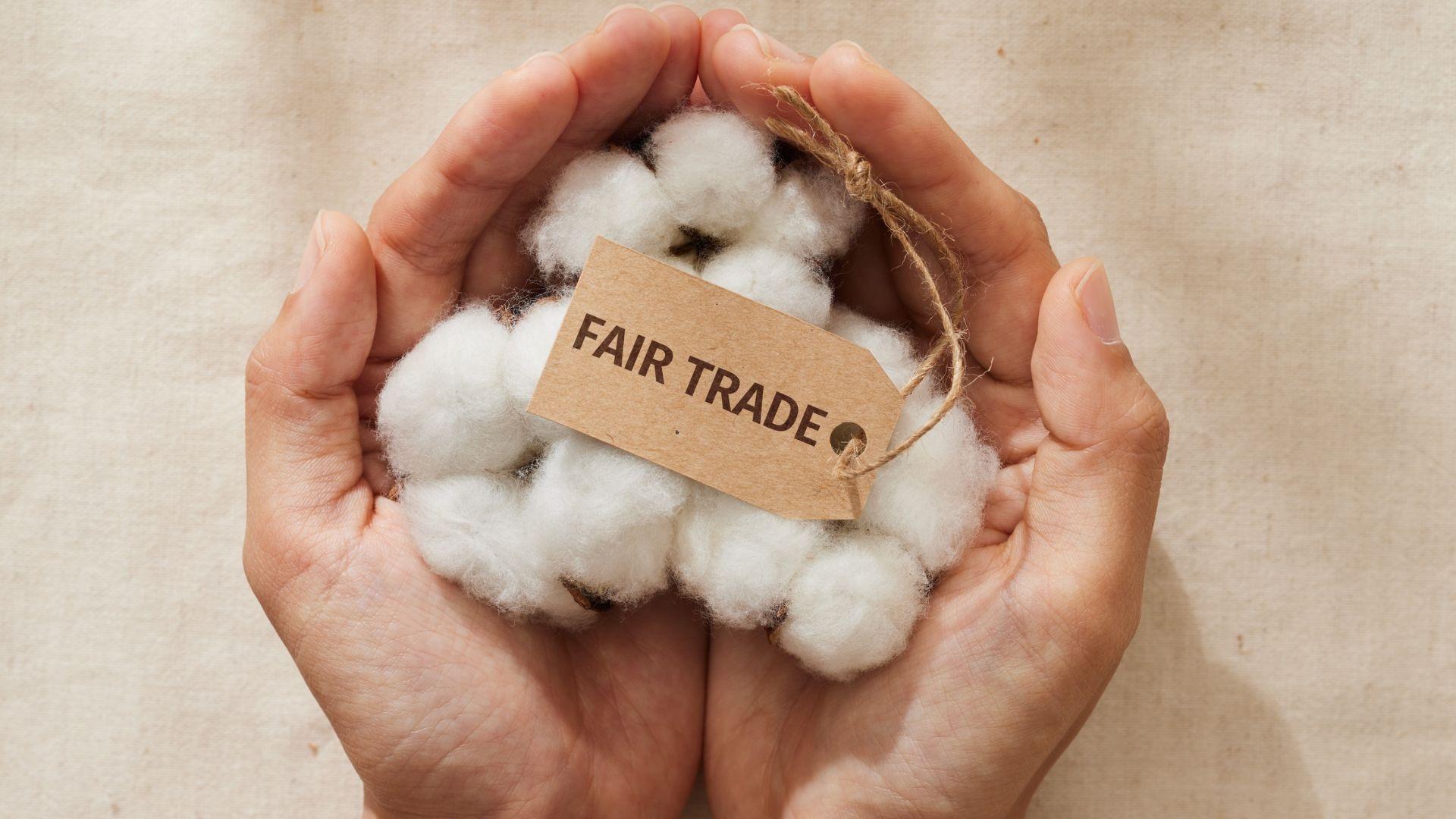
Sustaining Growth: Global Cotton Market Forecast 2026–2034
The global cotton market remains a cornerstone of the textile and agricultural sectors. According to recent industry analysis, the Cotton Market is expected to reach US$ 62.9 billion by 2034, growing from US$ 43.81 billion in 2025 at a CAGR of 4.1% from 2026 to 2034. This growth is underpinned by a resilient global appetite for natural, breathable, and sustainable fibers, driven by expanding apparel manufacturing and an increasing focus on ethical sourcing.
As the industry pivots toward modernization, the demand for cotton continues to be bolstered by rising urbanization, growing disposable incomes, and a cultural shift favoring biodegradable materials over synthetics.
Drivers of Market Expansion: Technology and Sustainability
The cotton industry is currently experiencing a technological renaissance that is directly impacting yield and profitability.
-
Biotech-Driven Yield Gains: Biotechnology has become the most potent driver of production efficiency. Today, approximately 78.4% of the world's cotton crop is genetically modified. These advancements have increased average yields by 15% to 25% compared to conventional varieties. Notably, gene-editing technologies—such as those developed by Texas A&M University—are now producing drought-tolerant lines capable of maintaining 90% production levels even under severe water-restricted conditions.
-
The Rise of Organic Cotton: Environmental consciousness is reshaping the supply chain. In 2024–2025, organic lint production reached 342,000 metric tons. Brands are increasingly incentivizing this shift; for example, in 2025, Patagonia Inc. committed to floor prices 25% higher than local benchmarks to secure GOTS-certified lint.
-
Government Support Programs: Strategic intervention remains a pillar of market stability. India’s MSP programs and China’s strategic reserve systems continue to buffer farmers against price volatility. Meanwhile, the U.S. utilizes revenue insurance through Agriculture Risk Coverage programs, providing a safety net that encourages consistent land enrollment.
Challenges: Climate Volatility and Synthetic Competition
Despite a positive outlook, the industry faces structural headwinds:
-
Climate Instability: Cotton cultivation is inherently sensitive to climatic shifts. Irregular rainfall, severe droughts, and soil degradation pose existential threats to productivity. These environmental uncertainties frequently lead to supply chain disruptions and significant price volatility, forcing manufacturers to rethink long-term sourcing strategies.
-
The Synthetic Threat: Cotton faces fierce competition from synthetic fibers like polyester and nylon. Driven by lower production costs and enhanced durability for mass-market fast fashion, synthetics often displace cotton in price-sensitive segments. To combat this, the cotton industry is increasingly positioning itself as a premium, eco-friendly, and health-conscious alternative to petroleum-based textiles.
Regional Market Dynamics
The global cotton landscape is shaped by the interplay between major producers and massive consumer hubs:
-
United States: As a global leader in agricultural innovation, the U.S. continues to dominate through advanced irrigation and seed development. With high rates of participation in revenue insurance programs, the U.S. maintains a stable and efficient supply chain.
-
India: A central player in the global market, India is aggressively modernizing. Initiatives like the "Kasturi Cotton Bharat" program and the Cotton Productivity Mission are designed to elevate quality, improve traceability through QR-coded bales, and reduce reliance on high-quality fiber imports.
-
United Kingdom: Serving as a significant demand hub for apparel and home furnishings, the U.K. market is highly focused on sustainable and ethically sourced textiles. The shift toward premium, eco-conscious clothing continues to drive demand for high-quality cotton imports.
-
United Arab Emirates: Acting as a crucial regional logistics and distribution gateway, the UAE facilitates the flow of cotton textiles to the Middle East and Africa. Its hospitality and luxury retail sectors drive the consistent demand for high-end cotton products.
Recent Strategic Developments
The industry is seeing rapid acceleration in modernization and sustainability verification:
-
Productivity Missions (Dec 2025): India launched a five-year Cotton Productivity Mission aimed at digitalizing the supply chain and fostering global acceptance of Indian cotton through rigorous certification standards.
-
Cultivar Innovation (July 2025): Corteva Agriscience introduced new PhytoGen cultivars designed to increase yields and fiber quality across the U.S. Cotton Belt, demonstrating the continuous commitment to genetic improvement.
-
Traceability Standards (June 2025): The Better Cotton Initiative (BCI) shifted to a third-party certification model, enabling brands to make verifiable, high-trust claims regarding sustainable sourcing.
Competitive Landscape and Key Players
The market competitive landscape is defined by companies that balance high-volume production with advanced processing technology. Strategic focus areas include supply chain transparency, sustainable sourcing, and vertical integration. Major entities such as KPR Mill Limited, Nitin Spinners Ltd., and Weiqiao Textile Company Limited continue to lead through technological adoption and large-scale manufacturing capacity. These firms are increasingly leveraging digital tools for inventory management and quality assurance to meet the stringent requirements of international fashion houses.
Final Thoughts
The outlook for the global cotton market is optimistic, provided the industry can successfully navigate the challenges of climate change and synthetic competition. By prioritizing biotechnology-led yield improvements, embracing transparent organic certification, and investing in climate-resilient farming, the cotton sector is well-positioned to maintain its relevance. As consumers increasingly prioritize the origin and sustainability of their clothing, cotton's natural advantages will likely ensure its status as the world’s most preferred fiber through 2034 and beyond.

 English
 Arabic
 French
 Spanish
 Portuguese
 Turkish
 Dutch
Dutch
 Italiano
 Russian
 Romaian
 Portuguese (Brazil)
 Greek
Greek
