


 About Urh Social
 Terms of Service
 Πολιτική Ιδιωτικότητας
 Contact
Global Eyewear Market: Trends, Growth, and Forecast (2026–2034)
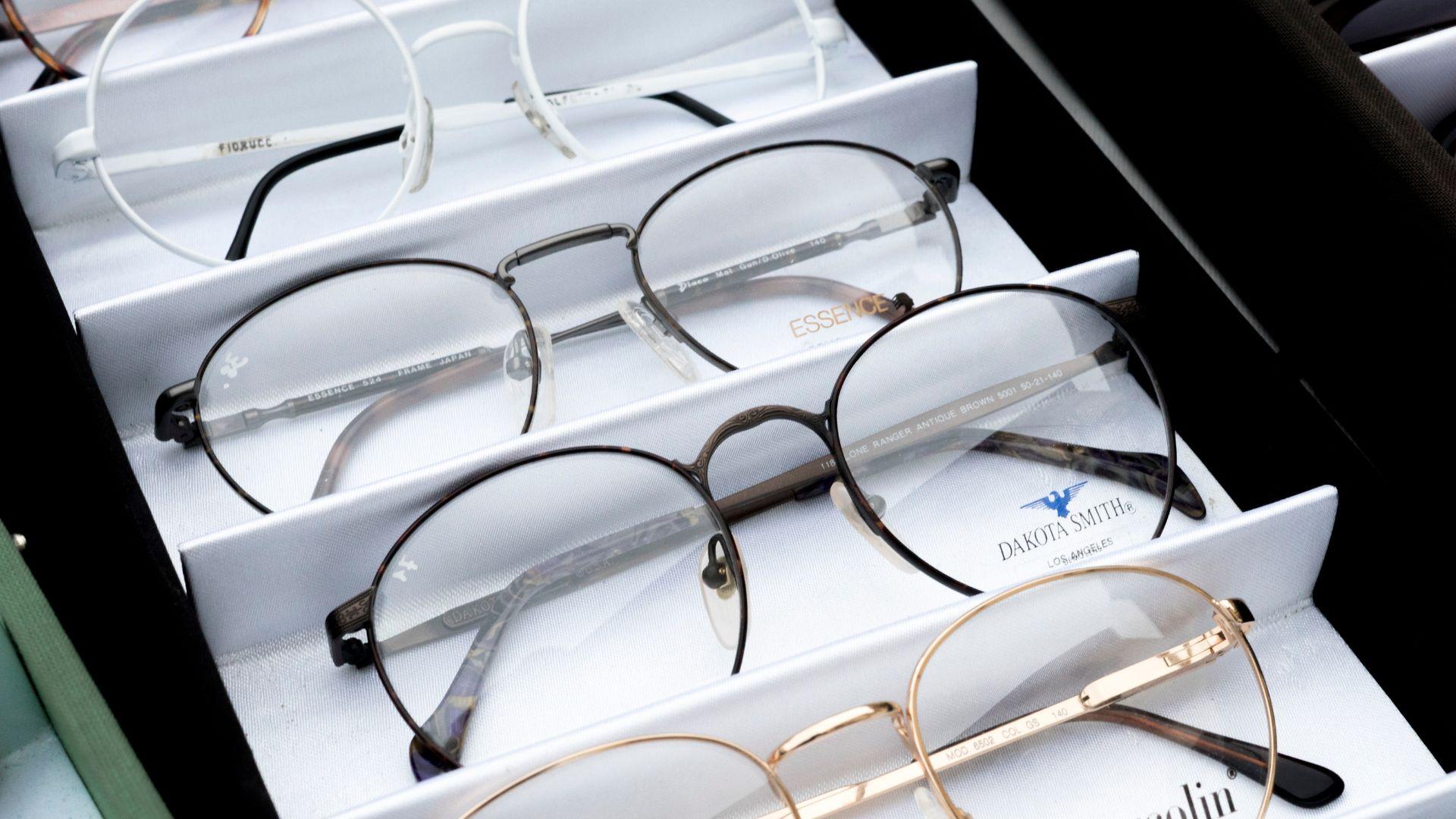
Market Overview and Growth Trajectory
The global eyewear market is undergoing a significant transformation, evolving from a standard corrective necessity into a high-tech fashion and health accessory. Valued at US$ 174.52 billion in 2025, the market is expected to reach US$ 279.68 billion by 2034, growing at a CAGR of 5.38% over the 2026–2034 forecast period.
This sustained growth is largely attributed to the global increase in myopia, presbyopia, and digital-related eye fatigue. As consumers across all age groups spend more time on digital devices, the demand for blue-light protection and corrective solutions has surged. Simultaneously, the market is benefiting from increased spending on premium, brand-conscious optical products and the convenience of daily disposable contact lenses.
Primary Growth Drivers
1. Digital Lifestyles and Eye Health
The proliferation of smartphones, laptops, and gaming systems has intensified the prevalence of digital eye strain. Consumers are increasingly seeking advanced lens solutions that provide hydration, superior oxygen permeability, and blue-light filtration. Innovations—such as Johnson & Johnson’s OptiBlue Light Filter—are setting new industry standards by combining clinical protection with visual comfort for daily wearers.
2. Premiumization and Fashion Integration
Eyewear has become a core component of personal style. The "premiumization" trend, driven by higher disposable incomes in emerging economies, is leading consumers to favor luxury frames and specialized lens coatings. The integration of high-performance materials like silicone hydrogel for contact lenses has further encouraged first-time wearers to adopt premium, comfort-focused solutions.
3. Expansion of Manufacturing and R&D
Major global manufacturers are aggressively expanding their R&D footprints to cater to localized regional needs. By establishing manufacturing hubs in key growth regions—such as Carl Zeiss Meditec AG’s recent expansion in China—companies are reducing lead times and tailoring product portfolios to the specific vision requirements and aesthetic preferences of local populations.
Regional Market Perspectives
-
United States: A mature, high-value market characterized by robust insurance coverage, high purchasing power, and a strong preference for premium, fashion-forward eyewear and daily disposable contact lenses.
-
Germany: Known for precision engineering and a focus on high-quality, durable materials. The German market is a global leader in optical innovation, with a strong demand for advanced progressive lenses and eco-friendly frame materials.
-
China: One of the world’s fastest-growing markets, driven by rapid urbanization, rising myopia rates among youth, and the expansion of affordable, digital-first retail platforms.
-
Saudi Arabia: Supported by the "Vision 2030" initiative, the region is seeing significant modernization in healthcare and a rise in demand for international optical brands and advanced diagnostics.
Technological Shifts: The Rise of Smart Eyewear
The industry is currently witnessing a paradigm shift with the mainstreaming of Smart Eyewear.
-
EssilorLuxottica’s aggressive scaling strategy, aiming for 10 million smart-glass units annually by 2026, underscores the industry's pivot toward wearable technology. These devices are evolving beyond simple frames to incorporate open-ear audio, AI voice assistants, and augmented reality (AR) features.
-
Augmented Reality (AR) Retail: Companies like Innovative Eyewear are leveraging AR tools to allow consumers to try on frames virtually, bridging the gap between online convenience and physical retail confidence.
Challenges and Sustainability Concerns
While the outlook is positive, the industry faces structural hurdles:
-
Environmental Footprint: The reliance on petroleum-based plastic frames and the issue of microplastic waste from single-use contact lenses are major concerns. While bio-acetate and recycled plastics are gaining ground, they currently represent a small fraction of the total market volume.
-
Accessibility: High costs for premium lenses and diagnostic services remain a barrier in low-income and rural regions, where consumers often rely on low-quality, non-prescription alternatives that can exacerbate long-term vision issues.
Final Thoughts
The global eyewear market is poised for steady, long-term expansion through 2034. The future of the industry lies in the delicate balance between medical necessity and lifestyle integration. Manufacturers that succeed will be those who can scale production effectively, address the environmental impact of plastic-based products, and continue to innovate in the "phygital" space—combining high-tech smart features with high-fashion aesthetics. As vision care becomes more digitized and accessible, the barrier between corrective eyewear and wearable tech will continue to blur, offering significant opportunities for growth across all segments.

 English
 Arabic
 French
 Spanish
 Portuguese
 Deutsch
 Turkish
 Dutch
Dutch
 Italiano
 Russian
 Romaian
 Portuguese (Brazil)
