


 About Urh Social
 Terms of Service
 سياسة الخصوصية
 Contact
The Future of Fragrance: Navigating the United States Air Fresheners Market (2025–2033)
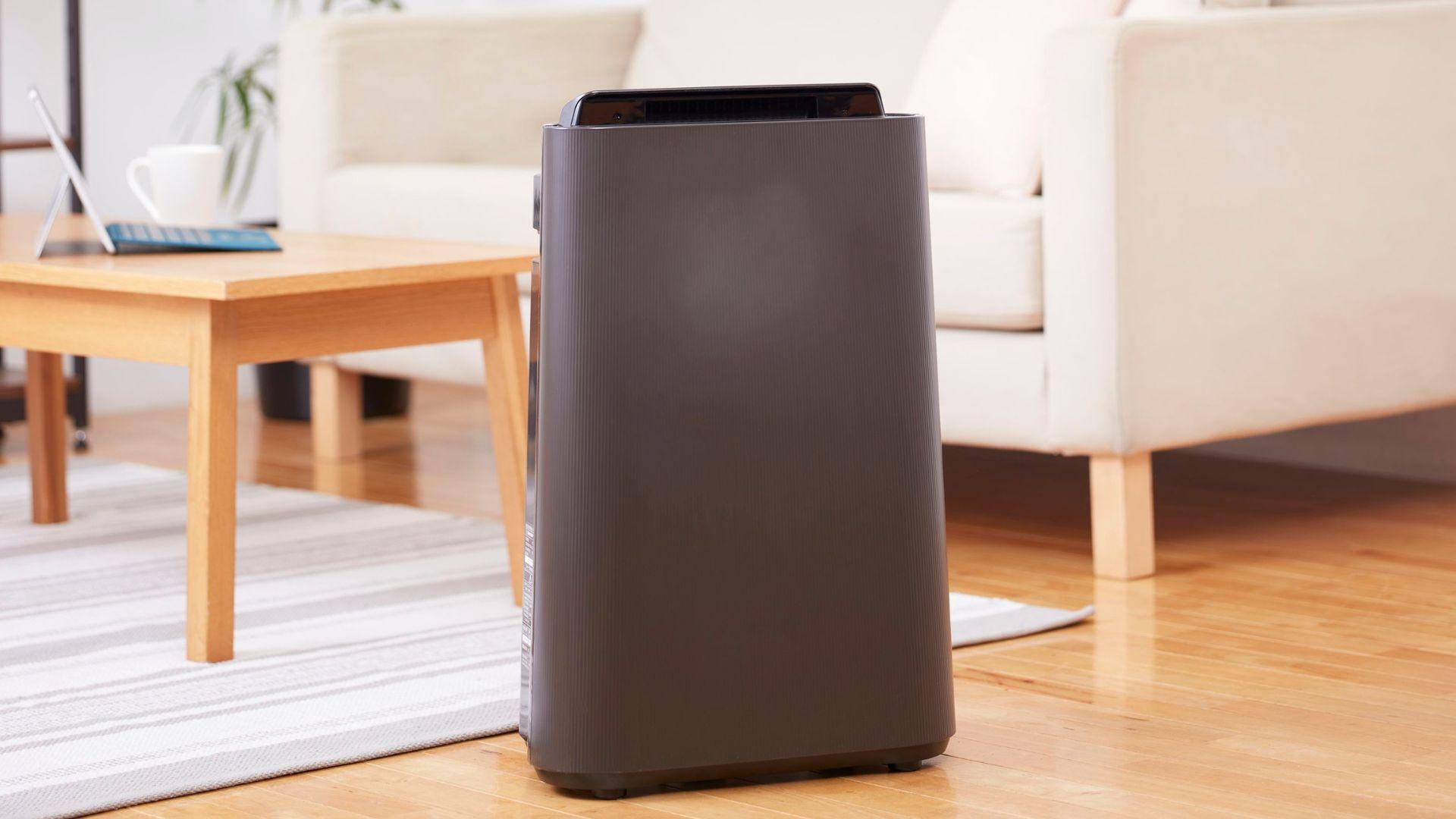
The American approach to indoor environments is undergoing a significant transformation. Once considered a simple household chore, odor management has evolved into a sophisticated lifestyle choice centered on wellness, personalization, and environmental consciousness. As the United States Air Fresheners Market moves through the 2025–2033 forecast period, it is positioned for steady, strategic expansion, driven by a convergence of technological innovation and shifting consumer values.
Market Trajectory: A Path of Sustained Growth
According to the latest industry analysis, the United States Air Fresheners Market is projected to grow from US$ 2.71 billion in 2024 to US$ 3.86 billion by 2033. This represents a healthy compound annual growth rate (CAGR) of 4.02%.
This growth is not merely a reflection of increased sales volume but signifies a deeper integration of fragrance products into the daily American experience. From the living rooms of suburban families to the interiors of the nation’s rapidly growing electric vehicle (EV) fleet, air fresheners have become essential tools for crafting and maintaining the "mood" of a space.
Download Free Sample Report: https://www.renub.com/request-sample-page.php?gturl=united-states-air-fresheners-market-p.php
Key Market Drivers: Why Demand is Rising
Several macro-trends are propelling this market forward, reshaping how consumers interact with their surroundings.
1. The Elevation of Home Ambience
The post-pandemic landscape fundamentally altered the relationship between Americans and their homes. As the home became a multi-purpose sanctuary for work, leisure, and fitness, the importance of "olfactory comfort" surged. Consumers are no longer satisfied with just masking odors; they are seeking immersive experiences that promote relaxation and mental clarity. This shift has prompted major players to innovate. For instance, the introduction of advanced technologies—like Procter & Gamble’s Febreze Airia—utilizing thermal ink-jet technology to ensure consistent, smart fragrance delivery, marks a shift toward precision and reliability in home scenting.
2. The Automotive Fragrance Boom
With the average U.S. household managing nearly 1.8 vehicles, the car has become a secondary living space. The rise of long-distance commuting and the expansion of the ride-sharing economy have turned vehicle interior scenting into a necessity rather than a luxury. Manufacturers are responding by engineering long-lasting, heat-resistant, and aesthetically pleasing solutions like vent clips and specialized diffusers that cater specifically to the needs of modern drivers, including the growing cohort of EV owners.
3. Technological and Aroma Innovation
The industry is currently in the midst of an "innovation wave." We are seeing a move away from generic, overpowering sprays toward "smart" diffusers, slim plug-ins, and eco-conscious delivery systems. These innovations are designed to integrate seamlessly into modern home designs, proving that fragrance is as much about aesthetics as it is about smell.
Navigating Challenges: The Push for Purity
Despite the optimistic growth forecast, the industry faces significant hurdles that are forcing a transformation in how products are formulated and marketed.
-
The Health & Environmental Scrutiny: Today’s consumer is hyper-aware of "chemical footprints." The presence of Volatile Organic Compounds (VOCs) and certain synthetic chemicals has led to increased skepticism. Consumers are now reading labels with a critical eye, demanding transparency.
-
The Demand for "Clean" Products: This vigilance has created a lucrative niche for "green-label" and non-toxic alternatives. Brands that successfully replace synthetic bases with essential oils and plant-based ingredients are finding significant favor among health-conscious demographics.
-
Market Saturation: The U.S. market is fiercely competitive. With a high density of both legacy brands and agile newcomers, the pressure on profit margins is intense. Survival in this environment requires more than just a good scent; it requires a clear, focused brand identity and the ability to pivot toward niche wellness trends.
Segment Analysis: Where the Action Is
Product Formats
While sprays and aerosols remain the volume leaders due to their immediate efficacy and affordability, there is a clear trend toward premiumization. Consumers are trading up to electric plug-ins and smart diffusers that offer a "set it and forget it" lifestyle. Scented candles continue to thrive, particularly among Millennial and urban demographics, who view them as essential components of home decor and ritualistic relaxation.
Regional Highlights
-
California: Often the trendsetter for the nation, the California market is leading the charge in sustainable packaging and plant-based fragrance formulations, heavily influenced by its strict environmental awareness and wellness-focused culture.
-
New York & New Jersey: These high-density markets demand convenience. Quick-fix solutions like portable car fresheners and high-end diffusers for urban apartments and hospitality suites dominate here.
-
Washington: Reflecting the state’s commitment to sustainability, Washington’s market shows a high preference for essential-oil-based products and eco-friendly manufacturing, with a loyal customer base for locally sourced and "clean" air care.
The Strategic Path Forward
The future of the U.S. air freshener market lies in the ability of manufacturers to address the "wellness" factor. To succeed between 2025 and 2033, companies must bridge the gap between fragrance and functionality.
The industry is moving toward a model where air fresheners do more than just neutralize odors—they should contribute to a healthier indoor environment. By investing in AI-driven smart dispensers, adopting sustainable, biodegradable materials, and prioritizing ingredient transparency, market players can convert cautious consumers into loyal, long-term advocates.
As the industry matures, the brands that thrive will be those that can successfully position themselves as partners in the consumer’s pursuit of a cleaner, more personalized, and more serene living space. Whether in the home or on the road, the air freshener of tomorrow is not just a scent—it is an essential element of the modern, intentional lifestyle.
Summary Table: Key Market Outlook (2025–2033)
| Metric | Details |
| Market Size (2024) | US$ 2.71 Billion |
| Projected Market Size (2033) | US$ 3.86 Billion |
| CAGR (2025-2033) | 4.02% |
| Key Growth Drivers | Home Ambience, Automotive Usage, Wellness Trends |
| Primary Challenges | Chemical/VOC Concerns, Market Saturation |
| Key Product Segments | Sprays/Aerosols, Electric Diffusers, Candles, Gels |

 English
 French
 Spanish
 Portuguese
 Deutsch
 Turkish
 Dutch
Dutch
 Italiano
 Russian
 Romaian
 Portuguese (Brazil)
 Greek
Greek
