


 About Urh Social
 Terms of Service
 Política de Privacidade
 Contact
Chilling the Continent: The Rapid Evolution of the Africa Air Conditioner Market (2026–2034)
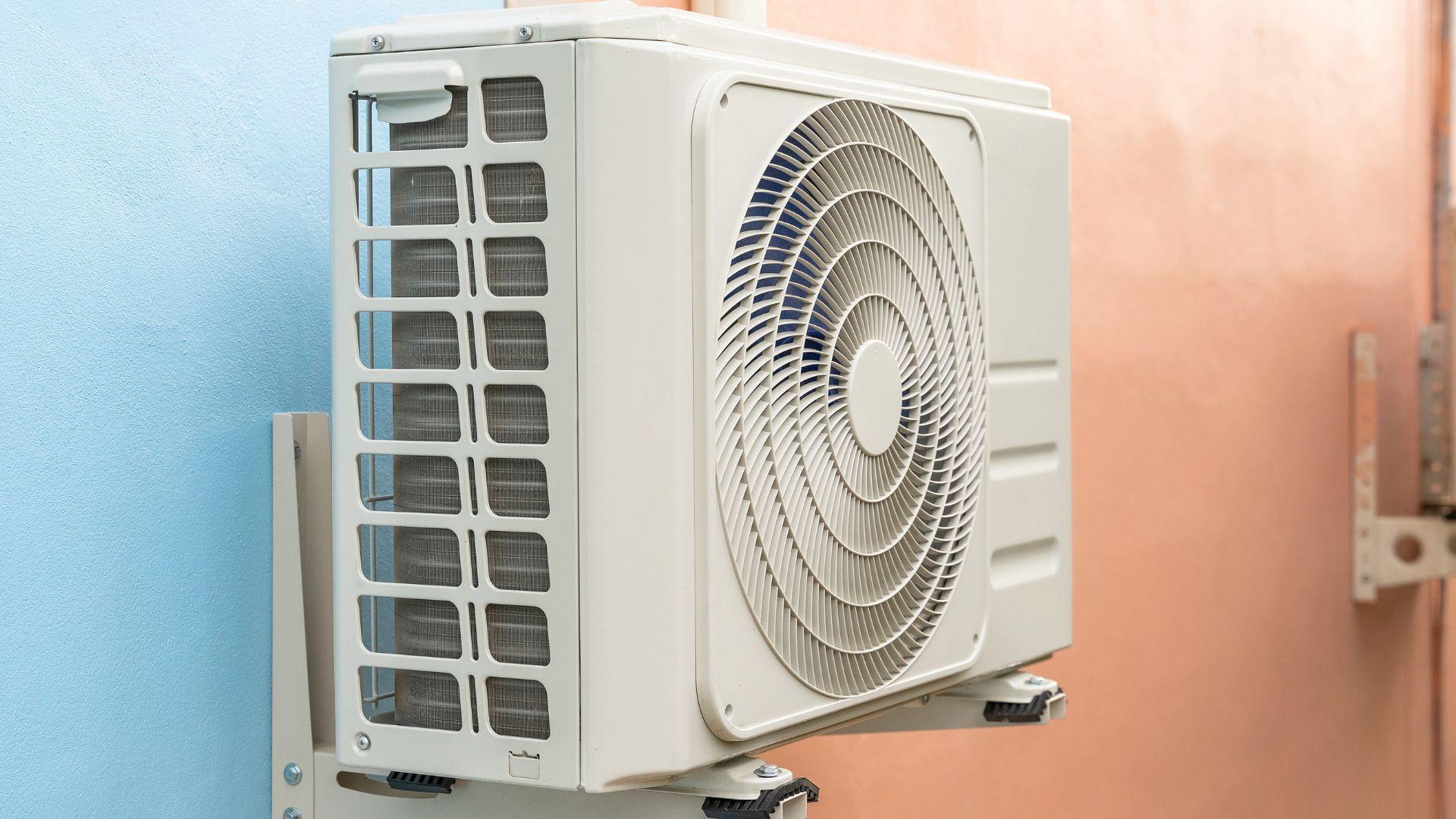
The African continent is currently undergoing a transformative period defined by rapid urbanization, economic diversification, and a challenging climatic reality. As temperatures continue to rise and the middle class expands, what was once considered a luxury—the air conditioner—is rapidly becoming an essential component of modern African infrastructure. From the bustling commercial centers of Lagos to the high-end residential developments in Cairo and the industrial hubs of Johannesburg, the demand for cooling solutions is skyrocketing.
According to recent analysis from Renub Research, the air conditioner market in Africa is poised for significant growth, projected to expand from US$ 8.23 billion in 2025 to US$ 13.14 billion by 2034. This growth, characterized by a steady compound annual growth rate (CAGR) of 5.34%, reflects a continent that is increasingly prioritizing climate comfort, energy efficiency, and modern standards of living.
The Drivers of Change: Why Africa is Cooling Down
The surge in demand for air conditioning systems across Africa is not driven by a single factor, but rather by the convergence of environmental, social, and economic imperatives.
Download Free Sample Report: https://www.renub.com/request-sample-page.php?gturl=africa-air-conditioner-market-p.php
1. Rising Temperatures and the Climate Imperative
Perhaps the most immediate driver is the changing climate. Africa is experiencing warming trends that exceed global averages. Data suggests that average annual temperatures on the continent have risen significantly since the 1990s, with North Africa particularly affected, showing increases of over 1.28°C compared to historical baselines. The extreme weather events witnessed during the 2023–2024 El Niño cycle have acted as a wake-up call for both governments and citizens. Cooling solutions are no longer viewed as a choice for comfort but as a critical adaptation strategy for public health in hospitals, educational institutions, and residential spaces.
2. Rapid Urbanization and Construction
Africa’s urban population is expected to double by 2050, reaching 1.4 billion people. This massive migration toward urban centers is driving a construction boom that shows no signs of slowing. As new residential, commercial, and mixed-use developments rise across the continent’s major cities, building codes and tenant expectations are evolving to include climate-control systems as a standard feature. The "urban lifestyle" is naturally tethered to the adoption of modern appliances, and the air conditioner is the flagship of this transition.
3. Economic Growth and the Rising Middle Class
With a projected real GDP growth of 3.9% in 2025, Africa is outpacing several other developing regions. This economic vitality is fueling a growing middle class with increased disposable income. For these households, the shift from traditional cooling methods—such as ceiling fans or natural ventilation—to electric air conditioning marks a significant improvement in quality of life. Furthermore, increased access to installment payment plans and consumer financing has made these once-prohibitive appliances accessible to a much broader segment of the population.
The Technological Shift: Moving Toward Efficiency
As the market matures, African consumers and developers are becoming more sophisticated, prioritizing systems that offer long-term value over short-term savings.
Multi-Split and VRF Systems
The market is witnessing a clear move toward advanced technology. Multi-split air conditioners are gaining traction in residential and small commercial settings because they allow multiple indoor units to connect to a single outdoor compressor, saving valuable exterior space in densely packed urban apartments and villas.
Meanwhile, Variable Refrigerant Flow (VRF) systems are emerging as the gold standard for the commercial sector. Hospitals, large office buildings, and shopping malls are increasingly opting for VRF technology due to its superior energy efficiency and the ability to provide precise, zone-based temperature control. While the upfront investment for VRF is higher, developers are recognizing that the long-term energy savings make it a more sustainable financial choice.
Regional Spotlight: Key Markets Driving Growth
The African market is diverse, with growth dynamics differing by region.
-
South Africa: As the continent’s most infrastructure-mature market, South Africa is the leader in adopting advanced HVAC technology. The focus here is on energy-efficient split-systems and high-end industrial cooling. Despite challenges with power reliability, the market continues to innovate, as evidenced by major acquisitions—such as Mitsubishi Electric’s stake in Intramech Pty Ltd.—designed to bolster local service and technical capabilities.
-
Egypt: Scorching summers and a massive government-led push for new city infrastructure are propelling the Egyptian market forward. The country is moving toward local manufacturing, a trend highlighted by the entry of global tech players like Iveda, which is establishing new manufacturing ventures for smart home appliances, including cooling systems, to meet domestic demand.
-
Nigeria: Urbanization in Nigeria’s commercial hubs is driving a booming demand for air conditioning in offices and malls. Despite power reliability challenges, the market is expanding, supported by industry giants like Daikin, which are establishing "Brand Shops" to provide local expertise and high-quality installation, ensuring that consumers receive the best performance from their units.
-
Morocco: A thriving tourism and commercial sector is the engine behind Morocco’s steady growth. The Moroccan government is actively working with international manufacturers like Daikin to train a new generation of skilled HVAC-R workers, ensuring that the country’s infrastructure development is matched by a capable workforce.
Addressing the Challenges: The Path to Accessibility
Despite the promising growth, the industry faces two significant hurdles that must be overcome to unlock the full potential of the African market.
1. Power Infrastructure Reliability
The most persistent challenge is the inconsistency of the power grid. Air conditioners require a stable supply of electricity to function. In many regions, frequent power outages and underdeveloped electrical infrastructure pose a barrier to adoption. Manufacturers are responding by focusing on energy-efficient models that consume less power and can work more effectively with backup power solutions like solar inverters or generators.
2. High Initial and Operational Costs
For the budget-conscious consumer, the initial price of an air conditioner remains high, and the high cost of electricity makes operating them a monthly burden. To address this, the industry is increasingly focusing on education regarding "Lifecycle Costing." By shifting the narrative from the initial purchase price to the long-term savings provided by highly efficient units, distributors are helping customers make more informed, cost-effective decisions.
Market Segmentation and Outlook
The African AC market is segmented by type and end-user, with a clear focus on diversifying product offerings:
-
By Type: While single-split and window units dominate the residential sector, the market for precision air conditioning and VRF systems is growing rapidly within the commercial and industrial segments.
-
By End-User: The Residential sector remains the volume driver, but the Commercial segment (hotels, retail, healthcare) is driving the highest value-added growth due to the scale and complexity of the projects.
Strategic Implications for Players
For manufacturers like LG, Samsung, Daikin, Hisense, and Midea, the winning strategy in Africa is no longer just about volume—it is about integration. Companies that invest in local distribution networks, offer high-quality after-sales service, and tailor their products to handle the specific power and climatic conditions of Africa will emerge as the dominant leaders.
Recent strategic partnerships, such as Daikin’s collaboration with Morocco’s vocational training offices, underscore that long-term success in Africa requires a commitment to local human capital development. As the market reaches the US$ 13.14 billion milestone by 2034, it will be defined by companies that treat the continent not just as a sales destination, but as a hub for local technological expertise.
Conclusion
The Africa air conditioner market is a microcosm of the continent’s broader economic journey. It is a story of transition—from basic cooling to high-tech climate control, from reliance on imported solutions to the development of local expertise, and from a luxury-focused segment to a necessity-driven industry.
As we look toward 2034, the combination of a rising middle class, urban expansion, and the undeniable reality of climate change ensures that the demand for cooling will remain a permanent fixture of the African economy. While challenges regarding power and affordability remain, the trajectory is clearly upward. For investors, manufacturers, and urban planners, the "cooling" of Africa represents not just a market opportunity, but an essential step in building the resilient, modern infrastructure required for the continent's next stage of growth. The next decade will be characterized by greater efficiency, smarter technology, and a deeper integration of climate-control solutions into the everyday life of the African people.
Summary of African AC Market Projections (2026–2034)
| Metric | Projection |
| 2025 Market Size | US$ 8.23 Billion |
| 2034 Market Size | US$ 13.14 Billion |
| Growth Rate (CAGR) | 5.34% |
| Primary Driver | Climate change and rising urban temperatures |
| Strategic Focus | Energy efficiency and local workforce development |
| Key Regional Markets | South Africa, Egypt, Nigeria, Morocco |

 English
 Arabic
 French
 Spanish
 Deutsch
 Turkish
 Dutch
Dutch
 Italiano
 Russian
 Romaian
 Portuguese (Brazil)
 Greek
Greek
