


 About Urh Social
 Terms of Service
 Privacy Policy
 Contact
Chilling the Desert: The Middle East Air Conditioner Market Dynamics and Forecast (2026–2034)
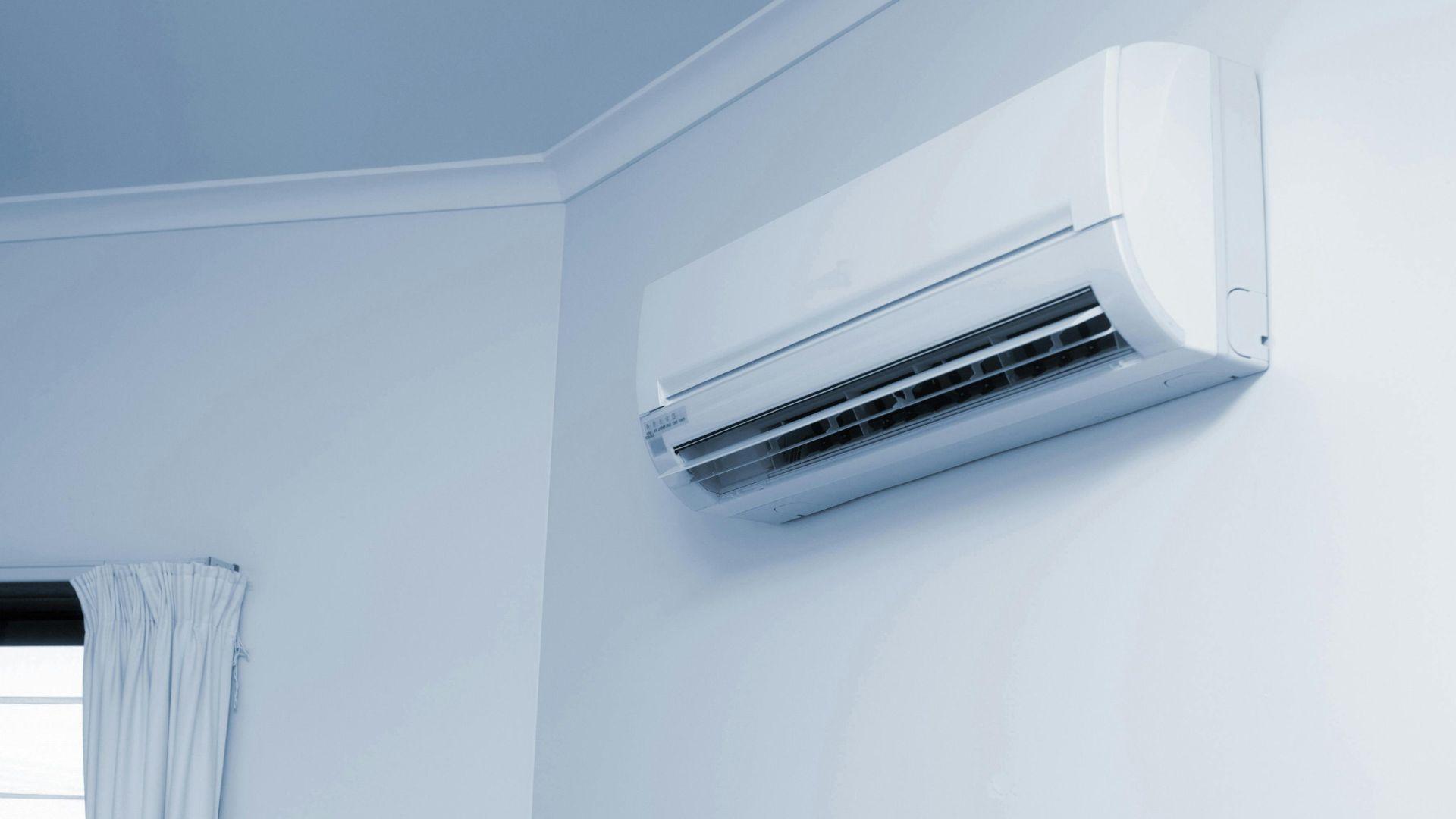
In the Middle East, air conditioning is far from a luxury; it is a fundamental pillar of modern existence. In a region where temperatures frequently exceed 50 °C and summers are marked by relentless heat, the ability to control indoor climate is a necessity for health, productivity, and social cohesion. As the region continues to undergo rapid urbanization and implement ambitious "Vision" projects, the demand for cooling technology has entered a period of sustained, high-value growth.
According to data from Renub Research, the Middle East air conditioner industry is projected to grow from US$ 5.92 billion in 2025 to US$ 9.35 billion by 2034. This represents a steady Compound Annual Growth Rate (CAGR) of 5.21% over the 2026–2034 period. This expansion is driven by a convergence of environmental pressures, construction booms, and a decisive shift toward energy-efficient, "smart" cooling solutions.
Understanding the Industry Landscape
An air conditioner functions as a critical environmental control device. By utilizing refrigerant fluids and complex coil systems to remove heat from closed spaces, these machines maintain temperature, humidity, and air quality. While traditional window units were once the standard, the market has evolved significantly. Today, consumers and commercial developers alike choose from a diverse array of technologies—including split, ductless, and central air systems—integrated with advanced features such as air purification, inverter technology, and IoT-enabled smart controls.
The Middle Eastern market is distinct due to its unique climate profile. Coastal regions grapple with high humidity, while inland areas face harsh, dry desert conditions. This necessitates high-performance, durable equipment capable of operating efficiently under extreme thermal stress.
Download Free Sample Report: https://www.renub.com/request-sample-page.php?gturl=middle-east-air-conditioner-market-p.php
Core Growth Drivers
1. Extreme Climate Conditions and Rising Temperatures
The environmental context is the primary catalyst for market growth. Recent data indicates that the region’s average temperatures continue to climb, with heatwaves becoming both more frequent and longer in duration. When ambient temperatures regularly cross the 45 °C threshold, air conditioning becomes a physiological necessity. This reality ensures a "baseline" demand that is virtually immune to economic volatility. As global warming continues to influence regional weather patterns, the reliance on high-capacity, heavy-duty cooling units in every residential, public, and industrial space will only intensify.
2. Rapid Urbanization and Infrastructure Development
The Middle East is currently a global hub for mega-infrastructure projects. With approximately 55% of the world’s population already residing in urban centers—a number projected to climb to 68% by 2050—the region is at the forefront of this trend. Massive government-backed investments in smart cities, luxury hotels, airports, and commercial districts are creating a continuous need for advanced HVAC (Heating, Ventilation, and Air Conditioning) systems. Projects such as the Rimal Park development and various smart city initiatives are not just buildings; they are climate-controlled ecosystems that require sophisticated, centralized cooling infrastructure. Furthermore, as older building stocks are renovated to meet modern standards, there is a consistent "replacement demand" for outdated, inefficient units.
3. The Pivot to Energy Efficiency and Smart Tech
Sustainability is no longer a corporate buzzword in the Middle East; it is a regulatory imperative. Governments are imposing strict energy efficiency standards to reduce the load on power grids and lower carbon footprints.
-
Inverter Technology: Consumers are moving away from traditional, power-hungry models toward inverter-based air conditioners that modulate energy usage.
-
Smart Integration: IoT-based controls, remote monitoring, and automation are gaining mass adoption. These systems allow for optimized cooling performance, ensuring that energy is not wasted in empty rooms.
-
Industry Innovation: Leading manufacturers are actively launching products that align with these goals. For instance, in March 2024, Trane Technologies introduced a residential line featuring low-GWP (Global Warming Potential) refrigerants and smart controls, setting a new benchmark for the market.
Key Industry Challenges
Despite the robust growth forecast, the industry faces significant obstacles:
-
Grid Load Pressure: The massive scale of AC usage, particularly during peak summer months, places an enormous strain on regional power grids. This necessitates substantial investment in infrastructure to prevent power outages, adding a layer of socio-economic pressure to the industry.
-
Operational and Maintenance Costs: Extreme environmental conditions—specifically the persistent threat of sand, dust, and humidity—take a heavy toll on machinery. Regular, professional maintenance is required to ensure longevity and efficiency. For price-conscious residential consumers, the combined burden of high installation costs and ongoing maintenance can be a barrier to adopting advanced, high-end models.
Segment Analysis: Technology and Application
Variable Refrigerant Flow (VRF) Systems
The VRF segment is expanding rapidly within the commercial and high-end residential sectors. VRF technology allows multiple indoor units to connect to a single outdoor unit, providing precise, zone-specific temperature control. Its efficiency, quiet operation, and compact design make it the gold standard for modern, mixed-use buildings.
Split Air Conditioners
Split systems remain the backbone of the residential and small-business market. They are preferred for their cost-effectiveness, ease of installation, and cooling efficiency. As inverter technology becomes standard, split units are becoming significantly cheaper to operate, cementing their status as the primary choice for the average consumer.
Precision Air Conditioning
As the Middle East undergoes a digital transformation, the demand for precision cooling is skyrocketing. Data centers, telecommunication facilities, and research laboratories require highly stable temperature and humidity levels to protect sensitive electronic equipment. Precision air conditioners, designed for 24/7 continuous operation and high reliability, are now critical infrastructure components in the regional economy.
Regional Market Highlights
-
Saudi Arabia: The largest market in the region, driven by massive government-led mega-projects and a commitment to smart city development. In January 2025, Panasonic’s launch of the OASYS Residential Central AC system—which promises 50% lower energy consumption—exemplifies the country's push for efficient, large-scale cooling.
-
United Arab Emirates: Characterized by highly developed infrastructure and a focus on luxury, high-capacity cooling. The UAE serves as a trendsetter for sustainability, pushing for smart-building integration. The recent expansion of AUX Air Conditioners into the UAE market signals continued investor confidence in this territory.
-
Kuwait: The market here is defined by a reliance on split and window units to combat intense summer heat. A notable recent development is the partnership between Zamil Air Conditioners and J2 Innovations, focusing on "Zamil Intelligence"—a platform designed to manage HVAC systems via big data analytics.
-
Qatar: Benefiting from significant investment in commercial infrastructure, Qatar is seeing high adoption rates for advanced cooling in airports, hotels, and large public event spaces. The 2024 launch of LG’s "DUALCOOL" line specifically tailored for the region's humid conditions highlights how global brands are customizing their offerings for the Qatari market.
The Competitive Landscape
The market features a blend of global giants and specialized regional players. Top companies, including Daikin Industries, Fujitsu General, Blue Star, Samsung, Lloyd, Hisense, and Super General, are actively competing through product differentiation.
The competitive strategy for these firms is currently defined by three key pillars:
-
Product Longevity: Building units that can withstand harsh desert environments.
-
Sustainability: Meeting stringent regional energy-efficiency regulations.
-
Digital Integration: Moving toward "Connected Cooling" where HVAC systems are fully integrated into building automation software.
Future Outlook: A Cooled Tomorrow
As we look toward 2034, the Middle East air conditioner industry is set to play a pivotal role in the region's development. The transition from simple cooling units to sophisticated, intelligent, and energy-efficient systems mirrors the broader transformation of the Middle East into a modern, tech-driven, and sustainable global hub.
The industry is not merely selling hardware; it is selling comfort and continuity in one of the world's most challenging environments. For manufacturers and stakeholders, the path forward involves balancing the high demand for cooling with the urgent need for environmental stewardship. As the market reaches the US$ 9.35 billion valuation by 2034, it will do so by successfully blending high-performance engineering with the cutting-edge smart technologies that define the next generation of urban living.
The growth trajectory is clear: as long as the desert sun remains a dominant feature of the landscape, the Middle East will continue to be one of the most vital, innovative, and growing air conditioner markets in the world. The focus for the next decade will be on increasing efficiency, minimizing environmental impact, and creating smarter systems that provide seamless, invisible, and reliable climate control.

 English
 Arabic
 French
 Spanish
 Portuguese
 Deutsch
 Turkish
 Dutch
Dutch
 Russian
 Romaian
 Portuguese (Brazil)
 Greek
Greek
