


 About Urh Social
 Terms of Service
 Privacy Policy
 Contact
Can a Urologist Help with Pelvic Pain?
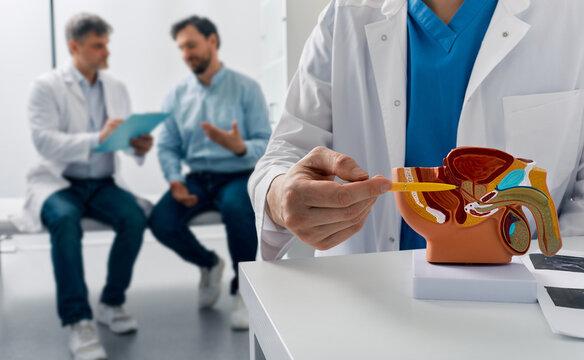
Pelvic pain is a common health concern that can affect both men and women. It may range from a mild, occasional discomfort to severe, long-lasting pain that interferes with daily activities, work, and overall quality of life. Since the pelvis contains several important organs, including the bladder, reproductive organs, intestines, muscles, and nerves, identifying the exact cause of pelvic pain can sometimes be challenging.
Many people wonder whether a urologist is the right specialist to consult for pelvic pain. The answer depends on the underlying cause, but in many cases, a urologist plays a vital role in diagnosing and treating pelvic pain related to the urinary tract and male reproductive system. Understanding when to seek urological care can help you receive an accurate diagnosis and effective treatment sooner.
In this article, we'll explore how a urologist helps with pelvic pain, common causes, available diagnostic methods, treatment options, and when you should schedule an appointment.
What Is Pelvic Pain?
Pelvic pain refers to discomfort felt in the lower abdomen, below the belly button, or around the pelvic region. It may be sharp, dull, burning, cramping, or aching. The pain can occur suddenly (acute) or persist for several months (chronic).
Depending on its cause, pelvic pain may be accompanied by symptoms such as painful urination, increased urinary frequency, blood in the urine, pain during sexual activity, constipation, or lower back pain.
Since multiple organs share the same area, pelvic pain often requires evaluation by specialists from different medical fields, including urology, gynecology, gastroenterology, orthopedics, or pain management.
What Does a Urologist Treat?
A urologist specializes in diagnosing and treating conditions affecting the urinary tract in both men and women, along with diseases involving the male reproductive system.
These specialists commonly manage conditions involving:
-
Kidneys
-
Ureters
-
Bladder
-
Urethra
-
Prostate
-
Testicles
-
Penis
If pelvic pain is linked to any of these organs, a urologist is often the most appropriate healthcare provider to consult.
Can a Urologist Diagnose the Cause of Pelvic Pain?
Yes. A urologist is trained to identify urinary and reproductive conditions that may cause pelvic pain. During your visit, they will review your medical history, discuss your symptoms, and perform a physical examination.
Important questions may include:
-
When did the pain begin?
-
Is the pain constant or intermittent?
-
Does urination worsen the pain?
-
Are there changes in urinary habits?
-
Is there blood in the urine?
-
Have you experienced recent infections or injuries?
-
Does sexual activity trigger discomfort?
These details help narrow down potential causes and guide further testing.
Common Urological Causes of Pelvic Pain
Several urological conditions may lead to pelvic pain. Identifying the correct cause is essential for successful treatment.
Urinary Tract Infections (UTIs)
Urinary tract infections are among the most common causes of pelvic discomfort. They occur when bacteria infect the bladder or urinary tract, causing symptoms such as burning during urination, pelvic pressure, frequent urination, and cloudy or foul-smelling urine.
Prompt treatment with antibiotics usually resolves the infection and associated pain.
Interstitial Cystitis
Also known as painful bladder syndrome, interstitial cystitis is a chronic condition causing bladder pressure, pelvic pain, and urinary urgency. Unlike bacterial infections, no infection is present, making diagnosis more complex.
A urologist can recommend lifestyle modifications, medications, bladder therapies, or minimally invasive treatments to reduce symptoms.
Kidney Stones
Kidney stones can produce severe pain that radiates from the back into the pelvis and groin. Smaller stones may pass naturally, while larger stones often require specialized treatment.
Urologists provide both medical management and minimally invasive procedures to remove troublesome stones.
Chronic Prostatitis
Men may experience chronic pelvic pain due to inflammation of the prostate gland. Symptoms include pain between the scrotum and rectum, discomfort during urination, painful ejaculation, and lower abdominal pain.
Treatment varies depending on the underlying cause and may include medications, pelvic floor therapy, or lifestyle adjustments.
Bladder Disorders
Bladder inflammation, bladder stones, or bladder tumors may also contribute to pelvic pain. Although bladder cancer is less common, persistent pelvic pain accompanied by blood in the urine should never be ignored.
Early diagnosis significantly improves treatment outcomes.
Non-Urological Causes of Pelvic Pain
Not every case of pelvic pain originates in the urinary tract. A urologist may identify signs suggesting another condition and refer patients to the appropriate specialist.
Possible non-urological causes include:
-
Endometriosis
-
Ovarian cysts
-
Uterine fibroids
-
Irritable bowel syndrome
-
Hernias
-
Pelvic floor muscle dysfunction
-
Appendicitis
-
Hip joint disorders
-
Nerve compression
Because pelvic pain often has overlapping symptoms, collaboration among healthcare specialists is sometimes necessary.
Diagnostic Tests a Urologist May Recommend
After evaluating your symptoms, a urologist may order one or more diagnostic tests to determine the exact cause.
Common investigations include:
Urine Analysis
A urine test helps detect infections, blood, protein, kidney disease, or crystals that may indicate kidney stones.
Urine Culture
If an infection is suspected, a urine culture identifies the bacteria responsible, allowing targeted antibiotic treatment.
Blood Tests
Blood tests evaluate kidney function, inflammation, infection markers, and prostate-specific antigen (PSA) levels in selected patients.
Ultrasound
Ultrasound imaging provides detailed views of the kidneys, bladder, prostate, and surrounding structures without radiation exposure.
CT Scan
CT scans are highly effective for detecting kidney stones, urinary tract abnormalities, and certain tumors.
Cystoscopy
In this procedure, the urologist inserts a thin camera into the bladder through the urethra to examine the bladder lining and identify abnormalities that imaging tests may miss.
Treatment Options for Pelvic Pain
Treatment depends entirely on the underlying diagnosis. Once the cause is identified, your urologist will create an individualized treatment plan.
Possible treatments include:
Medications
Depending on the diagnosis, medications may include:
-
Antibiotics for infections
-
Anti-inflammatory medications
-
Pain relievers
-
Muscle relaxants
-
Bladder medications
-
Alpha-blockers for prostate conditions
Lifestyle Changes
Simple lifestyle adjustments often help reduce symptoms. Patients may benefit from:
-
Drinking adequate water
-
Limiting caffeine and alcohol
-
Avoiding bladder-irritating foods
-
Maintaining a healthy weight
-
Managing stress
-
Practicing regular physical activity
Pelvic Floor Physical Therapy
Some cases of chronic pelvic pain result from tight or dysfunctional pelvic floor muscles. Specialized physical therapy helps relax these muscles and reduce pain.
Minimally Invasive Procedures
Kidney stones, bladder stones, enlarged prostate, or structural abnormalities may require minimally invasive surgical procedures for long-term relief.
When Should You See a Urologist?
You should consult a urologist if pelvic pain:
-
Persists for several days or weeks
-
Recurs frequently
-
Is accompanied by urinary symptoms
-
Causes blood in the urine
-
Occurs with fever or chills
-
Interferes with daily activities
-
Is associated with difficulty urinating
Seeking medical attention early improves the likelihood of identifying the cause before complications develop.
Can Pelvic Pain Be Prevented?
Although not every condition is preventable, healthy habits can reduce the risk of several urological disorders.
Helpful preventive measures include:
-
Staying well hydrated
-
Practicing good personal hygiene
-
Urinating regularly
-
Avoiding smoking
-
Following a balanced diet
-
Exercising consistently
-
Seeking prompt treatment for urinary infections
-
Managing chronic health conditions like diabetes
Routine health checkups can also help detect urinary tract problems before they become more serious.
Finding the Right Urologist
Choosing an experienced urologist ensures a thorough evaluation and personalized treatment plan. Whether your symptoms are mild or severe, early consultation helps identify the source of pelvic pain and prevents unnecessary delays in treatment.
If you're looking for qualified urologists, Instacare.pk makes it easy to find experienced specialists, compare doctors, read verified patient reviews, and book appointments online. The platform also helps users access diagnostic services and healthcare providers across Pakistan, making timely medical care more convenient.
Conclusion
So, can a urologist help with pelvic pain? Absolutely. Urologists are experts in diagnosing and treating many urinary tract and male reproductive conditions that commonly cause pelvic pain. From urinary tract infections and kidney stones to chronic prostatitis and painful bladder syndrome, they use advanced diagnostic tools and personalized treatment plans to address the root cause rather than simply managing symptoms.
Because pelvic pain can result from many different conditions, obtaining an accurate diagnosis is the first step toward lasting relief. If your pelvic pain is persistent, worsening, or associated with urinary symptoms, don't ignore it. Seeking timely medical advice can prevent complications and improve your quality of life. Through Instacare.pk, you can easily connect with experienced urologist in lahore, schedule appointments, and receive the expert care needed to effectively diagnose and manage pelvic pain.

 English
 Arabic
 French
 Portuguese
 Deutsch
 Turkish
 Dutch
Dutch
 Italiano
 Russian
 Romaian
 Portuguese (Brazil)
 Greek
Greek
