


 About Urh Social
 Terms of Service
 Πολιτική Ιδιωτικότητας
 Contact
The Anatomy of a Failing Pump: Why Homeowners Rely on Professional Pool Repairs to Save Their Systems
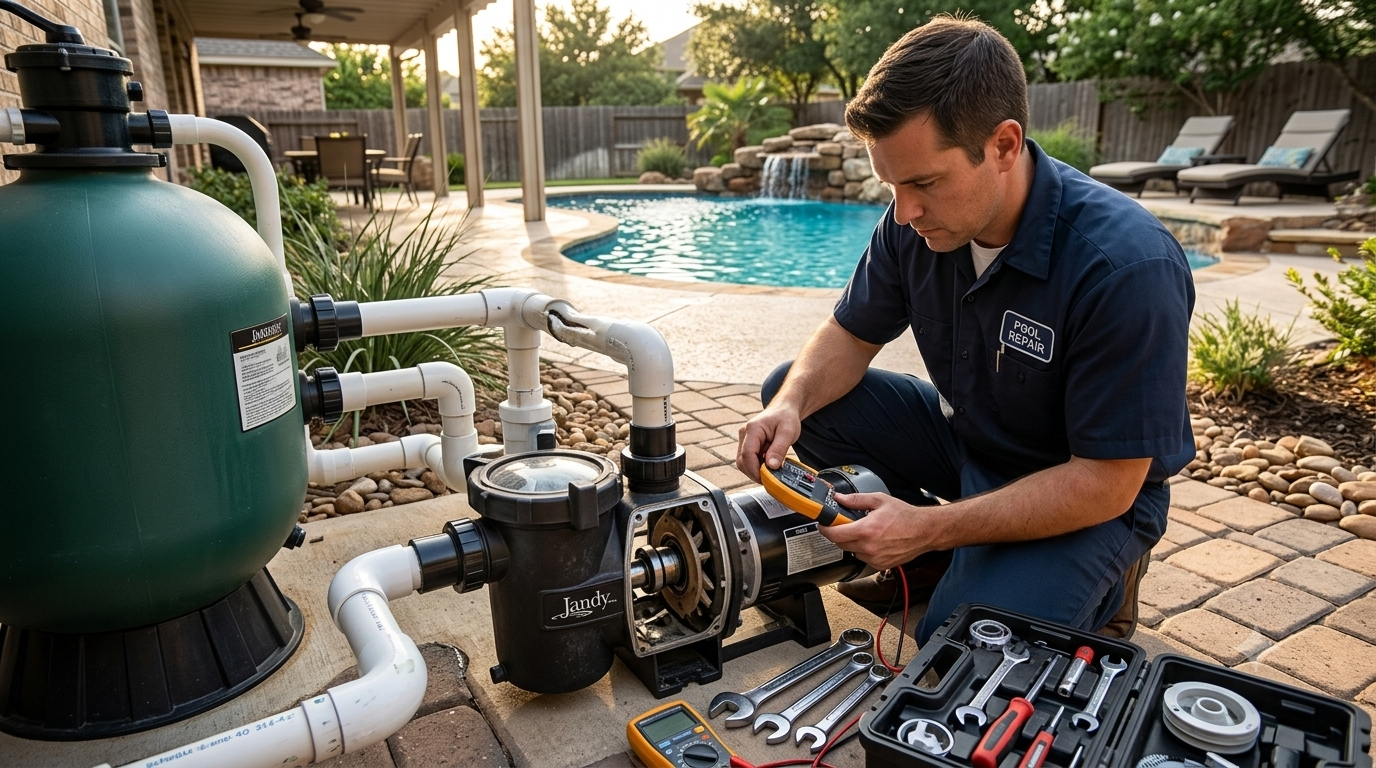
For most homeowners, a backyard swimming pool represents the ultimate escape—a private oasis of crystal-clear water, relaxation, and family memories. Yet, beneath the serene, sparkling surface lies a complex network of engineering, plumbing, and chemistry that requires precise balance to function. At the absolute center of this system is the pool pump. Often referred to as the "heart" of the swimming pool, the pump is responsible for driving the entire circulation cycle. When it operates flawlessly, the pool remains pristine. When it begins to fail, the entire system rapidly degrades.
Understanding the anatomy of a failing pool pump is critical for any homeowner. While minor surface cleaning can often be handled as a weekend chore, mechanical diagnostics and structural system recovery require a deeper level of technical expertise. Ignoring the early warning signs of a struggling pump doesn't just mean dealing with cloudy water; it can lead to catastrophic system failures that cost thousands of dollars to rectify. This is precisely why savvy property owners turn to specialized pool repairs to diagnose, service, and save their mechanical systems before irreversible damage occurs.
The Core Components: How a Pool Pump Operates
To understand how a pump fails, one must first understand how it functions under normal conditions. A standard residential pool pump consists of two primary sections: the wet end and the dry end (the motor).
WET END (Water Circulation Component)
- Strainer Pot & Basket: Captures coarse leaves and large debris before it can breach the internal mechanics.
- Impeller: A high-speed spinning rotor that creates the dynamic hydraulic kinetic velocity required to move water.
- Volute / Diffuser: Channels highly pressurized water directly out of the pump housing and into filtration lines.
- Mechanical Shaft Seal: An essential rubber and ceramic barrier engineered to halt water migration down the motor drive shaft.
DRY END (Power & Drive Component)
- Electric Motor: The central drive unit providing extreme rotational velocity (measured in RPM).
- Shaft & Heavy-Duty Bearings: A solid steel core assembly engineered for smooth, vibration-free spinning.
- Internal Cooling Fan: Dissipates the heavy thermal load generated by consistent electrical amperage draw.
- Start Capacitor: A high-voltage structural starter delivering the initiating torque needed to spin the motor from a dead stop.
Every single one of these components operates under extreme environmental stress, subjected to constant heat, chemical exposure, vibration, and hydraulic pressure. When one piece of the puzzle begins to wear out, a domino effect triggers across the entire equipment pad.
Stage 1: The Subtle Warnings (Early Structural Stress)
A pool pump rarely fails completely without warning. In the initial stages of degradation, the symptoms are subtle—frequently dismissed by homeowners as minor quirks or temporary fluctuations.
The most common early indicator is a change in the acoustic profile of the equipment pad. A healthy pump operates with a consistent, low-frequency hum. When internal components begin to misalign or wear down, that hum transforms into a distinct sound.
- The Screeching or Whining Sound: This is the universal calling card of failing motor bearings. Bearings are sealed metal rings that allow the motor shaft to spin smoothly thousands of times per minute. Over time, or due to a minor moisture leak past the shaft seal, the factory lubrication inside the bearings washes away. Metal-on-metal friction takes over, creating intense heat and a high-pitched whine.
- The "Rocks in a Blender" Rattle: This sound usually indicates an impeller blockage or severe cavitation. If debris bypasses a cracked pump basket, it can wedge itself directly inside the tightly engineered vanes of the impeller. Alternatively, if the pump is starved of water due to low pool levels or a clogged skimmer line, vapor bubbles form and violently collapse against the impeller, causing physical pitting and a loud, rattling vibration.
At this stage, professional intervention can often save the motor. A technician can disassemble the housing, clear the impeller, and replace the bearings and shaft seal, extending the life of the unit for a fraction of the cost of a brand-new motor.
Stage 2: Performance Drop and Hydraulic Imbalance
As mechanical wear progresses from auditory warnings to functional failures, the hydraulic efficiency of the entire pool drops significantly. This is the stage where the structural health of the water itself begins to suffer.
One of the primary symptoms of stage-two failure is a constant loss of prime. "Priming" is the process by which the pump purges air from its housing to create a continuous vacuum of water. If the rubber O-ring on the pump lid dries out, cracks, or loses its seal, the pump will pull air instead of water.
When air leaks into the suction side, the pump struggles to maintain a full basket of water. Homeowners will notice a massive drop in pressure on their filter pressure gauge, weak return flow coming out of the pool eyeballs, and a constant stream of air bubbles shooting into the pool. Running a pump in this state causes it to run incredibly hot, as flowing pool water is the primary mechanism that cools the wet end plastic. If left unchecked, the heat will warp the internal diffuser and pump basket, rendering the wet end completely useless.
Stage 3: Electrical Failure and Total System Shutdown
When a pump enters its final stages of failure, the issues transition from hydraulic to electrical. This poses a direct risk not only to the equipment but to the electrical panel of the home.
As internal friction increases from rusted bearings or a warped shaft, the electric motor has to draw significantly more amperage from the home's electrical circuit to spin the impeller at its required RPM. This excess current generates massive internal thermal energy. Modern pool motors are equipped with an automatic thermal overload switch designed to shut the motor off before it catches fire. If your pool pump runs for ten to fifteen minutes and then suddenly shuts off completely, it is overheating due to severe internal mechanical resistance.
Furthermore, if the start capacitor—the small cylindrical component that provides the initial electrical "jolt" to spin the motor from a dead stop—fails, the pump will simply sit on the pad and emit a deep, electrical hum without spinning. If a homeowner leaves a humming, non-spinning motor powered on, the internal electrical windings will quickly melt, resulting in a completely dead motor that cannot be rebuilt.
The Danger of Delayed Repair: The Domino Effect
When a homeowner delays calling for expert assistance, the consequences quickly ripple outward from the pump pad to the rest of the property.
- Pump Performance Drops: Loss of prime, low vacuum pressure, and highly restricted flow configurations.
- Chemical Stagnation: Broken sanitation loops, zero chlorine distribution, and rapid, dark green algae blooms.
- Filtration Overload: Organic debris settles completely into plumbing lines causing extreme high-pressure spikes.
- Structural Burnout: Boiling stagnant water deforms Schedule 40 PVC lines, causing severe structural line leaks.
First, stagnation takes hold. Without a pump to circulate water through the chlorinator or salt-cell generator, chemicals settle at the bottom of the pool or evaporate completely. Within 48 to 72 hours, especially during warm summer months, a pristine pool can transform into a dark green algae bloom. Once algae takes root, rectifying the issue requires aggressive chemical treatments, heavy vacuuming, and multiple filter backwashes, adding significant material costs to the initial mechanical repair.
Second, severe thermal damage can destroy the surrounding plumbing. When a pump loses prime but continues to run, the stagnant water inside the wet end can actually reach boiling temperatures. The resulting steam and intense heat will soften and melt the schedule 40 PVC pipes connected directly to the pump inlets and outlets. When these pipes deform, they create major underground or above-ground plumbing leaks that require extensive pipe cutting and re-plumbing to correct.
Why Homeowners Choose Professional Mechanical Interventions
While a wealth of DIY tutorials exist online, diagnosing and executing a successful pool pump overhaul is highly technical. A professional pool repair service brings specialized tools, precise diagnostic capabilities, and deep safety knowledge to the equipment pad.
- Electrical and Water Safety: Pool equipment operates at high voltages (typically 120V or 240V) in immediate, direct contact with water. A single improperly sealed wire, or a failure to properly ground and bond a replacement motor to the pool’s steel grid, creates a severe shock hazard. Certified professionals understand the strict electrical codes required to keep swimmers safe.
- Precision Engineering Diagnostics: It takes an experienced eye to look at a damaged pump and determine why it failed. A homeowner might simply replace a burnt-out motor, only to have the new motor fail three months later because they didn’t realize a partially blocked underground suction line was causing severe cavitation all along. Professionals check total dynamic head (TDH), electrical amp draws, and system pressure to solve the root cause of the problem.
- Advanced Leak and Seal Technology: Replacing a mechanical shaft seal requires complete teardown of the pump assembly. If the ceramic and rubber faces of the new seal are touched with bare fingers during installation, body oils will degrade the material, causing the seal to fail within weeks. Specialists use precision installation sleeves and synthetic lubricants to ensure an airtight, water-tight rebuild.
Long-Term Prevention: Keeping the System Fit
To ensure your pool pump enjoys a long, efficient operational life, simple preventative habits go a long way. Homeowners should regularly inspect and empty both the skimmer baskets and the pump strainer basket to keep water flowing freely. Checking the pressure gauge on the filter weekly allows you to backwash or clean the filter cartridges before high pressure begins to stress the pump motor. Finally, maintaining proper water levels in the pool ensures the system never accidentally draws air down the skimmer throats.
When the unexpected does happen, acting on the very first sign of mechanical distress is the smartest financial decision a pool owner can make. By understanding the intricate anatomy of a pump and partnering with qualified mechanical repair specialists at the first sign of trouble, you protect your investment, lower your monthly energy consumption, and keep your backyard oasis perfectly clear all year long.

 English
 Arabic
 French
 Spanish
 Portuguese
 Deutsch
 Turkish
 Dutch
Dutch
 Italiano
 Russian
 Romaian
 Portuguese (Brazil)
