Handling oversized materials and extremely heavy cargo requires more than just standard warehouse equipment. Industries such as shipping, construction, manufacturing, and logistics often depend on specialized forklifts designed for demanding lifting tasks. A 36k forklift is built specifically for these environments, offering exceptional lifting capacity, stability, and durability. However, before investing in or operating this type of equipment, businesses should understand the important factors that affect performance, safety, and long-term operational efficiency.
Why Heavy-Duty Forklifts Are Essential for Industrial Operations
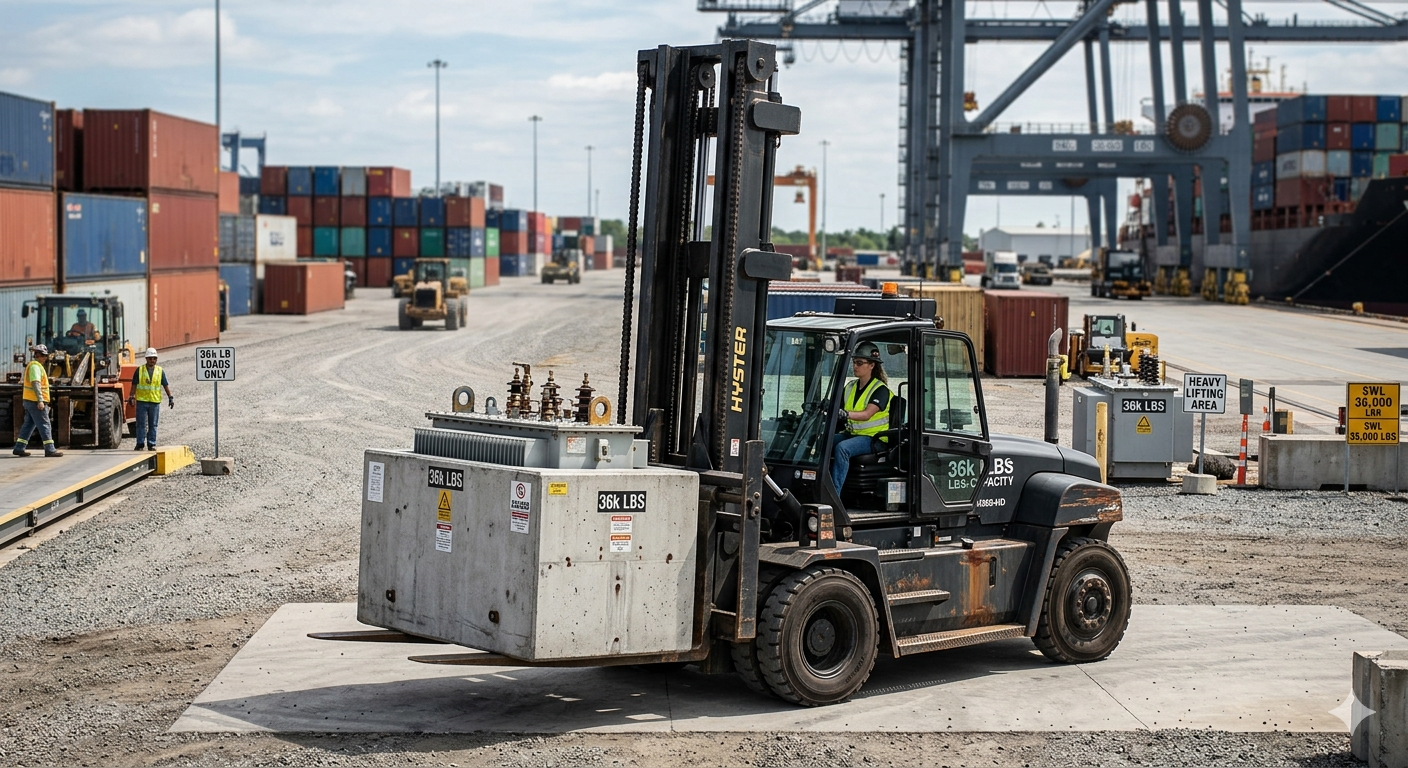
As industrial projects become larger and more complex, businesses are moving heavier materials than ever before. Standard forklifts are not designed to safely handle extremely large loads, which increases the risk of equipment strain and workplace accidents. A 36k forklift provides the strength and stability needed for lifting loads up to 36,000 pounds, making it ideal for ports, steel yards, large warehouses, and construction sites.
Industry studies show that companies using properly sized material handling equipment can improve operational productivity by up to 30%. Heavy-duty forklifts reduce the number of trips required to move large materials, helping businesses save time and improve workflow efficiency.
Safety is another major reason why these forklifts are important. According to the Occupational Safety and Health Administration (OSHA), forklift-related accidents contribute to thousands of workplace injuries each year. Using the right forklift capacity significantly reduces the risk of tipping, dropped loads, and operator injuries.
A 36k forklift is engineered with reinforced frames, advanced hydraulic systems, and enhanced stability controls to handle demanding lifting operations safely and effectively.
Important Factors to Consider Before Using a 36K Forklift
Before operating or purchasing a 36k forklift, businesses should evaluate several key factors to ensure the equipment matches their operational requirements.
Load Capacity and Weight Distribution
Understanding load capacity is critical when handling heavy materials. Even though a forklift may be rated for 36,000 pounds, improper load positioning can still create instability. Operators must understand load centers and ensure cargo is evenly distributed to maintain safe lifting conditions.
Overloading or incorrectly balancing materials increases the risk of tipping accidents, especially when lifting at higher elevations. Proper operator training is essential for maintaining safety during heavy lifting tasks.
Operating Environment
The work environment plays a major role in forklift performance. Outdoor industrial sites often require diesel-powered forklifts with pneumatic tires capable of handling rough terrain. Indoor operations may benefit from electric models that produce fewer emissions and operate more quietly.
Businesses should also consider aisle width, floor conditions, and available maneuvering space before selecting a forklift. Heavy-duty forklifts require adequate operating space to move safely and efficiently.
Lift Height Requirements
Some industrial operations require lifting heavy materials to significant heights. Choosing a forklift with the correct lift height helps maintain productivity while reducing equipment strain.
Advanced hydraulic systems in modern forklifts improve lifting precision and help operators control heavy loads more accurately, even in demanding conditions.
Safety Features and Operator Training
A 36k forklift handles extremely heavy loads, making safety a top priority. Modern forklifts include advanced technologies designed to improve stability and reduce workplace risks.
Common safety features include:
Stability control systems
Load monitoring sensors
Enhanced braking systems
Rear-view cameras and visibility aids
Warning alarms and lighting systems
These technologies help operators maintain better control while reducing the likelihood of accidents.
Operator training is equally important. Even the most advanced forklift can become dangerous if used incorrectly. Businesses should ensure operators understand safe lifting procedures, load limits, and proper maneuvering techniques before using heavy-duty forklifts.
Research suggests that workplaces with structured forklift safety programs experience significantly fewer accidents and operational disruptions. Proper training not only improves safety but also increases productivity by helping operators work more efficiently.
Maintenance and Long-Term Reliability
Heavy-duty forklifts operate under intense pressure, making routine maintenance essential for long-term reliability. Preventive maintenance helps businesses avoid unexpected breakdowns and costly downtime.
A regular maintenance program for a 36k forklift should include:
Hydraulic system inspections
Brake and tire checks
Engine and transmission servicing
Mast and fork inspections
Electrical and safety system testing
Studies show that businesses implementing preventive maintenance programs can reduce equipment failures by up to 40%. Early detection of worn components helps prevent larger mechanical issues and extends forklift lifespan.
Technology is also improving equipment management. Many modern forklifts now include telematics systems that monitor performance, track usage patterns, and provide maintenance alerts in real time. These systems help businesses schedule servicing proactively and improve overall fleet efficiency.
Why Choosing the Right Equipment Matters
Investing in the right forklift directly impacts operational success. A properly selected 36k forklift allows businesses to move large materials safely while improving workflow efficiency and reducing labor demands.
Construction companies can transport heavy building materials more effectively, shipping facilities can improve cargo handling speed, and manufacturers can maintain smoother production workflows. Reliable heavy-duty forklifts also help businesses meet project deadlines and maintain customer satisfaction.
As industries continue to grow and material handling demands increase, having dependable equipment becomes even more important for long-term operational success.
Final Thoughts
A 36k forklift is a powerful solution for businesses handling oversized loads and demanding industrial tasks. However, choosing and operating this equipment requires careful consideration of safety, maintenance, operating conditions, and load requirements.
By investing in the right forklift, implementing preventive maintenance programs, and prioritizing operator training, businesses can improve productivity while creating safer work environments. Reliable heavy-duty equipment not only supports daily operations but also helps companies stay competitive in industries where efficiency and precision are essential.



 About Urh Social
 Terms of Service
 Politique de confidentialité
 Contact

 English
 Arabic
 Spanish
 Portuguese
 Deutsch
 Turkish
 Dutch
Dutch
 Italiano
 Russian
 Romaian
 Portuguese (Brazil)
 Greek
Greek
