


 About Urh Social
 Terms of Service
 سياسة الخصوصية
 Contact
Carbon Credit Marketplace Development: Building the Future of Sustainable Trading Platforms
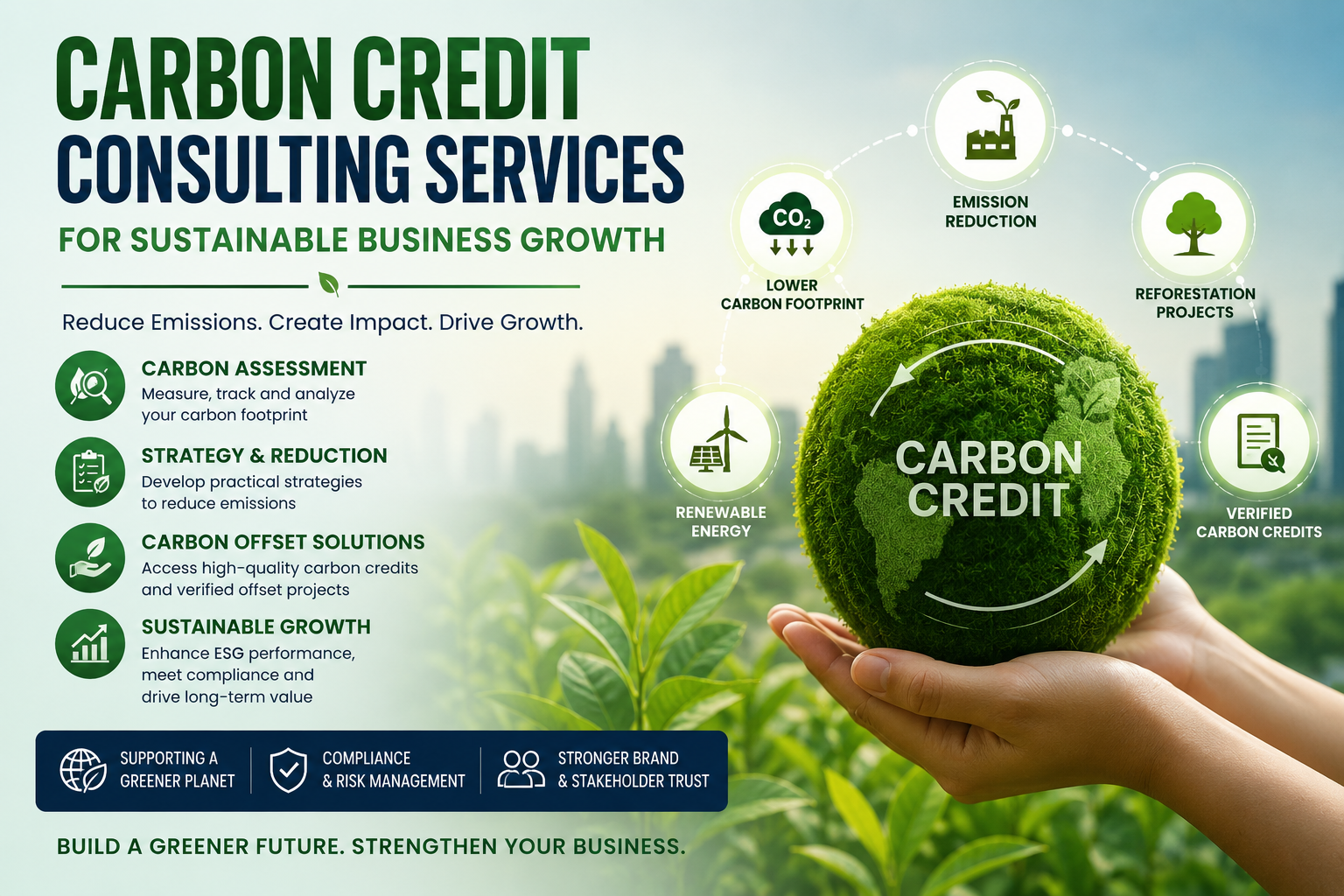
The global carbon economy is growing rapidly as governments, enterprises, and organizations focus more on sustainability and emission reduction goals. Businesses today are under increasing pressure to reduce their carbon footprint, comply with environmental regulations, and support climate-focused initiatives. As a result, carbon credit trading has become one of the fastest-growing sectors in the environmental and financial technology industries.
Companies worldwide are actively purchasing carbon credits to offset emissions generated from manufacturing, logistics, energy consumption, transportation, and industrial operations. This increasing demand has created a strong need for secure, scalable, and transparent carbon credit trading platforms.
This is exactly why carbon credit marketplace development has become a major opportunity for startups, enterprises, climate-tech companies, and fintech businesses.
Modern carbon marketplaces help businesses:
- Buy and sell carbon credits
- Track sustainability goals
- Verify environmental projects
- Manage carbon offset transactions
- Improve regulatory compliance
As climate regulations continue expanding globally, digital carbon trading platforms are expected to play a major role in the future economy.
In this blog, we will discuss how carbon credit marketplace development works, its key features, development process, monetization opportunities, business benefits, and future trends shaping the carbon trading industry.
What is a Carbon Credit Marketplace?
A carbon credit marketplace is a digital platform where businesses, organizations, and individuals can buy, sell, trade, and manage carbon credits.
Carbon credits represent verified reductions in greenhouse gas emissions. These credits are usually generated through projects such as:
- Renewable energy projects
- Reforestation initiatives
- Waste management systems
- Carbon capture programs
- Sustainable agriculture projects
Companies that exceed emission limits can purchase carbon credits to offset their environmental impact.
A modern carbon trading platform usually provides:
- Carbon credit listings
- Trading systems
- Wallet management
- Emission tracking dashboards
- Compliance management
- Verification systems
These platforms help create a transparent and scalable carbon economy.
Why Carbon Credit Platforms Are Growing Rapidly
Governments and regulatory authorities worldwide are introducing stricter climate regulations and sustainability frameworks.
Businesses are now expected to:
- Reduce carbon emissions
- Report sustainability metrics
- Improve ESG compliance
- Participate in carbon offset programs
As a result, demand for carbon credit trading platforms is increasing rapidly.
Traditional carbon trading processes were often slow, fragmented, and dependent on manual verification systems. Modern digital marketplaces simplify these operations by offering:
- Automated trading systems
- Real-time tracking
- Secure transactions
- Transparent reporting
- Digital asset management
This improves trust, scalability, and operational efficiency.
How Carbon Credit Marketplace Development Works
Carbon credit marketplace development involves building a digital ecosystem that supports:
- Credit issuance
- Trading functionality
- Verification systems
- Wallet management
- Reporting dashboards
- User management
The platform usually includes multiple user roles such as:
- Buyers
- Sellers
- Brokers
- Project owners
- Verifiers
- Administrators
Businesses can browse carbon credits, analyze project details, purchase verified credits, and manage portfolios directly through the platform.
Many modern platforms also integrate blockchain infrastructure for improved transparency and fraud prevention.
Core Features of a Carbon Credit Marketplace
A successful carbon credit platform requires multiple features that improve usability, transparency, and scalability.
One of the most important features is carbon credit listing management. This allows verified projects to publish available credits along with project details, certification data, and pricing information.
Trading systems are another major component. Businesses need secure systems for buying, selling, and transferring carbon credits efficiently.
Wallet management is also essential because users need secure storage for purchased credits and transaction histories.
Analytics dashboards help businesses track:
- Carbon offset goals
- Emission reports
- Portfolio performance
- Sustainability metrics
Verification systems are equally important because trust is critical in carbon trading. Platforms often integrate third-party verification agencies and certification frameworks.
Modern marketplaces may also include:
- Blockchain integration
- Smart contracts
- Automated compliance reporting
- AI-powered analytics
- Multi-currency payment systems
to improve transparency and operational efficiency.
Importance of Transparency in Carbon Trading
Transparency is one of the biggest challenges in the carbon credit industry.
Businesses purchasing carbon credits need confidence that the credits are legitimate, verified, and compliant with environmental standards.
This is why modern carbon marketplace platforms focus heavily on:
- Audit trails
- Verification records
- Blockchain transparency
- Real-time reporting
- Fraud prevention systems
Blockchain technology is becoming increasingly popular because it helps create immutable transaction histories and transparent ownership tracking.
This improves trust across buyers, sellers, regulators, and investors.
Role of Blockchain in Carbon Credit Marketplaces
Blockchain technology is transforming carbon trading platforms by improving transparency, security, and automation.
Traditional carbon markets often struggle with:
- Double counting
- Fraud risks
- Verification delays
- Lack of transparency
Blockchain infrastructure helps solve these issues through decentralized record management and smart contracts.
Benefits of blockchain integration include:
- Transparent ownership tracking
- Immutable transaction history
- Automated settlement systems
- Reduced fraud risk
- Improved compliance management
Many climate-tech startups are now combining blockchain with carbon trading systems to build more scalable marketplaces.
Benefits of Carbon Credit Marketplace Development
Carbon marketplace platforms provide significant benefits for businesses, investors, governments, and environmental organizations.
One major advantage is operational efficiency. Businesses can trade credits digitally instead of relying on fragmented manual systems.
Scalability is another major benefit because digital marketplaces allow global participation.
Companies can:
- Manage sustainability goals
- Access verified carbon projects
- Improve ESG reporting
- Automate compliance processes
through a centralized platform.
Carbon marketplace development also creates new revenue opportunities for startups and enterprises entering the climate-tech industry.
Industries Using Carbon Credit Platforms
Carbon credit systems are now widely used across multiple industries.
Manufacturing companies use carbon marketplaces to offset industrial emissions and meet regulatory requirements.
Energy companies participate in carbon trading to support renewable energy transition strategies.
Logistics and transportation businesses purchase carbon credits to reduce environmental impact from fuel consumption.
Technology companies are also investing heavily in sustainability programs and carbon offset strategies.
Financial institutions and investors use carbon marketplaces to support ESG-focused investment portfolios.
As climate regulations continue expanding, more industries are expected to adopt carbon trading systems.
Monetization Opportunities
Carbon credit marketplace development offers multiple monetization opportunities.
Transaction fees are one of the most common revenue models. Platforms can charge commissions on carbon credit purchases and sales.
Subscription models are also popular because businesses may pay recurring fees for:
- Portfolio management
- Sustainability analytics
- Compliance reporting
- Advanced trading tools
Premium listing services can generate additional revenue from project owners wanting better marketplace visibility.
Many platforms also offer carbon credit consult service solutions for enterprises requiring sustainability planning and regulatory guidance.
API licensing, enterprise dashboards, and white-label solutions create additional monetization opportunities.
Technology Stack for Carbon Marketplace Development
Modern carbon trading platforms usually require scalable and secure technology infrastructure.
The frontend interface is commonly built using:
- React
- Vue.js
- Angular
Backend infrastructure may include:
- Node.js
- Python
- Java
Cloud infrastructure is often powered by:
- AWS
- Google Cloud
- Microsoft Azure
Blockchain integrations may use:
- Ethereum
- Polygon
- Hyperledger
Databases typically include:
- PostgreSQL
- MongoDB
- MySQL
Security infrastructure is critical because carbon marketplaces handle financial transactions, regulatory data, and digital assets.
Challenges in Carbon Credit Marketplace Development
Although carbon marketplace platforms offer huge opportunities, businesses should also understand the challenges involved.
Regulatory compliance is one of the biggest challenges because environmental policies vary across countries and industries.
Verification systems can also become complex because projects must meet strict certification standards.
Scalability is another major concern because global carbon trading requires strong infrastructure capable of handling large transaction volumes.
Security is equally important because platforms manage sensitive financial and environmental data.
Market volatility can also affect pricing structures and investor participation.
Despite these challenges, demand for carbon marketplace systems continues growing rapidly due to increasing sustainability initiatives worldwide.
Future of Carbon Credit Marketplaces
The future of carbon credit marketplace development looks extremely strong as climate-focused policies continue expanding globally.
Several trends are shaping the industry:
- Blockchain-powered carbon trading
- AI-driven sustainability analytics
- Automated ESG reporting
- Tokenized carbon assets
- Global compliance integration
- Real-time emission tracking systems
As governments and enterprises increase sustainability investments, digital carbon marketplaces are expected to become a major part of the future financial ecosystem.
Businesses that invest early in climate-tech infrastructure may gain significant long-term advantages.
Final Thoughts
Carbon credit marketplace development is becoming one of the most important opportunities in the climate-tech and sustainability industry. As businesses worldwide focus more on ESG goals, carbon reduction strategies, and environmental compliance, demand for secure and scalable carbon trading platforms will continue growing rapidly.
Modern carbon marketplaces help businesses:
- Trade verified carbon credits
- Improve sustainability reporting
- Automate compliance management
- Access global carbon markets
- Scale environmental initiatives
Whether you are planning to launch a climate-tech startup, fintech platform, or enterprise sustainability solution, carbon credit marketplace development offers strong long-term business potential.

 English
 French
 Spanish
 Portuguese
 Deutsch
 Turkish
 Dutch
Dutch
 Italiano
 Russian
 Romaian
 Portuguese (Brazil)
 Greek
Greek
