


 About Urh Social
 Terms of Service
 Política de Privacidade
 Contact
Inside Ketamine Infusion Therapy: What Patients Experience During Treatment
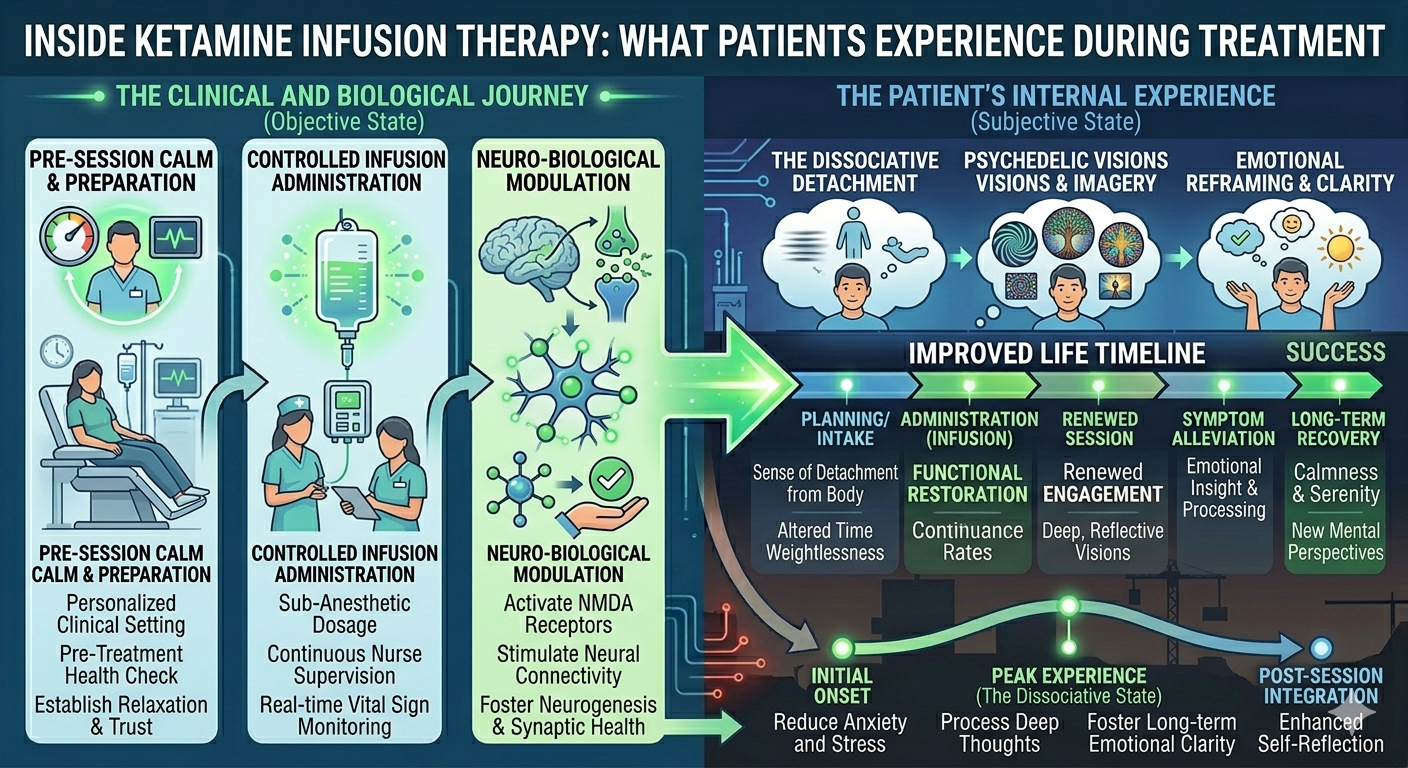
For many adults with severe or treatment-resistant depression, standard treatments can feel slow, frustrating, and often ineffective. Ketamine Infusion Therapy offers a different approach, providing rapid symptom relief for some patients and creating a new pathway in mental health care.
Ketamine is FDA-approved as an anesthetic, but its use in depression is generally off label. Its clinical value lies in its alternative mechanism and potential for rapid improvement in mood, motivation, and daily functioning.
Initial Screening and Preparation
Before the infusion, patients undergo a detailed evaluation. Providers review depression history, prior medication responses, therapy participation, current medications, blood pressure, heart and neurological health, psychiatric stability, and any substance use history.
This step ensures the patient is a safe candidate and allows the care team to create a tailored treatment plan. Proper screening also reduces risks associated with ketamine, such as dissociation, sedation, and changes in vital signs.
Explanation and Informed Consent
Patients receive a thorough explanation of the therapy. This includes dosing, expected duration, possible side effects, monitoring procedures, and transportation requirements. Informed consent ensures patients understand the off-label nature of IV ketamine for depression, its potential benefits, and its risks.
Pre-Infusion Preparation
Before the infusion begins, vital signs such as blood pressure, heart rate, and oxygen saturation are checked. Patients may be advised to avoid heavy meals or certain medications. They are also instructed to arrange safe transportation home, as ketamine can temporarily impair coordination and alertness.
The Infusion Process
During the infusion, ketamine is administered through an IV at a controlled dose. Patients typically recline in a quiet, comfortable setting, and monitoring staff observe vital signs, sedation, and emotional state throughout the session.
Patients may experience a variety of effects:
-
Mental changes: Dreamlike sensations, emotional openness, detachment, or dissociation
-
Physical sensations: Dizziness, lightheadedness, or heaviness in the body
-
Emotional responses: Calm, anxiety, or occasional emotional release
These effects are usually temporary, and trained staff guide patients safely through the session. (pmc.ncbi.nlm.nih.gov)
Post-Infusion Monitoring
The infusion ends, but patients remain under observation for a period to ensure they are clinically stable. Monitoring continues until patients’ vital signs and cognitive function return to safe levels. This is critical because ketamine can affect perception, alertness, and coordination.
Recovery and Aftercare
After the session, patients are typically discharged with a caregiver or arranged transportation. They receive instructions on what to expect for the rest of the day, including potential lingering effects like mild fatigue, emotional sensitivity or temporary dizziness.
Follow-up care is essential. Therapy, symptom tracking, lifestyle support and additional sessions may be scheduled to maintain progress and ensure safety.
Key Benefits of the Patient Experience
-
Rapid feedback on treatment response: Some patients notice symptom changes within hours.
-
Structured, supervised care: Safety is central, with continuous monitoring throughout the session.
-
Opportunity for emotional and cognitive shift:The session can create a window for patients to engage more effectively in therapy and daily activities.
-
Tailored treatment plan Each infusion is adjusted to the patient’s medical history, weight, and symptom severity.
-
Integrated follow-up: Care does not end after the infusion; continued therapy and monitoring support long-term outcomes.
Safety Considerations
Ketamine infusion carries risks, including sedation, dissociation, transient blood pressure changes, and nausea. It should not be used outside a supervised clinical setting. Patients with uncontrolled medical conditions or certain psychiatric risks may not be suitable candidates.
Final Thoughts
Ketamine Infusion Therapy offers a unique and structured experience for patients with severe or treatment-resistant depression. The combination of rapid symptom relief, supervised care and integration with follow-up therapy makes it a powerful option for those who have not found relief with traditional treatments.
Patients considering ketamine infusion should seek qualified providers, understand the potential effects and risks, and commit to follow-up care. When done responsibly, Ketamine Infusion Therapy can reframe what patients experience during treatment and open a new pathway toward recovery.

 English
 Arabic
 French
 Spanish
 Deutsch
 Turkish
 Dutch
Dutch
 Italiano
 Russian
 Romaian
 Portuguese (Brazil)
 Greek
Greek
