


 About Urh Social
 Terms of Service
 Политика конфиденциальности
 Contact
Urinary Incontinence in Men: Causes, Symptoms, Diagnosis, and Effective Treatment Options
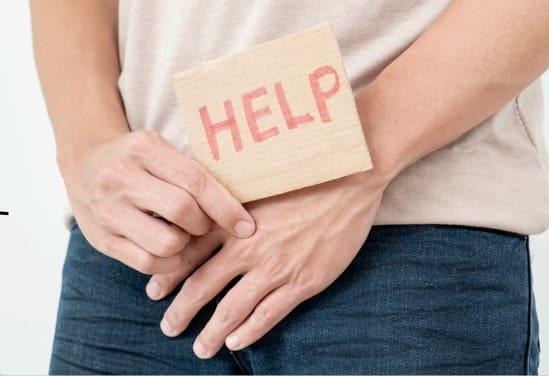
Urinary Incontinence is a condition in which a man loses control over his bladder, leading to accidental leakage of urine. While it can be uncomfortable to discuss, it is a common issue that affects many men, especially as they age. The severity can range from occasional minor leaks to a complete loss of bladder control.
Although Urinary Incontinence can impact daily life, the condition is highly manageable. With proper diagnosis and the right treatment approach, most men can significantly improve their symptoms and regain confidence.
What Is Urinary Incontinence?
Urinary Incontinence refers to the involuntary leakage of urine due to loss of bladder control. It is not a disease itself but a symptom of an underlying issue affecting the urinary system.
Men with Urinary Incontinence may experience leakage during physical activity, a sudden urge to urinate, or continuous dribbling due to incomplete bladder emptying. The condition varies widely depending on the cause and type.
Types of Urinary Incontinence in Men
Understanding the different types helps identify the underlying problem and guide treatment.
Stress Incontinence
This occurs when pressure is placed on the bladder, such as during coughing, sneezing, or lifting heavy objects. It is often linked to weakened pelvic muscles.
Urge Incontinence
Also known as Overactive Bladder-related incontinence, this involves a sudden and intense urge to urinate followed by leakage.
Overflow Incontinence
This type occurs when the bladder does not empty completely, leading to frequent dribbling of urine.
Functional Incontinence
This happens when physical or mobility issues prevent a person from reaching the bathroom in time.
Mixed Incontinence
Some men experience a combination of two or more types of incontinence.
Causes of Urinary Incontinence in Men
Urinary Incontinence can result from several medical conditions, lifestyle factors, or physical changes.
Prostate Problems
Enlarged prostate (BPH) is one of the most common causes in men. It can block urine flow and lead to bladder control issues.
Weak Bladder or Pelvic Muscles
Aging or lack of physical activity can weaken muscles that control urination.
Nerve Damage
Conditions such as diabetes, stroke, or spinal cord injuries can interfere with nerve signals controlling the bladder.
Urinary Tract Infections
Infections can irritate the bladder and cause temporary incontinence.
Lifestyle Factors
Certain habits can worsen symptoms:
• Excess caffeine or alcohol intake
• Smoking
• Obesity
• Chronic constipation
Post-Surgical Effects
Urinary Incontinence may occur after prostate surgery due to temporary or permanent changes in bladder control.
Symptoms of Urinary Incontinence
Symptoms can vary depending on the type and severity of the condition.
Common symptoms include:
• Leakage of urine during coughing, sneezing, or physical activity
• Sudden, strong urge to urinate
• Frequent urination (more than 8 times a day)
• Waking up multiple times at night to urinate
• Continuous dribbling of urine
• Difficulty fully emptying the bladder
These symptoms may be mild or severe and can significantly affect quality of life if left untreated.
Risk Factors
Several factors increase the likelihood of developing Urinary Incontinence in men:
• Increasing age
• Prostate enlargement or prostate cancer
• Obesity
• Neurological disorders
• Smoking
• Family history
Recognizing these risk factors can help with early detection and management.
Diagnosis of Urinary Incontinence
Accurate diagnosis is essential for determining the cause and selecting the best treatment plan.
Medical History and Symptom Review
Doctors assess urinary habits, fluid intake, and overall health.
Physical Examination
This may include a prostate exam and neurological evaluation.
Urine Tests
Urinalysis helps detect infections or blood in the urine.
Bladder Function Tests
Urodynamic testing evaluates how well the bladder stores and releases urine.
Imaging Tests
Ultrasound or other imaging may be used to identify structural issues.
These tests help identify whether the condition is caused by muscle weakness, obstruction, or nerve problems.
Treatment Options for Urinary Incontinence in Men
Treatment depends on the type, severity, and underlying cause. Most cases can be effectively managed with a combination of therapies.
Lifestyle and Behavioral Changes
These are often the first step in treatment:
• Reducing caffeine and alcohol intake
• Managing fluid consumption
• Maintaining a healthy weight
• Bladder training (scheduled urination)
Pelvic Floor Exercises (Kegel Exercises)
Strengthening pelvic floor muscles helps improve bladder control and reduce leakage over time.
Medications
Medications may be prescribed to:
• Relax bladder muscles
• Reduce urgency and frequency
• Improve bladder emptying
Medical Devices
Some patients may benefit from devices that help support the bladder or control urine flow.
Advanced Treatments
For more severe cases, advanced treatments may be recommended:
• Injectable therapies to support the urethra
• Nerve stimulation therapy
• Surgical options such as slings or artificial urinary sphincters
These treatments are typically considered when other methods do not provide sufficient relief.
Impact on Daily Life
Urinary Incontinence can affect emotional well-being and daily routines. Men may avoid social activities, travel, or exercise due to fear of leakage. It can also lead to sleep disturbances and reduced confidence.
However, it is important to understand that Urinary Incontinence is treatable, and seeking medical help can greatly improve quality of life.
Tips for Managing Urinary Incontinence
Men can take practical steps to manage symptoms:
• Plan bathroom visits regularly
• Avoid bladder irritants like caffeine
• Practice pelvic floor exercises daily
• Maintain a healthy diet and weight
• Follow treatment plans consistently
Small lifestyle changes can lead to noticeable improvements.
When to See a Doctor
You should consult a healthcare provider if:
• Leakage becomes frequent or bothersome
• Symptoms interfere with daily life
• There is sudden onset of incontinence
• You experience pain, blood in urine, or infection symptoms
Early diagnosis can prevent complications and improve treatment outcomes.
Conclusion
Urinary Incontinence in men is a common condition that can significantly affect daily life, but it is highly manageable with the right approach. Understanding the causes, recognizing symptoms early, and seeking proper medical care are essential steps toward effective treatment.
With modern therapies and personalized care plans, most men can regain bladder control and improve their quality of life. For expert evaluation, advanced treatment options, and comprehensive care for Urinary Incontinence, patients can rely on the experienced specialists at Urology Partners of North Texas (UPNT) for effective and compassionate support.
Frequently Asked Questions (FAQs)
1. What is Urinary Incontinence?
Urinary Incontinence is the loss of bladder control that leads to accidental urine leakage.
2. What causes Urinary Incontinence in men?
Common causes include prostate problems, weak pelvic muscles, nerve damage, infections, and lifestyle factors.
3. How is Urinary Incontinence treated?
Treatment includes lifestyle changes, pelvic floor exercises, medications, and surgical options if needed.
4. Is Urinary Incontinence permanent?
Not always. Many cases can be improved or completely managed with proper treatment.
5. When should I see a doctor?
You should seek medical help if symptoms are frequent, worsening, or affecting your quality of life.

 English
 Arabic
 French
 Spanish
 Portuguese
 Deutsch
 Turkish
 Dutch
Dutch
 Italiano
 Romaian
 Portuguese (Brazil)
 Greek
Greek
