


 About Urh Social
 Terms of Service
 Política de Privacidade
 Contact
The Hidden Dangers of Reaching for Loads Without Proper Safety Measures
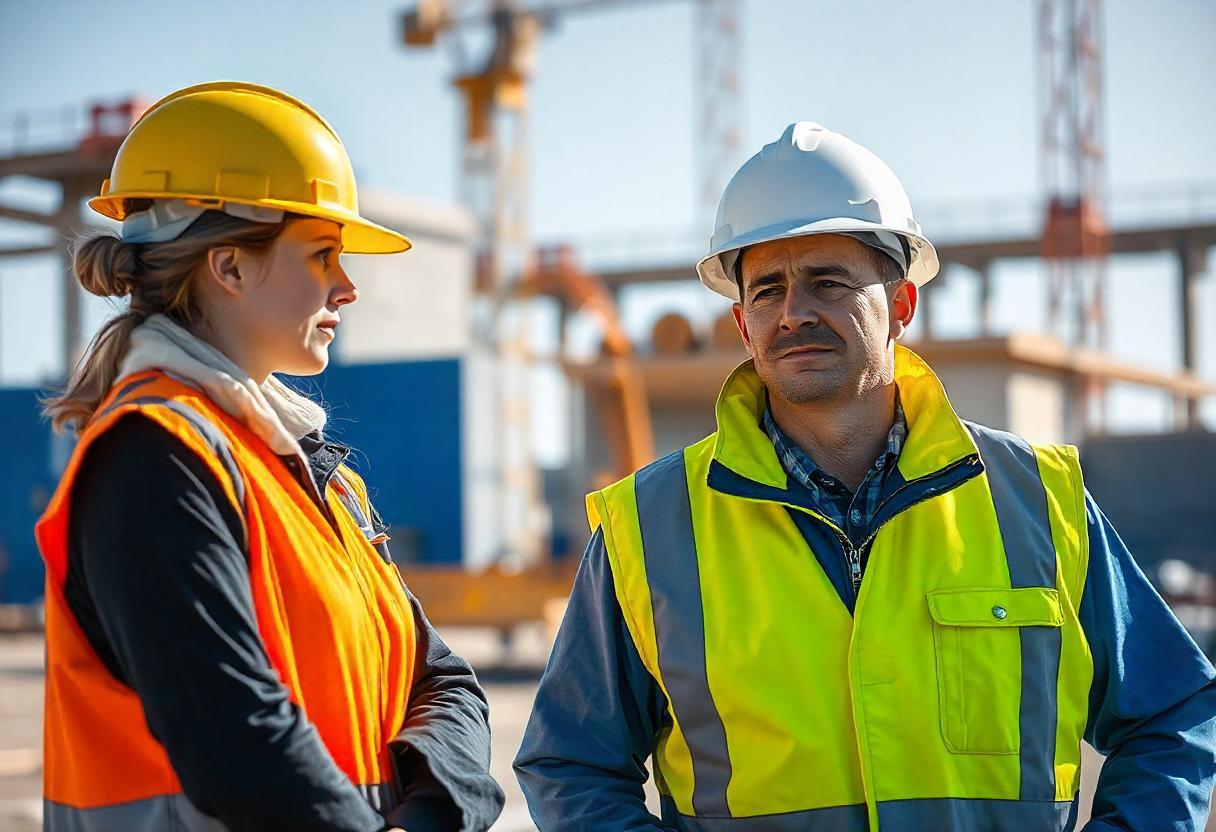
Have you ever reached for a box on a high shelf or tried to lift a heavy object without thinking twice about your posture? It seems harmless at first, but these small actions can lead to serious injuries if proper safety measures aren’t in place. In workplaces like warehouses, construction sites, and industrial settings, lifting and reaching incorrectly is a leading cause of musculoskeletal injuries, slips, and even long-term disability. Understanding these risks and adopting the right precautions is crucial for both employees and employers.
For professionals seeking to deepen their safety knowledge, completing an OSHA Course Online can provide practical guidance on safe lifting techniques, ergonomic best practices, and overall workplace hazard prevention. Let’s explore the hidden dangers of reaching for loads and how to protect yourself effectively.
Why Improper Lifting and Reaching Are Risky
Reaching for or lifting loads may feel routine, but the human body has limits. Ignoring these limits can result in:
-
Muscle strains and sprains: Sudden or awkward movements put excessive stress on muscles and ligaments.
-
Back injuries: The lower back is especially vulnerable when loads are lifted without proper technique.
-
Joint damage: Shoulders, elbows, and wrists are at risk if loads are extended beyond a comfortable range.
-
Accidental drops: Unstable grips can cause heavy objects to fall, injuring feet, legs, or coworkers nearby.
Real-Life Example
A warehouse worker once attempted to grab a box from a high shelf without using a step ladder. The box slipped, causing a twisted wrist and a mild back strain. With proper safety measures, this incident could have been entirely avoided.
Common Mistakes When Reaching for Loads
Even experienced workers often underestimate the risks. Some of the most common mistakes include:
-
Overextending arms: Stretching too far puts strain on shoulders and back.
-
Ignoring load weight: Lifting without checking the weight can surprise your muscles.
-
Using improper posture: Twisting your body instead of moving your feet can cause spinal injuries.
-
Skipping equipment: Not using ladders, hoists, or trolleys increases the risk of accidents.
-
Rushing the process: Hurrying often leads to dropped objects and mishandling.
Each of these mistakes might seem small individually, but together they significantly increase injury risk over time.
The Role of Ergonomics in Safe Lifting
Ergonomics focuses on designing tasks to fit the worker’s physical capabilities. Applying ergonomic principles can dramatically reduce the risks associated with reaching and lifting.
Key Ergonomic Practices
-
Keep loads close to your body: Reduces strain on the back and shoulders.
-
Bend your knees, not your waist: Protects the spine and uses stronger leg muscles for lifting.
-
Avoid twisting while lifting: Pivot your feet instead of twisting your torso.
-
Use mechanical aids: Tools like hoists, forklifts, or step ladders make lifting safer.
-
Plan your path: Ensure there’s a clear route before moving heavy objects.
Micro Case Study
In a small manufacturing plant, workers were trained to adjust shelves and bring frequently used items within easy reach. This simple ergonomic adjustment reduced lifting-related injuries by 40% within six months.
Safety Equipment That Makes a Difference
Even with proper technique, the right equipment can be a lifesaver.
-
Gloves: Improve grip and protect hands from sharp edges.
-
Steel-toed shoes: Protect feet from falling loads.
-
Back supports: Offer additional support when handling moderately heavy items.
-
Step stools or ladders: Prevent overreaching.
-
Load handling tools: Trolleys, dollies, and forklifts reduce manual strain.
Training and Awareness: Your Best Defense
Education is a key part of preventing injuries. Programs like the OSHA Course Online provide comprehensive safety training tailored to workplace hazards. These courses often cover:
-
Safe lifting and carrying techniques
-
Ergonomic practices
-
Proper use of personal protective equipment (PPE)
-
Hazard identification and mitigation
By investing in safety training, workers become more aware of subtle risks and learn proactive ways to prevent injuries.
Step-by-Step Tips for Safe Reaching and Lifting
Here’s a practical guide for anyone handling loads:
-
Assess the load: Check weight, size, and shape before lifting.
-
Clear your path: Ensure there’s nothing obstructing your route.
-
Position your body: Feet shoulder-width apart, knees bent, and back straight.
-
Grip securely: Hold the load close to your body for stability.
-
Lift with legs: Engage leg muscles rather than straining your back.
-
Avoid twisting: Turn your whole body if you need to change direction.
-
Set down safely: Bend knees and keep the load close to your body.
Encouraging a Culture of Safety
Promoting a safety-first culture in workplaces is crucial. Employers can encourage safe practices by:
-
Conducting regular safety briefings
-
Providing ongoing training programs
-
Maintaining ergonomic workspaces
-
Recognizing safe behaviors
-
Reporting and addressing near-misses
A culture where safety is prioritized ensures that everyone, from entry-level staff to supervisors, takes precautions seriously.
Training Opportunities and Costs
For those looking to formalize their knowledge, OSHA training programs offer flexible options online. They provide certifications recognized worldwide, equipping you with skills to prevent injuries and promote safety.
In Pakistan, the OSHA Course Fee in Pakistan varies depending on the institute and level of training. Investing in this course improves workplace safety and enhances career prospects in industries like construction, manufacturing, and logistics.
FAQs About Safe Lifting and OSHA Training
Q1: Can lifting small objects still cause injury?
Yes, even small or light objects can cause repetitive strain injuries if lifted improperly or repeatedly over time.
Q2: How long does OSHA Online training take?
Most OSHA Course Online programs range from a few hours to several days, depending on the depth and certification level.
Q3: Is OSHA certification recognized internationally?
Yes, OSHA certifications are widely recognized and valued by employers globally, especially in industrial and construction sectors.
Q4: What safety gear is essential for lifting heavy loads?
Gloves, steel-toed shoes, back supports, and lifting aids like trolleys or hoists are essential for preventing injuries.
Q5: Does training reduce workplace injuries?
Absolutely. Studies show that employees who undergo safety training report fewer injuries and better hazard awareness.
Conclusion
Reaching for loads without proper safety measures might seem like a minor risk, but it can lead to significant injuries, long-term health issues, and workplace accidents. By understanding common mistakes, applying ergonomic principles, using proper equipment, and embracing safety training, workers can drastically reduce these risks.
Completing an OSHA Course Online equips individuals with essential skills to handle loads safely, while understanding the OSHA Course Fee in Pakistan helps plan your investment in professional development. Prioritizing safety today not only protects your health but also strengthens your career and workplace culture.
Remember, every lift counts — and every safe lift protects your future.

 English
 Arabic
 French
 Spanish
 Deutsch
 Turkish
 Dutch
Dutch
 Italiano
 Russian
 Romaian
 Portuguese (Brazil)
 Greek
Greek
