


 About Urh Social
 Terms of Service
 Privacy Policy
 Contact
Melasma Treatment in Dubai for Even-Toned Skin
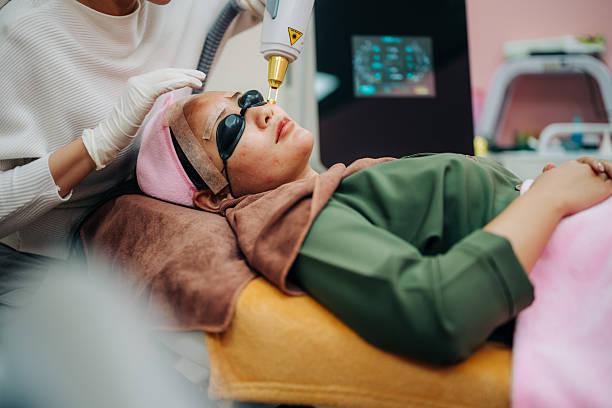
Melasma can create persistent brown or grey-brown patches across the cheeks, forehead, nose, and upper lip. Melasma Treatment in Dubai focuses on reducing visible pigmentation while managing the factors that can cause discoloration to return. Because melasma behaves differently from ordinary sunspots, treatment should begin with a dermatologist's assessment rather than an assumption that every dark patch needs the same laser or peel.
The aim is to develop a plan that suits the patient's skin type, pigmentation depth, medical history, and tolerance for downtime. At Tajmeels Clinic, treatment options listed for pigmentation concerns include microneedling, chemical peels, Q-switched Nd:YAG laser, and intense pulsed light. The appropriate choice depends on individual assessment, since some procedures can aggravate pigmentation when used incorrectly.
Understanding Melasma and Why It Develops
Melasma is a chronic pigmentation condition involving increased melanin production. It commonly appears as irregular patches on areas of the face that receive frequent sunlight. Although it is not usually physically harmful, its appearance can be persistent and may affect confidence.
Several factors can contribute to its development:
-
Sunlight and ultraviolet exposure: UV radiation can stimulate pigment-producing cells and deepen existing patches.
-
Visible light: Certain wavelengths of visible light can contribute to pigmentation, particularly in darker skin tones.
-
Hormonal influences: Pregnancy and hormonal medications may be associated with melasma.
-
Genetic susceptibility: A family history can increase the likelihood of developing the condition.
-
Heat and inflammation: Environmental heat and skin irritation may aggravate pigmentation in some individuals.
Melasma is not simply a surface stain. Pigment may be concentrated in different skin layers, and multiple biological factors can influence its appearance. This helps explain why a treatment that improves one person's complexion may produce limited results in another.
Melasma Treatment in Dubai Begins With Identifying the Pigmentation Pattern
A proper assessment helps distinguish melasma from other conditions, including post-inflammatory hyperpigmentation, sunspots, and other forms of facial discoloration. These conditions may look similar but do not always respond to the same treatments.
Epidermal, Dermal, and Mixed Melasma
The location of excess pigment can influence treatment planning.
Epidermal melasma involves pigment closer to the skin surface. It may appear light to medium brown and can respond more readily to suitable topical treatments.
Dermal melasma involves pigment deeper in the skin. It may appear greyish or blue-brown and can be more difficult to manage.
Mixed melasma contains features of both patterns. Treatment may require a combination of approaches and longer-term maintenance.
A dermatologist may examine the distribution and appearance of pigmentation and use a Wood's lamp or other assessment methods when appropriate. No single examination method provides a perfect prediction of treatment response, so the clinical picture remains important.
Treatment Options for Melasma in Dubai
There is no universal procedure that works best for every case. A dermatologist may recommend topical care first, then consider selected in-clinic procedures when the patient's condition and skin characteristics support them.
Topical Treatments for Controlling Excess Pigment
Prescription and dermatologist-recommended topical products can help regulate pigment production and improve uneven skin tone.
Depending on the patient's needs, a treatment plan may include:
-
Hydroquinone-based preparations used under medical supervision.
-
Retinoids to support skin-cell turnover.
-
Azelaic acid for selected pigmentation concerns.
-
Kojic acid or other pigment-targeting ingredients.
-
Carefully selected combination formulations.
These products require appropriate instructions. Overuse, unsupervised combinations, or irritating ingredients can inflame the skin and potentially worsen discoloration. Prescription-strength products should not be used continuously without review.
Chemical Peels for Selected Pigmentation Concerns
Chemical peels use controlled exfoliating solutions to encourage the shedding of surface skin cells. Depending on the formulation and depth, they may help improve uneven tone and some forms of superficial pigmentation.
For melasma-prone skin, conservative selection is important. Strong or poorly matched peels can cause irritation and post-inflammatory hyperpigmentation. A dermatologist should determine whether a superficial peel is appropriate and how it fits into the wider treatment plan.
Microneedling as an Adjunctive Approach
Microneedling creates controlled microscopic channels in the skin using sterile, fine needles. It is primarily used to support skin renewal and improve selected texture concerns. In certain cases, a dermatologist may consider it as an adjunct to a broader pigmentation-management plan.
It is not automatically suitable for every patient with melasma. Skin sensitivity, active inflammation, infection risk, and the possibility of post-inflammatory pigmentation should be considered before treatment.
Q-Switched Nd:YAG Laser for Carefully Selected Cases
Q-switched Nd:YAG technology delivers short pulses of laser energy that interact with pigment. It may be considered for selected pigmentation concerns, but melasma requires particular caution.
Laser treatment is not a guaranteed solution, and excessive energy or unsuitable treatment settings may trigger irritation, rebound pigmentation, or worsening discoloration. A dermatologist should determine whether laser treatment is appropriate and explain its limitations before proceeding.
Intense Pulsed Light for Appropriate Pigmentation Patterns
Intense pulsed light, commonly called IPL, uses broad-spectrum light to target selected skin concerns. It may help certain forms of sun-related pigmentation, but it is not suitable for every melasma presentation.
In some skin types, light-based procedures can worsen pigmentation. The dermatologist should distinguish melasma from other pigment conditions and assess whether IPL offers a reasonable benefit compared with alternative approaches.
Choosing the Right Melasma Treatment in Dubai for Your Skin
Treatment selection should account for more than the darkness of the patches. Skin tone, pigment depth, previous treatment response, sensitivity, and daily sun exposure can all influence the decision.
| Skin concern | Possible treatment consideration |
|---|---|
| Superficial pigmentation | Topical therapy and carefully selected superficial peels |
| Persistent or mixed melasma | Individualized topical treatment with possible adjunctive procedures |
| Sensitive or easily irritated skin | Gentle skincare and conservative treatment planning |
| Pigmentation that worsens after procedures | Reassessment before further energy-based treatment |
| Recurrent melasma | Long-term maintenance and consistent photoprotection |
The table is a general guide, not a self-diagnosis tool. A dermatologist should confirm the pigmentation type and decide which options are appropriate.
Why Sun Protection Is Essential After Melasma Treatment
Sun protection is one of the most important parts of managing melasma. Even when visible patches improve, ultraviolet and visible-light exposure can stimulate further pigmentation.
A consistent daily routine should include:
-
Broad-spectrum sunscreen with SPF 30 or higher, as advised by the dermatologist.
-
Reapplication according to the product instructions and time spent outdoors.
-
A wide-brimmed hat and shade when spending time outside.
-
Tinted sunscreen containing iron oxides when suitable, particularly for additional visible-light protection.
-
Gentle skincare that avoids unnecessary irritation.
Dubai's bright outdoor conditions make sun protection especially relevant. Driving, walking outdoors, sitting near windows, and spending time at the beach can all contribute to cumulative light exposure. Sunscreen should therefore be part of everyday care rather than something reserved for holidays.
What to Expect During a Melasma Treatment Plan
Melasma management is usually gradual. The dermatologist may begin with a topical routine and photoprotection, then review the response before introducing additional treatments.
A typical care pathway may involve:
-
Initial consultation: Review pigmentation history, medications, hormonal factors, previous procedures, and skincare products.
-
Skin assessment: Examine the affected areas and determine whether the appearance is consistent with melasma.
-
Personalized plan: Select appropriate topical products and consider whether an in-clinic procedure is justified.
-
Treatment and monitoring: Follow the recommended schedule and monitor skin response.
-
Maintenance: Continue sun protection and an appropriate skincare routine to help reduce recurrence.
Results vary. Some patients notice gradual improvement over several months, while persistent or deeper pigmentation may require longer management. Complete and permanent clearance cannot be guaranteed.
Factors That Can Affect Treatment Results
Several factors influence how melasma responds and whether improvement can be maintained.
Pigmentation depth: Deeper or mixed pigmentation may be more resistant to treatment.
Skin sensitivity: Irritation can contribute to inflammation and additional discoloration.
Hormonal influences: Ongoing hormonal triggers may make melasma more persistent.
Sun exposure: Inadequate photoprotection can reduce improvement and contribute to recurrence.
Previous procedures: Earlier treatments may influence skin sensitivity and the choice of future procedures.
Consistency: Following the prescribed routine and attending reviews can help the dermatologist adjust the plan when needed.
Potential Side Effects and Treatment Precautions
Melasma treatments can cause temporary redness, dryness, sensitivity, peeling, or mild swelling, depending on the method used. More significant complications can occur, particularly when procedures are unsuitable for the patient's skin or performed too aggressively.
Possible concerns include:
-
Prolonged irritation or inflammation.
-
Post-inflammatory hyperpigmentation.
-
Temporary worsening or uneven pigmentation.
-
Skin sensitivity following exfoliating treatments.
-
Rare complications such as blistering or scarring after procedures.
Patients should disclose previous reactions, active skin conditions, pregnancy or breastfeeding status, current medications, and recent cosmetic treatments. Any new or unusual pigmentation should be assessed before treatment rather than assumed to be melasma.
Clinic Note: Melasma is often a recurring condition, so successful care involves more than fading visible patches. A thoughtful treatment plan combines appropriate skin assessment, conservative procedure selection when needed, and consistent protection against sunlight and visible light.
Maintaining Results After Melasma Treatment in Dubai
Maintenance is an ongoing part of care because melasma can return even after noticeable improvement. The dermatologist may recommend continuing selected topical products, reviewing the skincare routine, and scheduling follow-up assessments.
Patients should avoid experimenting with strong exfoliants, unregulated whitening creams, or multiple active ingredients without professional advice. Products that cause burning, persistent redness, or peeling should be discussed with the treating specialist.
A sustainable routine is generally more useful than repeatedly pursuing aggressive procedures. The goal is to maintain a healthier-looking, more even complexion while minimizing irritation and the risk of recurrence.
Frequently Asked Questions
Can melasma be removed permanently?
There is no guaranteed permanent cure. Treatment can reduce visible pigmentation, but melasma may recur when triggers such as sunlight or hormonal influences remain.
Which treatment is best for melasma?
There is no single best option for everyone. Treatment may include topical medication and sun protection, with carefully selected peels, microneedling, or laser-based procedures considered when appropriate.
How long does melasma treatment take?
Improvement often develops gradually over several months. The timeline depends on pigmentation depth, treatment response, consistency, and ongoing triggers.
Can laser treatment make melasma worse?
Yes. Some laser and light-based treatments can aggravate melasma or trigger post-inflammatory pigmentation, especially when the treatment is unsuitable or too aggressive. Assessment by a qualified dermatologist is important.
Does sunscreen help prevent melasma from returning?
Consistent sun protection helps reduce the triggers that can darken existing patches and contribute to recurrence. A dermatologist may recommend broad-spectrum and tinted sunscreen as part of daily care.
Is melasma treatment suitable for darker skin tones?
It can be, but treatment selection requires care. Some procedures carry a higher risk of post-inflammatory pigmentation in darker skin, so the dermatologist should tailor the approach to the patient's skin characteristics.
Can chemical peels treat melasma?
Selected superficial chemical peels may help as part of a wider treatment plan. Stronger peels can irritate the skin and worsen pigmentation, so they should only be considered after professional assessment.
Can melasma return after successful treatment?
Yes. Melasma is a chronic, recurring condition. Maintenance skincare, follow-up, and consistent photoprotection help manage the risk of recurrence.
Personalized Melasma Care at Tajmeels Clinic
Managing melasma requires an approach that respects the skin's sensitivity and the condition's tendency to return. Tajmeels Clinic offers pigmentation-focused treatment options, with care plans selected according to individual skin concerns and professional assessment.
If persistent dark patches or uneven facial pigmentation are affecting your confidence, arrange a consultation to discuss suitable options. A dermatologist can assess your skin, explain the benefits and limitations of available treatments, and help establish a realistic plan for clearer-looking, more even skin.

 English
 Arabic
 French
 Spanish
 Portuguese
 Deutsch
 Dutch
 Italiano
 Russian
 Romaian
 Portuguese (Brazil)
 Greek
