


 About Urh Social
 Terms of Service
 Privacy Policy
 Contact
Rhinoplasty Results: How Long Until Your Nose Settles?
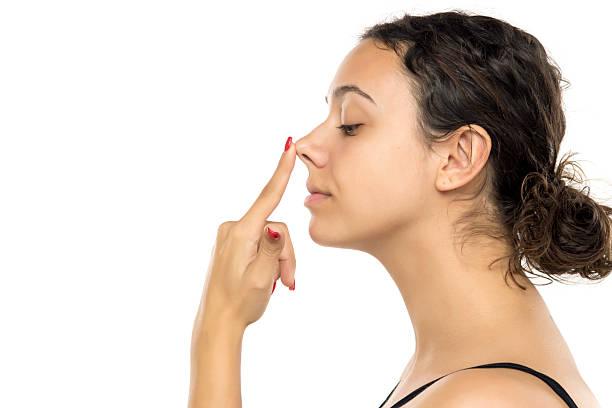
Rhinoplasty is a surgical procedure that can change the appearance and structure of the nose. After surgery, patients often want to know when they will see the final result. However, the nose does not settle overnight. Rhinoplasty in Riyadh Swelling gradually decreases, tissues heal, and the nasal shape becomes more defined over time. Understanding this process helps patients develop realistic expectations and avoid judging their results too early.
The recovery journey following Rhinoplasty in Riyadh varies from person to person. Factors such as skin thickness, surgical technique, individual healing patterns, and the extent of structural changes can influence how quickly the nose settles. While some improvements become noticeable within weeks, subtle changes may continue for many months.
Understanding the Rhinoplasty Healing Timeline
Rhinoplasty recovery happens in stages. The nose may look different at various points during healing because swelling and internal tissue changes gradually resolve.
The First Week After Surgery
During the first week, swelling, bruising, and congestion are common. A splint may be used to support and protect the nose while the initial healing process begins.
-
Swelling: The nose and surrounding area may appear puffy.
-
Bruising: Temporary discoloration can develop around the eyes.
-
Congestion: Breathing through the nose may feel difficult.
-
Support: Following postoperative instructions helps protect the healing tissues.
Patients should attend scheduled appointments so their healthcare professional can monitor early recovery.
Weeks Two to Four
Bruising usually becomes less noticeable, and much of the initial swelling begins to decrease. The nose may look more recognizable, although it can still appear wider or less defined than expected.
During this stage, patients should continue following medical instructions and avoid activities that could place pressure on the nose. Early appearance should not be considered the final outcome.
One to Three Months
As healing progresses, the nose gradually develops a more refined appearance. Some swelling may remain, particularly around the nasal tip, where tissues can take longer to settle.
Patients may notice that their nose looks different from one week to another. These changes are often part of the normal healing process, but unusual or worsening symptoms should be discussed with the treating professional.
Six Months to One Year
Many patients see substantial improvement by six months, although subtle swelling and tissue changes can continue. The nasal tip may take longer to settle, especially after procedures involving significant structural adjustments.
In many cases, the final result becomes clearer around one year. More complex procedures or certain skin characteristics may require additional healing time.
Factors That Influence How Quickly the Nose Settles
Every patient experiences recovery differently. Several factors can influence the time required for the nose to reach its more stable appearance.
Skin Thickness
Skin thickness can affect how quickly swelling becomes less noticeable. Thicker skin may retain swelling for longer, particularly around the nasal tip. Thinner skin may reveal underlying contours earlier, although individual healing still varies.
Surgical Technique
The type and extent of surgical changes can influence recovery. Procedures involving more extensive structural adjustments may require a longer period for tissues to settle.
Individual Healing Response
Age, general health, tissue characteristics, and personal healing patterns can all influence recovery. Following professional instructions and attending check-ups helps the treating team monitor progress.
Primary and Revision Procedures
A first rhinoplasty and a revision procedure may involve different levels of complexity. Revision surgery can require additional planning because existing scar tissue and altered nasal structures may affect healing.
Why Does the Nasal Tip Take Longer to Settle?
The nasal tip is often one of the last areas to show its final appearance. It contains delicate soft tissues and may experience noticeable swelling after surgery.
-
Tissue swelling: Fluid retention can make the tip appear fuller.
-
Skin characteristics: Thicker skin may take longer to reveal definition.
-
Structural support: Changes to cartilage can influence the final contour.
-
Scar tissue: Internal healing may continue for several months.
A gradual change in tip definition is common. Patients should avoid repeatedly pressing or manipulating the nose to check its shape.
How to Support a Smooth Recovery
Although patients cannot control every aspect of healing, following postoperative guidance can help protect the nose and support recovery.
-
Attend all recommended follow-up appointments.
-
Keep the nose protected from accidental impact.
-
Follow instructions about cleaning and caring for the surgical area.
-
Avoid strenuous activities until cleared by the treating professional.
-
Use only recommended medicines and products.
-
Contact the healthcare team if symptoms become worse or unexpected changes develop.
Severe or increasing pain, fever, unusual discharge, or significant breathing difficulties should be assessed promptly rather than treated as ordinary swelling.
When Should You Be Concerned About Your Results?
Temporary swelling and minor changes in appearance are expected during recovery. However, persistent breathing problems, increasing discomfort, signs of infection, or sudden changes in nasal shape deserve medical attention.
Patients should also understand that early asymmetry does not necessarily indicate an unsuccessful result. A professional examination can help distinguish normal healing changes from concerns that may need further care.
People researching nose jobs prices should also consider the importance of surgical planning, follow-up appointments, and appropriate aftercare. Understanding the full treatment journey is more useful than comparing procedures based on price alone.
Conclusion
Rhinoplasty results develop gradually as swelling decreases and the nasal tissues heal. While early improvements may become visible within weeks, the nose can continue settling for a year or longer. Patience, realistic expectations, and regular professional follow-up are important throughout recovery. Rhinoplasty in Riyadh should involve careful planning and ongoing guidance so patients understand what to expect at every stage.
For those seeking expert guidance and customized aesthetic care, you can book an appointment consultation at the 'Enfield Royal Riyadh.
Frequently Asked Questions
1. How long does it take for the nose to settle after rhinoplasty?
Many noses take around one year to settle, although some changes may continue beyond this period.
2. When does swelling usually decrease?
Most initial swelling improves within weeks, while subtle swelling may remain for several months.
3. Why does the nasal tip take longer to heal?
The tip contains delicate tissues that may retain swelling longer than other areas of the nose.
4. Can the nose change shape during recovery?
Yes. As swelling decreases and tissues heal, the nasal appearance can gradually become more defined.
5. When should I contact my surgeon after rhinoplasty?
Seek advice for worsening pain, fever, unusual discharge, significant breathing problems, or unexpected changes.

 English
 Arabic
 French
 Spanish
 Portuguese
 Deutsch
 Dutch
 Italiano
 Russian
 Romaian
 Portuguese (Brazil)
 Greek
