


 About Urh Social
 Terms of Service
 Privacy Policy
 Contact
How Does Tajmeels Clinic Evaluate Nasal Proportions Before Rhinoplasty?
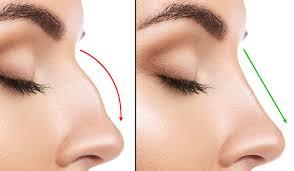
Rhinoplasty is a personalised surgical procedure that aims to improve the appearance and, when necessary, function of the nose. However, achieving a balanced nasal shape involves more than changing its size or modifying a particular feature. The nose should complement the patient's facial structure, including the forehead, cheeks, lips, chin, and overall facial proportions. This is why a detailed assessment is an important part of Rhinoplasty in Dubai planning.
Before considering nose reshaping surgery, patients often want to understand how specialists determine which changes may suit their facial features. Evaluating nasal proportions helps establish realistic expectations and supports an individualised treatment approach. In Dubai, patients considering rhinoplasty can benefit from understanding the factors involved in this assessment and how they influence surgical planning.
Why Are Nasal Proportions Important Before Rhinoplasty?
Nasal proportions play an important role in overall facial harmony. Even a small change in the nasal bridge, tip, or nostrils can influence how the nose looks in relation to other facial features.
For example, a nose that appears wide on one face may look naturally balanced on another because facial structures differ. Similarly, reducing the nasal bridge without considering the chin and forehead may create an appearance that does not complement the rest of the face.
A proportional assessment helps identify which features require attention while preserving the patient's natural appearance. Rather than following a standard nose shape, rhinoplasty planning should consider individual anatomy, facial characteristics, and personal preferences.
How Is Nasal Structure Evaluated?
A detailed evaluation begins with understanding the patient's existing nasal anatomy. Several structural features are considered before determining whether rhinoplasty may be appropriate.
1. Nasal Bridge Height and Width
The nasal bridge is one of the most noticeable parts of the nose. Its height, width, and contour influence the appearance of the entire nasal profile.
A specialist may assess whether the bridge appears prominent, flat, uneven, or wider than the surrounding facial features. The relationship between the bridge and the forehead is also considered.
These observations help establish whether modifying the bridge could create a more balanced appearance without making the nose look unnatural.
2. Nasal Tip Shape and Projection
The nasal tip contributes significantly to the overall appearance of the nose. Its shape, rotation, definition, and projection can affect facial balance.
Some individuals have a rounded or broad nasal tip, while others may have a tip that appears drooping or overly prominent. The specialist evaluates the underlying cartilage structure and surrounding soft tissue before considering possible adjustments.
Tip modifications require careful planning because excessive changes may affect both appearance and nasal function.
3. Nostril Width and Symmetry
Nostril shape and width are additional considerations during rhinoplasty assessment. Some patients notice uneven nostrils or feel that their nasal base appears wider than the rest of their nose.
The specialist examines the nostril openings, their positioning, and their relationship with the nasal tip and upper lip.
Any proposed changes should account for natural anatomical differences rather than attempting to create perfect symmetry, which is not always realistic.
How Does Facial Symmetry Influence Rhinoplasty Planning?
Facial symmetry is an important consideration when evaluating nasal proportions. However, most people naturally have minor differences between the left and right sides of their faces.
During an assessment, specialists may examine the nose from different angles, including the front, side, and base views. They consider how the nasal bridge, tip, and nostrils align with other facial structures.
The position of the chin, cheekbones, and forehead can also influence how the nose is perceived.
Understanding these relationships helps create a treatment plan that complements the patient's existing facial features instead of focusing on isolated changes.
Does Skin Thickness Affect Nasal Proportions?
Skin thickness can influence how rhinoplasty results appear after surgery. Patients with thicker nasal skin may have less visible definition around the nasal tip because the soft tissue can conceal some underlying structural details.
On the other hand, thinner skin may make small irregularities in the nasal framework more noticeable.
A specialist considers skin quality, thickness, elasticity, and underlying cartilage when evaluating the nose. These factors help determine what type of changes may be realistic and how clearly the final contours might become visible.
The Importance of Breathing and Internal Nasal Structure
Rhinoplasty is not exclusively about external appearance. Nasal function should also be considered during the evaluation process.
The internal nasal structure, including the septum and nasal passages, may influence breathing. Some patients experience nasal obstruction due to a deviated septum, structural narrowing, or previous injuries.
A functional assessment helps identify concerns that may require attention alongside cosmetic changes. Depending on the patient's needs, the treatment plan may involve functional rhinoplasty or a combination of procedures.
Maintaining or improving nasal function is an important consideration when planning any surgical modification.
How Are Patient Expectations Considered?
Every patient has different reasons for considering rhinoplasty. Some want to address a prominent nasal bridge, while others are concerned about tip definition, nostril width, or overall facial balance.
Understanding these preferences is an essential part of the consultation process.
Patients should communicate the features they would like to improve and discuss what they expect from surgery. Specialists can then explain which changes may be achievable based on the patient's anatomy.
It is equally important to understand that rhinoplasty cannot guarantee perfect symmetry or reproduce another person's nose. A realistic treatment plan focuses on improvements that are suitable for the individual's facial structure.
How Does Tajmeels Clinic Evaluate Nasal Proportions Before Rhinoplasty?
At tajmeels clinic dubai, rhinoplasty planning focuses on understanding individual facial characteristics and nasal structure before considering surgical changes. The evaluation process may involve reviewing nasal bridge proportions, tip definition, nostril shape, facial symmetry, skin characteristics, and breathing-related concerns.
Patient preferences and medical history are also important when discussing suitable treatment approaches. This personalised assessment helps establish realistic expectations and identify the considerations that may influence the procedure. Patients exploring rhinoplasty in Dubai should have an opportunity to discuss their concerns, understand potential limitations, and receive appropriate medical guidance before making a surgical decision.
What Should Patients Understand Before Rhinoplasty?
Before proceeding with nose reshaping surgery, patients should understand that the final appearance depends on several factors, including anatomy, healing, skin characteristics, and surgical technique.
Swelling is expected after rhinoplasty and may take several months to settle. Subtle changes, particularly around the nasal tip, can continue developing as healing progresses.
Patients should also follow postoperative instructions, attend recommended follow-up appointments, and discuss any unexpected symptoms with their medical team.
A qualified surgeon should explain the potential benefits, risks, limitations, and recovery expectations before obtaining informed consent.
Conclusion
Evaluating nasal proportions is an important step in planning rhinoplasty because the nose should complement the patient's natural facial structure. Factors such as bridge width, tip projection, nostril symmetry, skin thickness, and breathing function all contribute to an appropriate treatment plan.
A detailed consultation helps identify individual concerns, establish realistic expectations, and determine whether nose reshaping surgery is suitable. Understanding these considerations allows patients to make more informed decisions about rhinoplasty in Dubai.
More Information
Tajmeels Clinic Dubai
WhatsApp: +971 56 203 8751
Phone: tel:+971 43739000
Social Media:

 English
 Arabic
 French
 Spanish
 Portuguese
 Deutsch
 Dutch
 Italiano
 Russian
 Romaian
 Portuguese (Brazil)
 Greek
