


 About Urh Social
 Terms of Service
 Privacy Policy
 Contact
Residential Construction: Building a Safe and Comfortable Home
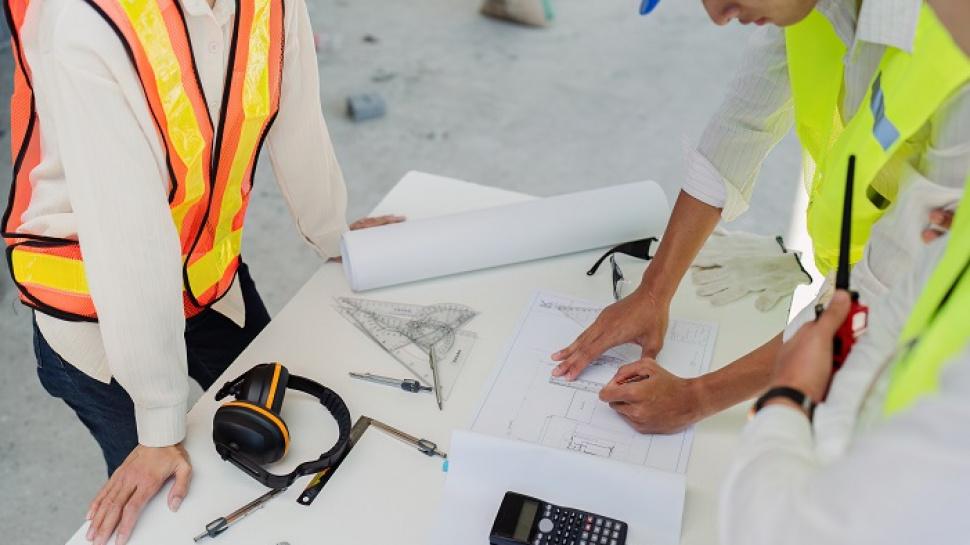
Building a home is an important investment that requires proper planning, suitable materials, and skilled workers. Whether you are constructing a new family house or developing a residential property for future use, every stage needs careful attention. Residential construction involves several activities, including preparing the land, creating building plans, installing the foundation, constructing walls, adding roofing, and completing interior finishes. Each step contributes to the strength, appearance, and functionality of the finished home. Understanding the construction process helps homeowners make better decisions and avoid unnecessary expenses. Working with suitable construction professionals also makes it easier to organize different tasks and keep the project moving according to the planned schedule.
Planning Your Residential Building Project
Proper planning is the first step toward completing a successful construction project. Before starting physical work, homeowners should decide on the house size, number of rooms, layout, architectural style, and essential features. They should also consider their family's current needs and possible future requirements. During residential construction, architectural and structural plans help determine how the building will be designed and constructed. Property owners should discuss their ideas with qualified professionals and review the drawings before approving them. It is also important to understand local building regulations, zoning requirements, and permit procedures. Good preparation can prevent design changes, construction confusion, and unexpected costs.
Creating a Realistic Construction Budget
Budgeting is an important part of any residential building project. Construction expenses may include land preparation, materials, labor, foundation work, roofing, plumbing, electrical installations, and interior finishes. Other costs may involve permits, transportation, equipment, and site preparation. Homeowners should request detailed estimates and compare different quotations before making a decision. Keeping additional money available for unexpected expenses is also a sensible approach. A clear budget helps property owners understand how much they can spend at each stage and reduces the possibility of financial difficulties during construction.
Selecting the Right Location and Preparing the Site
The location of a house can affect its comfort, accessibility, value, and maintenance requirements. Before beginning construction, property owners should consider road access, drainage, nearby facilities, soil conditions, and local building restrictions. A soil assessment may also be necessary to determine whether the ground is suitable for the planned structure. During residential construction in Las Vegas, site preparation can involve clearing vegetation, removing unsuitable materials, leveling the ground, and marking the building layout. Proper preparation creates a suitable working area for foundation installation. Planning water supply, electricity, and drainage connections early can also help prevent problems during later stages.
Building a Strong and Stable Foundation
The foundation is one of the most important parts of a residential building because it supports the structure and transfers its weight to the ground. Foundation design depends on soil conditions, building size, structural requirements, and engineering plans. The work may include excavation, reinforcement installation, formwork, and concrete placement. Accurate measurements and proper workmanship are essential during this stage. Poor foundation work can lead to cracks, uneven floors, and other structural problems over time. Qualified construction professionals should supervise the process and follow approved engineering specifications. Paying attention to foundation work helps create a stable base for the remaining building activities.
Framing, Roofing, and Exterior Construction
After completing the foundation, workers begin constructing the main structure of the house. This stage may include building walls, installing structural supports, creating floor systems, and preparing the roof. Depending on the design, materials can include concrete, steel, bricks, or wood. Roofing protects the building from rain, sunlight, and other weather conditions, while windows and exterior doors help provide security and ventilation. Proper insulation and exterior finishes can also improve indoor comfort. A well-organized residential construction project gives attention to these components because their installation affects the building's strength, appearance, and long-term performance.
Plumbing and Electrical Installation
Plumbing and electrical systems are essential for everyday household activities. Plumbing work includes water supply lines, drainage pipes, bathroom connections, and kitchen fixtures. Electrical installation involves wiring, outlets, switches, lighting points, and distribution panels. These systems should be planned before walls and ceilings are completely finished. Qualified professionals should complete the installations according to applicable building and safety requirements. Homeowners should also review the location of electrical outlets, lighting fixtures, and water connections before work begins. Proper installation can reduce the risk of leaks, electrical problems, and expensive repairs in the future.
Interior Finishing and Residential Improvements
Interior finishing gives a house its final appearance and makes it suitable for everyday living. Common finishing activities include plastering, painting, flooring, ceiling installation, kitchen cabinets, bathroom fixtures, and interior doors. Homeowners can choose materials and designs according to their preferences, lifestyle, and budget. During residential construction, it is important to select finishes that are appropriate for each room. For example, bathroom floors should provide suitable slip resistance, while kitchen surfaces should be easy to maintain. Proper finishing work improves the appearance of the property and makes different spaces more practical and comfortable.
Choosing the Right Residential Construction Contractor
Hiring a suitable contractor is an important decision that can influence the entire project. Property owners should review previous projects, ask for references, check relevant qualifications, and confirm that required licenses and insurance are in place where applicable. Before signing an agreement, request a written estimate covering the project scope, materials, labor, payment schedule, and expected completion date. Clear communication is equally important because changes and unexpected challenges may occur during construction. Regular progress updates help homeowners understand completed work and upcoming activities. Choosing a contractor who understands residential building requirements can make project management easier.
Final Checks and Maintaining Your New Home
Before moving into a newly built house, property owners should arrange appropriate final inspections and review the completed work. Important areas include roofing, drainage, electrical installations, plumbing connections, doors, windows, flooring, and visible structural components. Any unfinished work or defects should be discussed with the contractor before final handover. Proper residential construction also involves thinking about future maintenance. Homeowners should keep records of materials, installation details, warranties, and repairs. Regularly checking the roof, plumbing, drainage, and other building components can help identify maintenance needs early. Taking these steps helps protect the property and maintain a comfortable living environment for years to come.
Build a Home That Meets Your Needs
Creating a home requires more than selecting a design and purchasing building materials. It involves careful planning, budget management, skilled workmanship, and proper supervision throughout the project. From preparing the land to completing the interior, every stage plays an important role in the finished building. A well-managed residential construction project focuses on safety, functionality, and long-term maintenance rather than appearance alone. By working with qualified professionals and making informed decisions, homeowners can create a living space that suits their requirements and budget. Taking the time to plan each stage carefully can make the building process more organized and help protect your investment.

 Arabic
 French
 Spanish
 Portuguese
 Deutsch
 Turkish
 Dutch
 Italiano
 Russian
 Romaian
 Portuguese (Brazil)
 Greek
