


 About Urh Social
 Terms of Service
 Политика конфиденциальности
 Contact
What Are the Sanitation Protocols for Sterilizing Henna Applicator Tips, Tables, and Armrests?
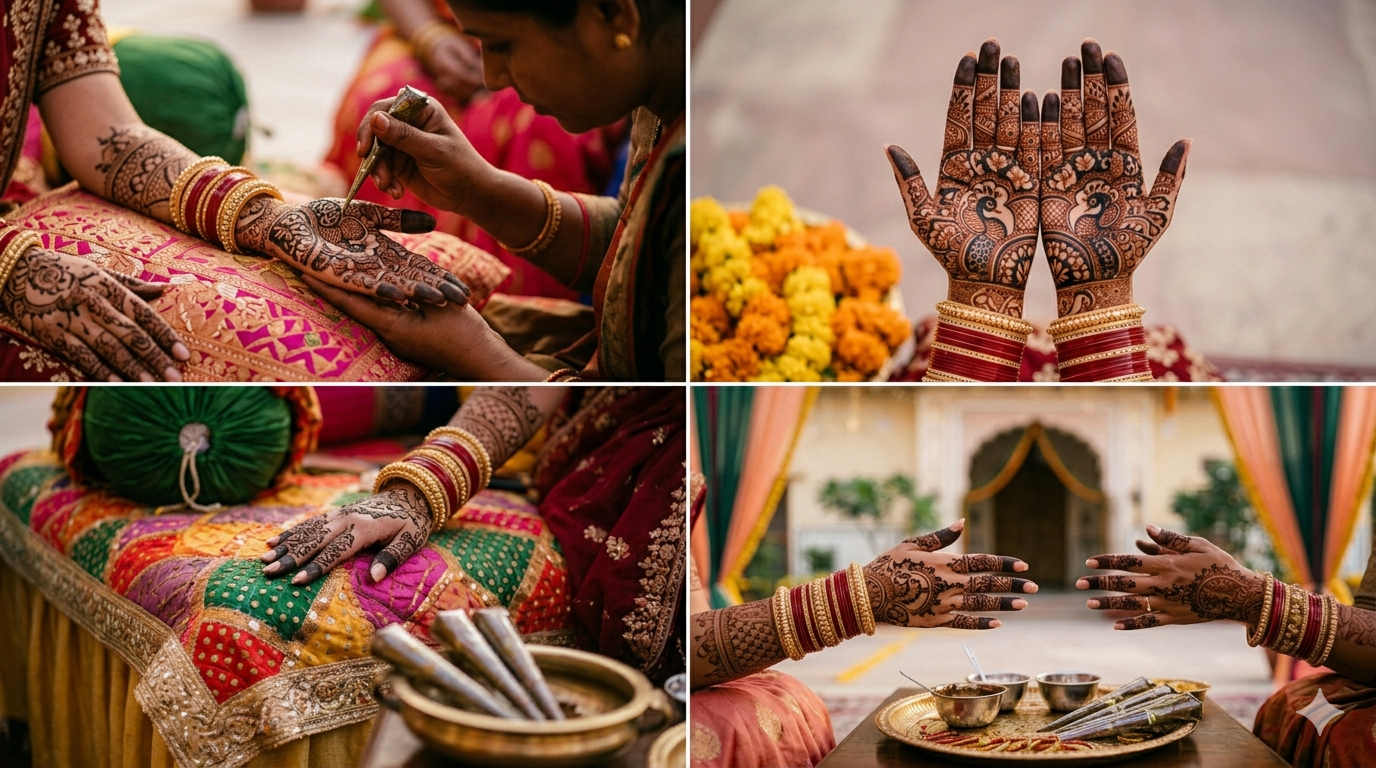
Henna body art is an ancient, beautiful practice that brings joy, celebration, and artistic expression to clients worldwide. However, because henna application involves direct, prolonged contact with human skin, professional artists must maintain strict sanitation standards. Ensuring your equipment—from applicator tips to workspace furniture—is thoroughly disinfected protects both your clients and your business from cross-contamination and infection.
Whether you operate out of a home studio, work at busy festivals, or provide bridal services on location, adopting clinical-level hygiene protocols elevates your professionalism. Below is a comprehensive guide to sanitizing and sterilizing henna applicator tips, tables, and armrests effectively.
The Critical Importance of Hygiene in Henna Artistry
Many people view henna as a harmless cosmetic service, but proper hygiene is just as essential in henna application as it is in esthetics or tattooing. During a session, client skin cells, body oils, sweat, and occasionally microscopic micro-abrasions interact with your equipment. If your workspace and applicator tools are not properly sanitized between sessions, harmful bacteria, fungi, and viruses can easily transfer from one person to another.
Developing a standard operating procedure for sanitation builds trust with your clientele. Clients notice when an artist cleans their station, uses fresh applicator tips, and presents a immaculate environment. Furthermore, completing formal training through a reputable henna course provides artists with essential knowledge regarding skin safety, ingredient integrity, and professional hygiene practices that set successful practitioners apart.
Sterilizing and Sanitizing Henna Applicator Tips
Applicator tips—whether metal pin tips, plastic nozzle cones, or syringe needles—are in closest proximity to the client's skin. Consequently, they require the most rigorous disinfection protocols.
Metal Applicator Tips
Metal tips are durable and reusable, making them an eco-friendly choice, but they demand high-level sterilization:
-
Mechanical Cleaning: Immediately after use, flush the metal tip with warm, soapy water to remove dried henna paste. Use a small pipe cleaner or fine wire to clear internal obstructions.
-
High-Level Disinfection / Sterilization: Submerge cleaned metal tips in an enzyme detergent solution, followed by an EPA-registered disinfectant or isopropyl alcohol (70% or higher) for a minimum of 10 to 20 minutes. For ultimate safety, metal tips can be autoclaved in standard pouch packaging.
-
Storage: Once completely dry, store sterilized tips in sealed, airtight containers until the next client.
Disposable Applicator Cones and Plastic Tips
If you use cellophane cones or plastic screw-on tips, strict single-use rules apply:
-
Never attempt to wash and reuse disposable plastic tips or pre-rolled cellophane cones on multiple clients.
-
Snipped metal nozzles on reusable bottles must undergo full chemical immersion between sessions, just like all-metal tips.
-
Always discard used disposable tips into a dedicated waste bin immediately after the session concludes.
Disinfecting Work Tables and Prep Surfaces
Your main work table hosts all your tools, sealant sprays, sealant bottles, and leftover paste. Because hands and tools touch this surface repeatedly throughout the day, it acts as a primary hub for cross-contamination.
To properly sanitize your work table, follow a two-step "Clean then Disinfect" protocol:
-
Surface Pre-Cleaning: Wipe down the table using a disposable paper towel and a mild detergent or multi-surface cleaner to remove visible paste residue, dust, and natural oils. Disinfectants cannot effectively penetrate physical dirt or dried henna paste.
-
Chemical Disinfection: Spray the clean surface thoroughly with a hospital-grade, EPA-registered surface disinfectant (such as accelerated hydrogen peroxide, quaternary ammonium compounds, or isopropyl alcohol sprays).
-
Observe Dwell Time: Allow the disinfectant solution to remain wet on the surface for the full manufacturer-recommended contact time—typically between 2 and 5 minutes—before wiping dry with a fresh micro-fiber cloth or disposable paper towel.
-
Barrier Protection: For high-volume environments like festivals or large bridal parties, place a disposable plastic drape or a non-porous barrier film across your main work area, replacing it between every client.
Decontaminating Armrests and Client Seating
Armrests and client chairs endure prolonged physical contact with your client’s bare skin. Heat and perspiration can transfer bacteria directly onto vinyl, leather, or plastic furniture surfaces during long bridal sessions.
Proper maintenance of client seating involves targeted care tailored to the material:
-
Non-Porous Vinyl and Leather Seating: Use non-bleach, alcohol-free disinfectant wipes designed specifically for upholstery. Bleach and high concentrations of alcohol can dry out, crack, or ruin synthetic leather over time. Cracks in upholstery create hidden harbors where bacteria thrive and resist surface wiping.
-
Porous Fabrics: Avoid using upholstered fabric chairs in your professional setup whenever possible. Fabric absorbs moisture, sweat, and henna drops, making true chemical disinfection nearly impossible. If fabric seating must be used, cover it completely with washable, heavy-duty protective covers or disposable barrier sheets.
-
Routine Maintenance Schedule: Wipe down armrests, chair backs, and seat cushions before each client sits down, and repeat the process immediately after they depart.
Establishing an Everyday Sanitation Workflow
Consistency is key to maintaining a safe henna studio. Integrating hygiene steps into your standard routine ensures nothing is overlooked during busy appointments.
A recommended daily workflow includes:
-
Pre-Client Setup: Sanitize all hard surfaces, lay out fresh disposable supplies, and wash your hands thoroughly with soap and warm water for at least 20 seconds.
-
Active Client Protocol: Avoid touching non-sanitized personal items (like mobile phones) during the application process. If contact occurs, sanitize your hands or replace your disposable gloves before touching the client or applicator tips again.
-
Post-Client Cleanup: Safely discard all single-use items, submerge reusable metal tips in cleaning solution, and wipe down the chair, table, and armrests with appropriate surface disinfectants.
-
End-of-Day Sanitation: Empty all waste receptacles, deep-clean reusable storage containers, and replenish barrier film and disinfectant supplies for the upcoming work day.
By committing to strict sterilization standards for your applicator tips, tables, and armrests, you guarantee a safe, comfortable, and highly professional experience for every client who sits in your chair.

 English
 Arabic
 French
 Spanish
 Portuguese
 Deutsch
 Turkish
 Dutch
 Italiano
 Romaian
 Portuguese (Brazil)
 Greek
