


 About Urh Social
 Terms of Service
 Privacy Policy
 Contact
Understanding How Glutathione Functions as a Natural Antioxidant
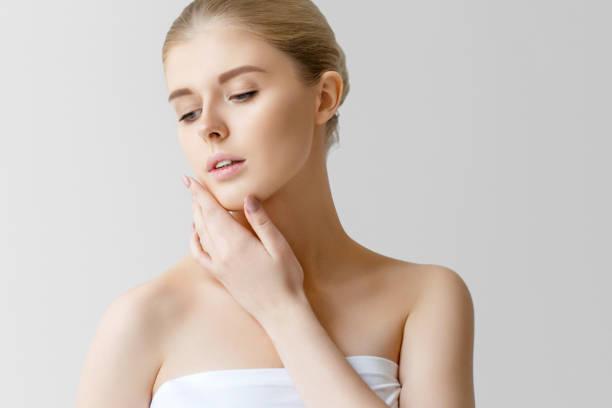
Glutathione is a naturally occurring antioxidant found in almost every cell of the human body. It is a small molecule made from three amino acids: glutamate, cysteine, and glycine. Its primary role is to help cells manage oxidative stress, which occurs when reactive molecules known as free radicals accumulate faster than the body's protective systems can control them. Understanding this process helps explain why Glutathione injections in Riyadh (حقن الجلوتاثيون في الرياض) have attracted attention among people exploring modern wellness and cosmetic treatments, although injectable products should not be confused with the body's natural antioxidant activity.
The body continuously produces and recycles glutathione to support normal cellular functions. Its availability can be influenced by nutrition, age, metabolic activity, environmental exposures, and general health. In the middle of these complex processes, Glutathione injections in Riyadh are sometimes discussed as an option for people interested in antioxidant support. However, the fact that glutathione has an important biological function does not automatically establish that injections provide additional benefits for healthy individuals or produce predictable cosmetic results.
How Glutathione Protects Cells From Oxidative Stress
Oxidative stress develops when reactive oxygen species and other oxidising molecules exceed the capacity of the body's antioxidant defences. These molecules are produced naturally during energy metabolism and can also increase in response to environmental factors such as pollution, ultraviolet radiation, and smoking. In controlled amounts, reactive molecules participate in normal biological signalling. Problems may arise when their production and removal become unbalanced.
Glutathione helps maintain this balance by interacting with reactive compounds and supporting enzymes that protect cells. One important enzyme is glutathione peroxidase, which uses glutathione to convert certain peroxides into less reactive substances. During this process, glutathione becomes oxidised and can later be recycled into its active form through other cellular systems. This recycling allows the body to maintain antioxidant activity rather than relying on a single supply of the molecule.
The Relationship Between Glutathione and Everyday Body Functions
Antioxidant activity is connected to several processes that help cells function normally. Glutathione contributes to the maintenance of proteins, membranes, and other cellular structures by helping regulate the chemical environment inside cells. It also participates in certain metabolic pathways and supports the processing of selected compounds.
The body's antioxidant network includes several interacting nutrients, enzymes, and protective molecules. Glutathione works alongside systems involving vitamins C and E, antioxidant enzymes, and other cellular mechanisms. These systems are interconnected, meaning that overall antioxidant balance depends on more than one substance. Healthy eating, adequate sleep, physical activity, and avoiding tobacco exposure can support general health, although no lifestyle measure guarantees a particular glutathione level.
Glutathione and Its Connection to Skin Health
Oxidative stress is one factor involved in skin ageing and the effects of ultraviolet exposure. Sunlight can generate reactive molecules that contribute to changes in skin structure, pigmentation, and the appearance of fine lines over time. Because glutathione participates in antioxidant defence, researchers have explored its possible relationship with skin health and pigmentation.
However, the body's natural use of glutathione should be distinguished from claims made about cosmetic treatments. Some studies have investigated whether glutathione may influence melanin production, but clinical evidence for injectable glutathione as a skin-lightening or complexion treatment remains limited and inconsistent. It has not been established as a reliable way to achieve a specific skin tone, remove pigmentation, or reverse visible ageing. Daily sun protection and an appropriate skincare routine remain important foundations of skin health.
Understanding Injectable Glutathione
Injectable glutathione is a medical product administered through an injection rather than produced naturally within the body's cells. It is sometimes promoted for antioxidant or cosmetic purposes, but evidence supporting these uses is not sufficiently strong to establish consistent benefits. Findings from laboratory research cannot automatically demonstrate that an injection will produce the same effects in people.
Anyone considering Glutathione injections in Riyadh should understand that the treatment's effectiveness depends on the intended purpose, individual circumstances, and quality of available clinical evidence. The long-term safety of repeated cosmetic use has not been adequately established. Possible concerns include discomfort or reactions at the injection site, allergic reactions, and complications associated with contaminated products, unsuitable preparation, or improper administration.
Factors That Support Natural Antioxidant Function
The body relies on a combination of nutrients and healthy habits to maintain its antioxidant systems. Protein-containing foods provide amino acids used in glutathione production, while vegetables and fruits supply vitamins and other compounds involved in normal metabolic processes. A varied diet is generally a more useful foundation than relying on a single antioxidant product.
Lifestyle factors also matter. Avoiding smoking, limiting excessive ultraviolet exposure, maintaining regular physical activity, and getting sufficient sleep can contribute to overall wellbeing. These habits support general cellular health, but they should not be presented as methods that guarantee increased glutathione levels or prevent specific diseases.
Is Glutathione Treatment Suitable for Everyone?
A treatment that attracts interest online may not be appropriate for every person. Suitability depends on medical history, current medications, allergies, treatment goals, and the reason someone is considering an injectable product. A qualified healthcare professional can discuss the available evidence, explain possible risks, and help determine whether another approach is more appropriate.
People seeking help with uneven pigmentation, dullness, or other skin concerns may benefit from an assessment that identifies the underlying cause. Different concerns can require different approaches, and an antioxidant injection should not replace a diagnosis or an established treatment plan.
Book a Consultation at Royal Clinic Saudi
Individuals interested in learning more about antioxidant-related treatments can arrange a consultation with Royal Clinic Saudi (عيادات رويال كلينك). A qualified professional can review their concerns, discuss the available scientific evidence, and explain potential benefits and limitations before any treatment decision is made. An informed consultation helps establish realistic expectations and supports a considered approach to personal care.
FAQs:
1. What is glutathione's main function in the body?
Glutathione helps protect cells from oxidative stress and supports several normal metabolic processes.
2. Does the body produce glutathione naturally?
Yes. The body makes glutathione from three amino acids and maintains it through ongoing cellular processes.
3. Are glutathione injections proven to improve skin tone?
Current clinical evidence is limited and inconsistent, so predictable skin-lightening results have not been established.
4. Are injectable glutathione treatments suitable for everyone?
No. Suitability depends on individual health factors and should be discussed with a qualified healthcare professional.

 Arabic
 French
 Spanish
 Portuguese
 Deutsch
 Turkish
 Dutch
 Italiano
 Russian
 Romaian
 Portuguese (Brazil)
 Greek
