


 About Urh Social
 Terms of Service
 Политика конфиденциальности
 Contact
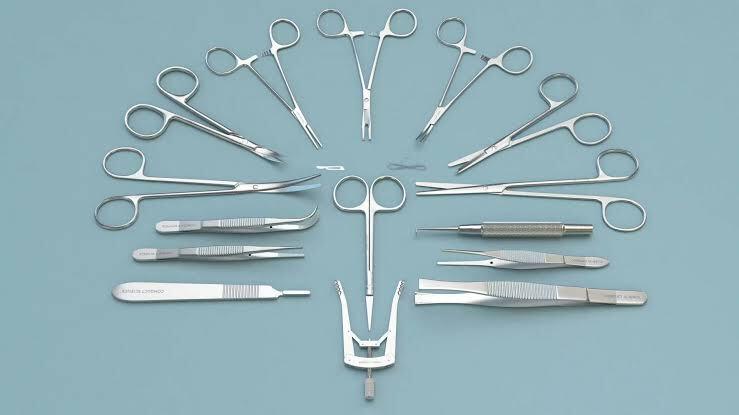
Surgical and medical instruments are not ordinary purchases. A poorly made forceps or scissors can affect procedure outcomes, wear out quickly, or fail sterilisation. For clinics, hospitals, and medical students in the region, finding dependable surgical instrument shops in gujranwala is therefore about quality and consistency rather than price alone.
Material Quality Comes First
Most reusable surgical instruments are made from stainless steel, but the grade varies considerably. Higher-grade steel resists corrosion, holds a sharp edge longer, and withstands repeated sterilisation cycles. Lower-grade instruments may look similar at first but can pit, rust, or lose alignment after a few months of use.
Buyers should ask about the steel grade and whether the instruments are intended for clinical use or training purposes. Both have their place, but they are not interchangeable.
Finish and Workmanship
A well-made instrument has a clean, even finish with no rough edges or visible joints where debris could collect. Hinges should move smoothly without stiffness, and jaws should align precisely. Ratchets should engage securely and release cleanly.
Small details reveal a lot:
-
Smooth, burr-free edges
-
Consistent alignment of jaws and tips
-
Firm, even locking of ratchets
-
No wobble at the box lock
-
Clean, uniform finish across the surface
Verifying Authenticity and Source
The market includes both locally manufactured instruments and imported brands, along with varying levels of quality within each category. Buyers should confirm the manufacturer or supplier, ask for catalogue specifications, and check whether the shop can provide consistent repeat stock of the same item.
For institutions purchasing in quantity, establishing a relationship with a supplier who maintains consistent quality is more practical than buying from different shops each time.
What Reputable Shops Usually Offer
-
A defined product range with clear specifications
-
Willingness to show instruments before purchase
-
Advice on the appropriate grade for the intended use
-
Replacements or resolution for defective items
-
Consistent stock for repeat orders
Shops that allow inspection and answer technical questions are generally more reliable than those selling sealed packets without discussion.
Sterilisation and Maintenance Considerations
Reusable instruments need proper cleaning, drying, and sterilisation to remain functional. Buyers should confirm that the instruments are compatible with their sterilisation method, and staff should be trained to handle them correctly. Proper maintenance extends instrument life considerably.
For Students and Training Institutions
Training settings often need large quantities of instruments at reasonable cost, with slightly less stringent requirements than clinical environments. Even so, basic quality checks still apply — poorly made practice instruments can teach incorrect technique and wear out quickly.
Final Thoughts
Choosing surgical instruments is a decision that affects safety, cost over time, and clinical reliability. Buyers who check material, finish, and supplier consistency rather than comparing prices alone tend to make better long-term purchases. Readers who enjoy connecting with others and sharing updates online can also explore Urh Social.

 English
 Arabic
 French
 Spanish
 Portuguese
 Deutsch
 Turkish
 Dutch
Dutch
 Italiano
 Romaian
 Portuguese (Brazil)
 Greek
Greek
