


 About Urh Social
 Terms of Service
 Privacy Policy
 Contact
How Can Manufacturers Avoid Costly Mistakes When Buying Machinery?
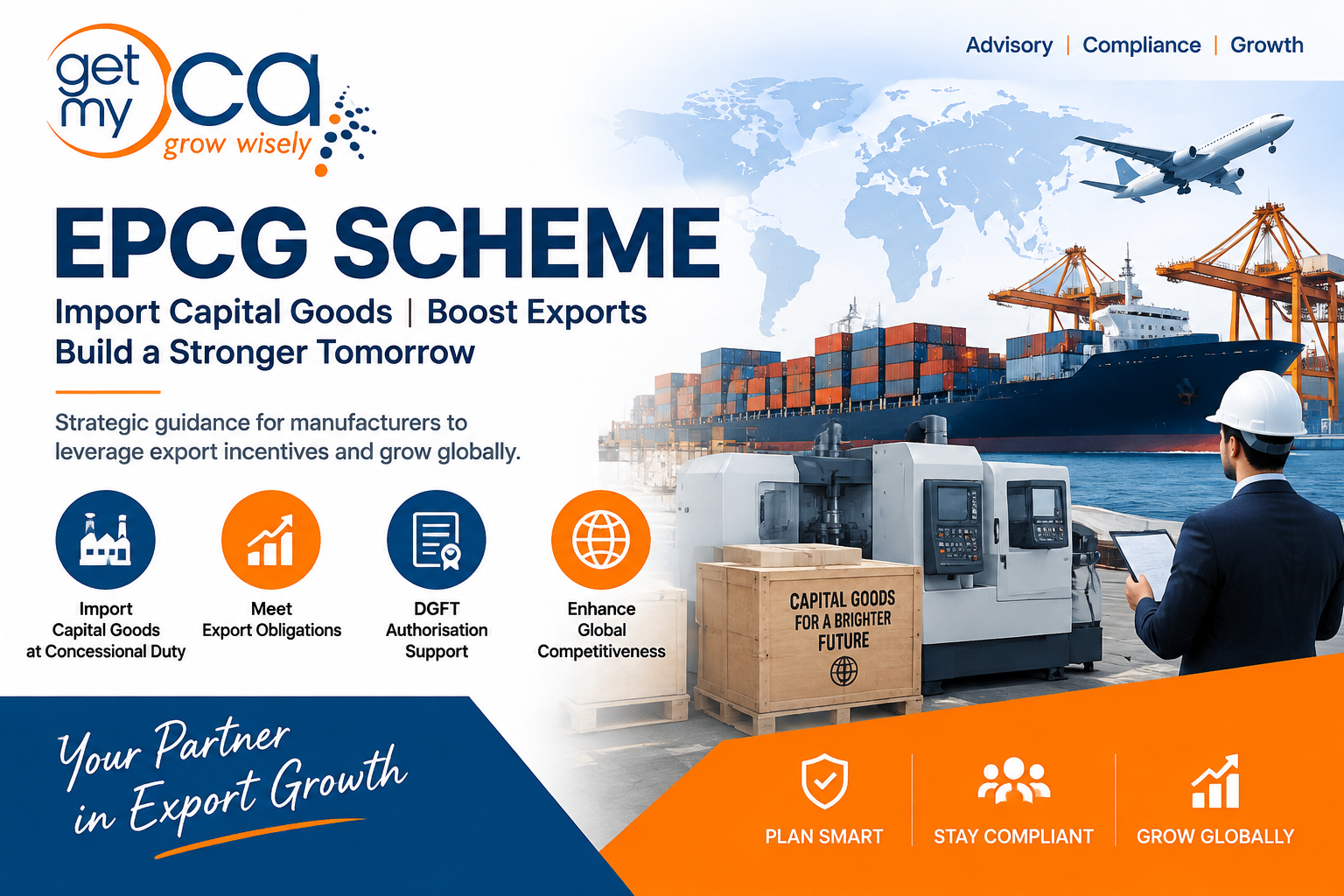
Purchasing industrial machinery is a major investment for manufacturers. While new equipment can improve production capacity, choosing the wrong technology may increase electricity bills, maintenance expenses and financial pressure.
Before investing, businesses should compare equipment performance, long-term operating costs and applicable government schemes.
Why Is Machinery Cost Planning Important?
The actual cost of industrial equipment goes beyond its purchase price.
Manufacturers should evaluate:
-
Installation and transportation expenses
-
Electricity and fuel consumption
-
Maintenance and spare parts
-
Loan interest and repayment costs
-
Expected production capacity
-
Export-related commitments
Understanding these expenses helps businesses avoid unnecessary investment.
Can MSMEs Reduce Energy-Related Machinery Costs?
Older equipment often consumes more energy than modern alternatives.
India's ADEETIE Scheme supports eligible MSMEs adopting energy-efficient technologies.
Under the scheme, micro and small enterprises may receive 5% interest subvention, while medium enterprises may receive 3% on qualifying loans.
Businesses exploring industrial energy audit financing should check their Udyam registration, eligible industrial cluster and the requirement to achieve at least 10% energy savings.
An energy audit helps identify suitable equipment improvements before investment.
What Should Exporters Know About EPCG?
Exporters importing manufacturing equipment may face substantial customs expenses.
The Export Promotion Capital Goods (EPCG) Scheme allows eligible exporters to import specified capital goods at zero customs duty.
However, the standard scheme generally requires a specific export obligation equal to six times the applicable duty saved within six years.
Manufacturers researching EPCG capital goods compliance should review their export capacity, authorisation conditions and documentation requirements before importing machinery.
Frequently Asked Questions
Is every MSME eligible for ADEETIE?
No. Eligibility depends on the prescribed industrial sectors, clusters, financing conditions and energy-saving requirements.
Does EPCG eliminate machinery purchase costs?
No. EPCG provides specified customs-duty benefits. Manufacturers still bear equipment costs and applicable compliance responsibilities.
Why should businesses compare machinery operating costs?
Operating costs affect long-term profitability. Equipment with lower energy consumption and maintenance requirements may offer better overall value.
Conclusion
Machinery investment requires careful technical and financial planning.
Manufacturers should assess equipment performance, financing options and regulatory obligations before purchasing new machines. This approach can improve investment decisions and reduce avoidable expenses.

 Arabic
 French
 Spanish
 Portuguese
 Deutsch
 Turkish
 Dutch
Dutch
 Italiano
 Russian
 Romaian
 Portuguese (Brazil)
 Greek
Greek
